Why India Rejected a Patent Application for Shorter Drug-Resistant TB Treatment
· GlobeWire Daily Science Desk · Source: www.thehindu.com
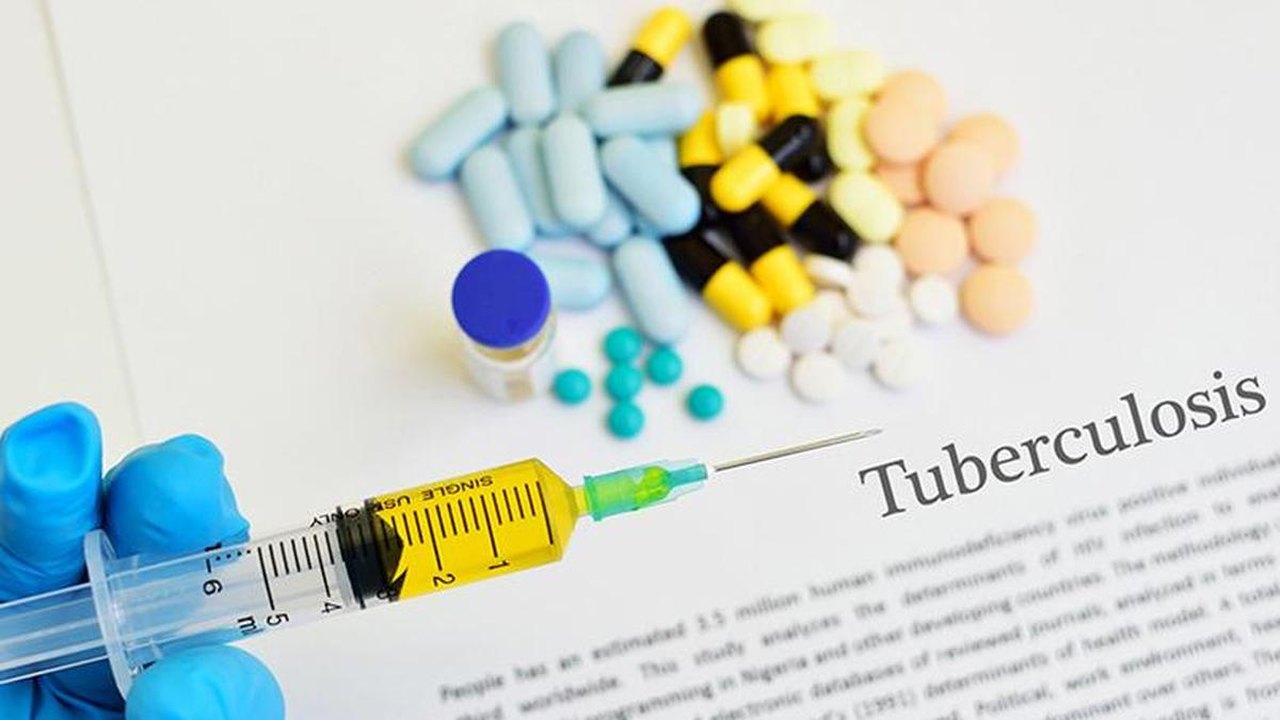
Image: www.thehindu.com · Photo source · Resized and letterboxed to 16:9; no AI generation
The Indian Patent Office has rejected a patent application filed by the U.S.-based Global Alliance for TB Drug Development (TB Alliance) for BPaL, a combination of bedaquiline, pretomanid, and linezolid. This reported decision follows pre-grant oppositions filed in 2020 by civil society groups and health advocates. While reported claims suggest the decision could facilitate generic competition, actual outcomes will depend on market dynamics, regulatory approvals, and public health procurement strategies.
Background of the Patent Rejection
- The Applicant: U.S.-based TB Alliance sought patent protection for the BPaL combination.
- The Opponents: Groups including Eldred Tellis, Ganesh Acharya, the Delhi Network of Positive People (DNP+), supported by organizations like Lawyers’ Collective, Médecins Sans Frontières Access Campaign, and Third World Network (TWN).
- Grounds for Rejection: The Indian Patent Office upheld arguments that the combination lacked an inventive step under sections 3(d), 3(e), and 3(i) of India's Patents Act, noting that earlier clinical research had already disclosed the regimen.
Medical Context and Public Health Impact
- Shorter Regimen: BPaL offers a six-month, all-oral treatment recommended by the WHO for eligible patients with certain drug-resistant forms of tuberculosis, compared to older regimens lasting 18–24 months.
- India's TB Burden: According to WHO's Global Tuberculosis Report 2025, India recorded an estimated 2.71 million TB cases in 2024, representing about 25% of the global total.
- National Programme: India's National TB Elimination Programme (NTEP) provides free diagnosis and treatment through public health services and approved the BPaLM regimen (adding moxifloxacin) in 2024.
Practical Implications and Verification
- Generic Competition: Civil society groups argue that removing patent barriers can encourage generic manufacturers to supply the combination, potentially influencing pricing.
- Verification: Interested parties can review official filings through the Indian Patent Office portal and consult WHO guidelines regarding multidrug-resistant tuberculosis treatment protocols.
AI-assisted reporting; source claims are attributed and have not been independently verified.
More to read
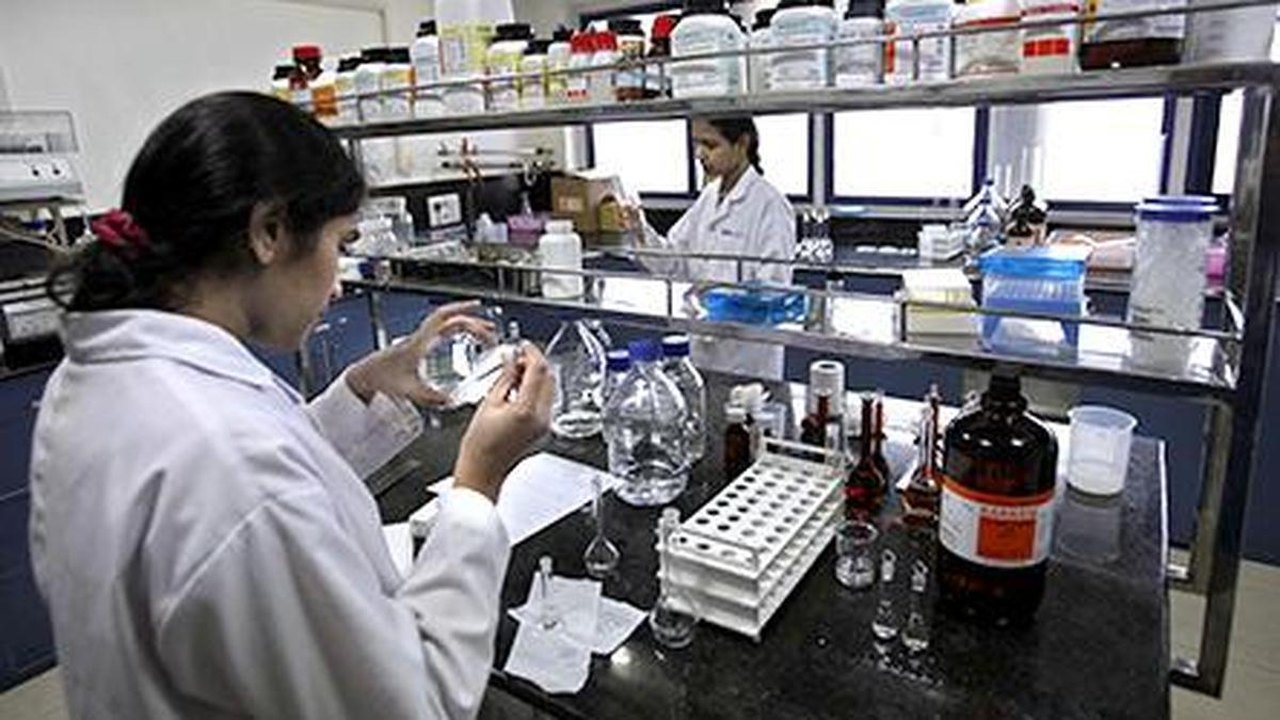 Indian Patent Office Rejects Patent Application for BPaL Drug-Resistant TB Treatment Regimen
 Vinfast VF5 Electric SUV to Launch in India – Design Patent Filed, Battery Options and Pricing Revealed
 LinkedIn Job Listings in India: Overview of Recent Roles and Application Channels
 Airports Authority of India Extends Application Deadline for 18 Consultant Posts in Southern Region
Trending on GlobeWire Daily
Selected from recent coverage and related topics; not live search rankings.
 Madhya Pradesh Government Plans Revenue Generation from 117-Year-Old Edward Villa in Mumbai Through Leasing
 iPhone 18 Pro Named TechRadar Product of the Year 2026
 Google Project Suncatcher Runs Gemma 4 AI on Orbiting Satellite and Receives First Response
 Gender Disparities in Eye Care Access Across India Examined
 Satellite Images Show Cyclone Arnab Weakening Over India As New System Brews
 Expanding Green and Blue Spaces Crucial for India's Economic and Public Health, Reports Indicate