Anatomy of a Stampede: How Rumours and Overcrowding Lead to Mass Tragedies
· GlobeWire Daily Editorial Desk · Source: timesofindia.indiatimes.com
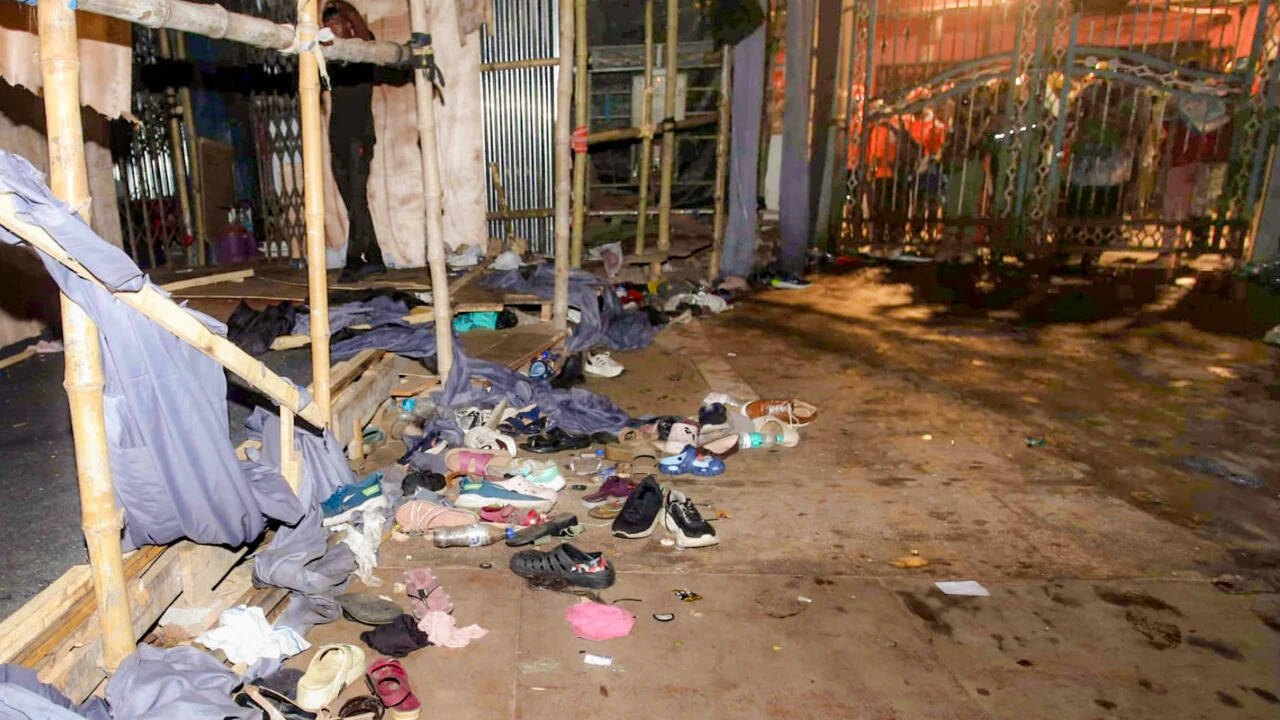
Image: The Times of India · Photo source · Resized and letterboxed to 16:9; no AI generation
Reported / unconfirmed — see source and confirmation status.
Mass gatherings in festival-heavy regions can quickly turn chaotic when overcrowding, narrow exits, and sudden rumors combine. Following a deadly incident in Kolkata on October 17 during Durga Puja, experts and official guidelines continue to highlight the underlying factors that transform routine celebrations into critical emergencies.
The Kolkata Incident and Contributing Factors
On the night of Maha Saptami, visitors gathered in large numbers at the Chorbagan Sarbojanin pandal. According to police and investigative reports, several elements contributed to the resulting crowd crush:
- A sudden spell of rain drove outside crowds to seek shelter inside, while visitors near the exit stopped moving.
- A misleading announcement over the public address system warned that the pandal was about to collapse, compounding the panic.
- Investigators noted narrow entry and exit points, inadequate crowd management, and heavy congestion.
Police reported that the crowd crush lasted approximately three minutes, resulting in 19 fatalities and at least 25 injuries.
Understanding the Mechanics of Crowd Disasters
According to a 2014 report by the National Disaster Management Authority (NDMA) titled *Managing Crowd at Events and Venues of Mass Gathering*, crowd disasters stem from structural problems, environmental factors, and behavioral dynamics. The NDMA utilizes the "FIST" model—standing for Force, Information, Space, and Time—to analyze crowd disasters:
- Force: The physical pressure exerted when too many individuals pack into a limited space, causing compressive asphyxia, which historical data identifies as the primary cause of death rather than literal trampling.
- Information: Misleading announcements or unverified rumors that trigger sudden panic and mass movement.
- Physical Space: Narrow exits, weak temporary structures, poor lighting, and blocked pathways.
- Time Duration: The rapid progression of an incident where individuals lose control of their movement.
Police Response and Crowd Psychology
Former Bihar Director General of Police Abhayanand, drawing on his experience managing large gatherings such as the 2012 funeral procession of Brahmeshwar Mukhiya in Patna, noted that law enforcement should avoid using force during panicked situations. Lathi charges can inadvertently provoke restless crowds or drive people toward confined spaces.
Instead, authorities emphasize input control, staggered entry, clear communication, and identifying miscreants without escalating public panic. Understanding crowd psychology helps agencies implement community-based management rather than relying solely on coercive force.
AI-assisted reporting; source claims are attributed and have not been independently verified.
More to read
 PM Modi Accuses Opposition of Spreading Rumours About Fertiliser and LPG Shortages Amid Gulf Tensions
 Forest Research Institute Develops New Technique for Mass Neem Propagation
 Amit Shah to Lead BJP Strategy Meeting in Lucknow Ahead of UP Polls
 Rashtriya Ekta Diwas 2026: Run for Unity Held Nationwide; PM Modi to Lead Parade in Kevadia
Trending on GlobeWire Daily
Selected from recent coverage and related topics; not live search rankings.
 Madhya Pradesh Government Plans Revenue Generation from 117-Year-Old Edward Villa in Mumbai Through Leasing
 iPhone 18 Pro Named TechRadar Product of the Year 2026
 Google Project Suncatcher Runs Gemma 4 AI on Orbiting Satellite and Receives First Response
 Gender Disparities in Eye Care Access Across India Examined
 Satellite Images Show Cyclone Arnab Weakening Over India As New System Brews
 Expanding Green and Blue Spaces Crucial for India's Economic and Public Health, Reports Indicate