Brahmaputra-Kaveri Link: Understanding India's River-Interlinking Vision and Challenges
· GlobeWire Daily Editorial Desk · Source: timesofindia.indiatimes.com
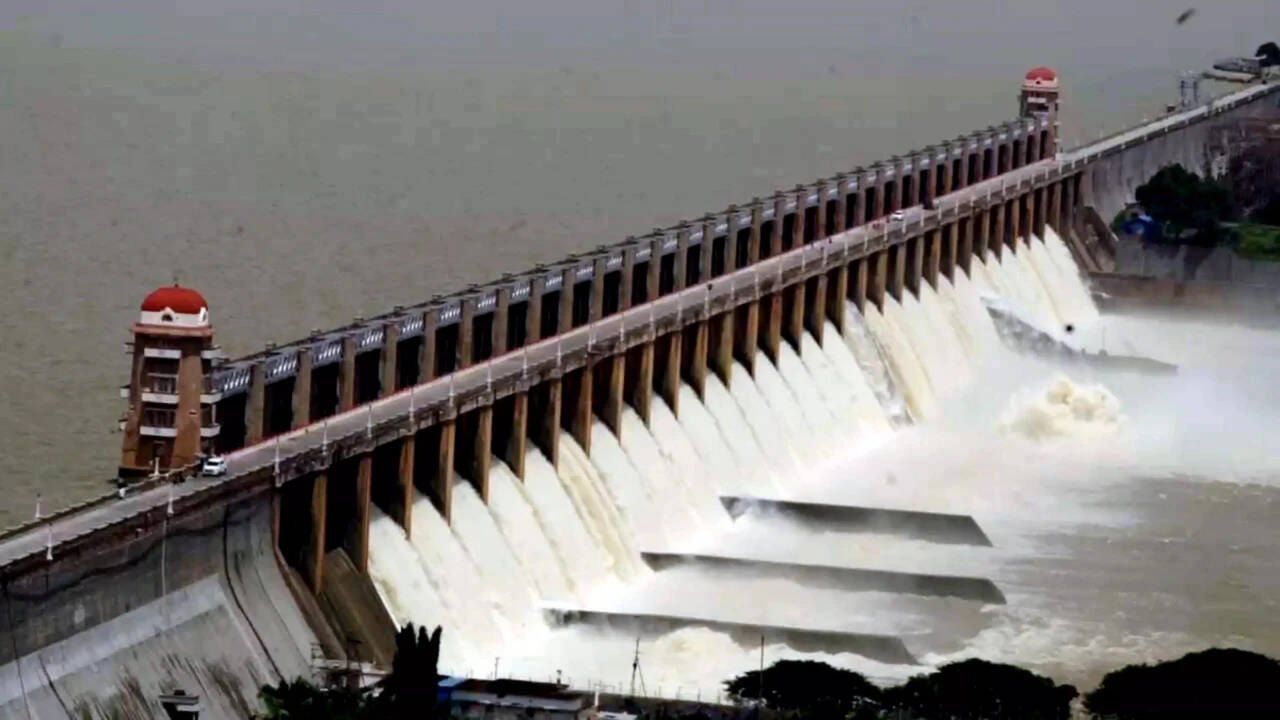
Image: The Times of India · Photo source · Resized and letterboxed to 16:9; no AI generation
The Vision of River Interlinking
India’s ambitious concept of a national water grid involves connecting river basins to redirect water from surplus regions to those facing shortages. The proposal, which aims to link the Brahmaputra in the northeast to the Kaveri in the south through a series of engineered canals, seeks to address the regional imbalances caused by erratic rainfall and flooding.
Official Stance and Political Momentum
In August 2026, Union Home Minister Amit Shah proposed this network at the 31st Southern Zonal Council meeting in Mamallapuram. He suggested that such a system could mitigate water scarcity for the next century, provided states resolve sharing disputes through dialogue. This vision is part of the National Perspective Plan (NPP), first formulated in 1980.
Implementation Reality
It is important to note that the Brahmaputra-to-Kaveri connection is not a single project that has received final approval or is ready for construction. Key points include:
- Progress: As of February 2026, feasibility reports were completed for 26 of 30 proposed links, with detailed project reports finalized for 13.
- Current Status: The Ken-Betwa Link is the only priority project under the NPP currently in the implementation stage.
- Regional Focus: Recent discussions have shifted toward smaller, localized links like the Godavari-Kaveri proposal, which has seen active consultation between Andhra Pradesh and Tamil Nadu.
Key Roadblocks
Critics, including former water resources secretary Ramaswamy R. Iyer, have questioned the feasibility of the grand scheme, citing potential environmental damage, high costs, and displacement. Major challenges include:
- Water Availability: Determining surplus water without harming source basins is complex.
- Interstate Cooperation: Disagreements over allocation and costs remain significant hurdles.
- Transboundary Concerns: The Brahmaputra basin's status involves international dimensions with China and Bangladesh.
- Technical Complexity: Engineering a continuous network across vast, varying terrains requires massive investment and ongoing energy for pumping.
Experts suggest that India might prioritize smaller, viable projects alongside water conservation measures—such as groundwater recharge and lake restoration—rather than attempting a single, massive trans-continental link.
AI-assisted reporting; source claims are attributed and have not been independently verified.
More to read
 World Bank Report Highlights India's Remarkable Poverty Reduction, Notes Challenges in Youth Unemployment and Wage Disparities
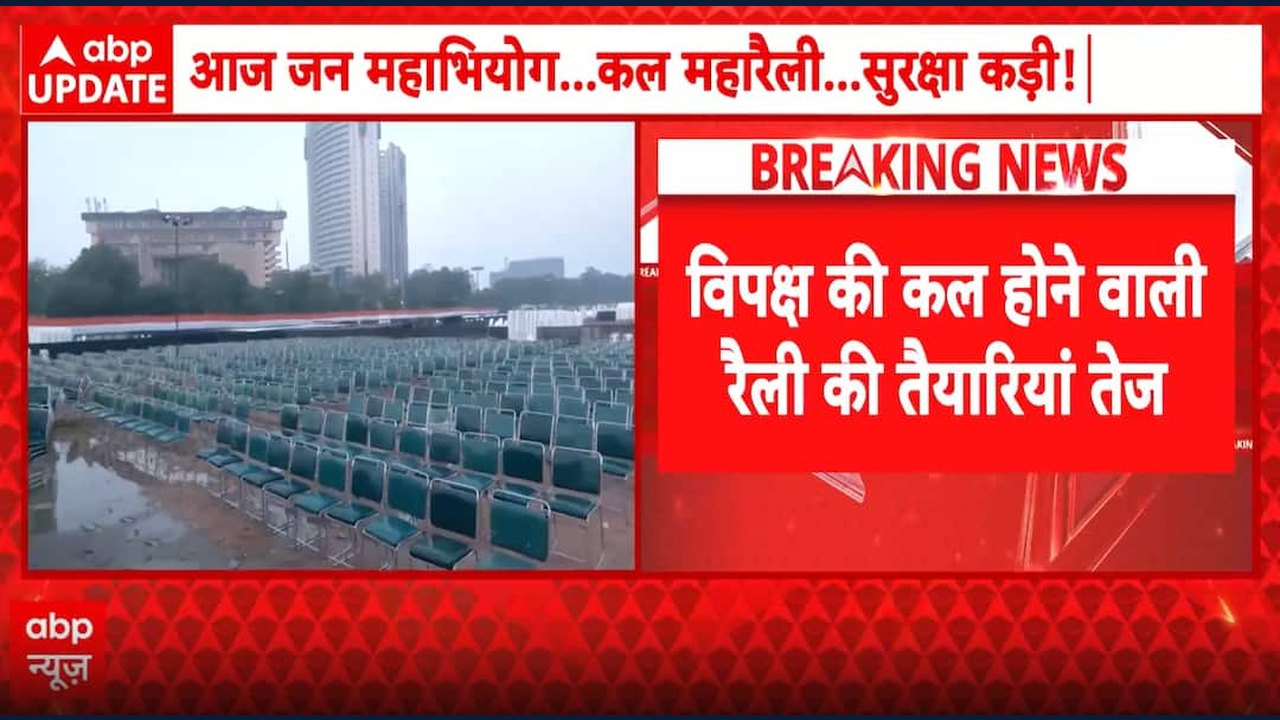 INDIA Bloc Readies Ramlila Maidan for November 1 Rally Amid Weather Challenges
 BJP Mocks INDIA Bloc Over CEC 'Public Impeachment', Challenges Opposition to Parliament Debate
 From Shantiniketan to Oxford: Understanding the Educational Journey of India's First Female Prime Minister
Trending on GlobeWire Daily
Selected from recent coverage and related topics; not live search rankings.
 Madhya Pradesh Government Plans Revenue Generation from 117-Year-Old Edward Villa in Mumbai Through Leasing
 iPhone 18 Pro Named TechRadar Product of the Year 2026
 Google Project Suncatcher Runs Gemma 4 AI on Orbiting Satellite and Receives First Response
 Gender Disparities in Eye Care Access Across India Examined
 Satellite Images Show Cyclone Arnab Weakening Over India As New System Brews
 Expanding Green and Blue Spaces Crucial for India's Economic and Public Health, Reports Indicate