Madras High Court Rules Abusive and Caste-Based Attacks on Judges Are Not Free Speech
· GlobeWire Daily Editorial Desk · Source: timesofindia.indiatimes.com
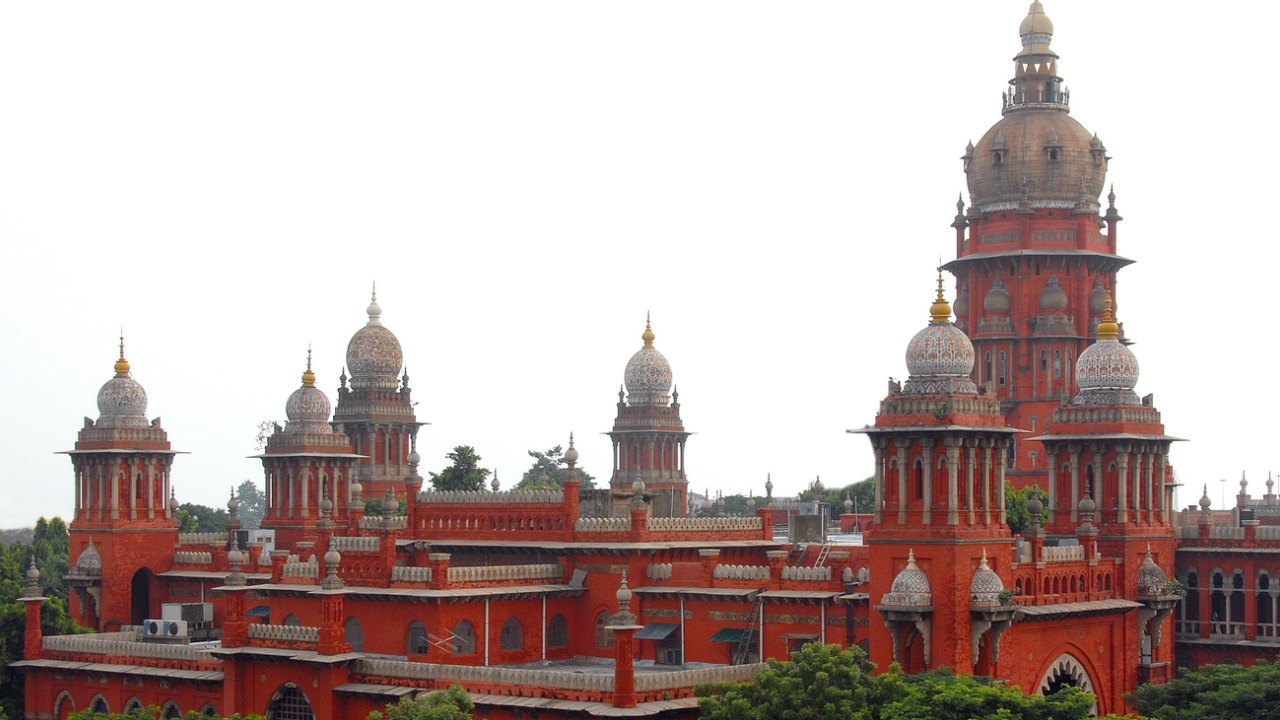
Image: The Times of India · Photo source · Resized and letterboxed to 16:9; no AI generation
Madras high court stated that coordinated actions involving abusive, defamatory, or caste-based language directed at a sitting judge do not constitute protected free speech, drawing a clear distinction between legal criticism and personal attacks.
According to the report published by The Times of India, the first bench comprising Chief Justice Sushrut Arvind Dharmadhikari and Justice G Arul Murugan issued the directions on Friday. The court acted upon a Public Interest Litigation (PIL) filed by R Karthikeyan, which sought action against organizations including Tamil Nadu Thowheed Jamaath (TNTJ) and Tamil Nadu Muslim Munnetra Kazhagam (TMMK) over demonstrations concerning judicial proceedings and personal targeting of constitutional courts and sitting judges.
Court Directives and Police Action
- Public Gatherings: The state police were directed not to grant permission for public gatherings or marches aimed at personally targeting, defaming, or intimidating a sitting judge.
- Event Termination: The bench stated that if a permitted assembly turns into a personal attack, concerned officers must end the event immediately and initiate legal action.
- Democratic Expression: While clarifying that a blanket ban on all public discussions or peaceful gatherings regarding court rulings would infringe upon legitimate democratic expression, the court emphasized the state's obligation to protect judicial institutions.
- Cybercrime Monitoring: The cybercrime division of the Tamil Nadu police has been instructed to maintain active surveillance over digital platforms to prevent criminal intimidation against sitting judges and take swift legal action against violations.
Background of the Dispute
The dispute reportedly traces back to a judgment delivered on June 25 by a Madurai bench of the high court. That judgment declared as unconstitutional a 2024 Government Order (GO) passed by the Tamil Nadu government, which had allowed individuals who converted to Islam from Backward Classes (BC), Most Backward Classes (MBC), Denotified Communities, or Scheduled Castes to claim the state's 3.5% reservation for Backward Class (Muslim) communities.
Following that ruling, petitioner R Karthikeyan stated that several Muslim organizations launched public protests across the state, which allegedly escalated beyond normal public criticism into personalized, hostile, and defamatory campaigns directed at a sitting member of the division bench.
Practical Implications and Verification
Readers seeking to verify the original announcement can consult official Madras High Court case listings and certified copies of the PIL judgment dated Friday. Practical implications include stricter police scrutiny of public protest permissions and enhanced monitoring of online commentary pertaining to judicial proceedings in Tamil Nadu.
AI-assisted reporting; source claims are attributed and have not been independently verified.
More to read
 Madras High Court Upholds OCI Card Cancellation Over Missionary Activities
 Madras High Court Issues Notice on Plea Seeking Probe Into Saurav Das
 Hungry Customers Won’t Distinguish Between ‘Sangeetha’ and ‘Sangetha’: Madras High Court
 Bombay High Court Rules Activist Arun Ferreira's 2011 Arrest Illegal, Orders Rs 2 Lakh Compensation
Trending on GlobeWire Daily
Selected from recent coverage and related topics; not live search rankings.
 Madhya Pradesh Government Plans Revenue Generation from 117-Year-Old Edward Villa in Mumbai Through Leasing
 iPhone 18 Pro Named TechRadar Product of the Year 2026
 Google Project Suncatcher Runs Gemma 4 AI on Orbiting Satellite and Receives First Response
 Gender Disparities in Eye Care Access Across India Examined
 Satellite Images Show Cyclone Arnab Weakening Over India As New System Brews
 Expanding Green and Blue Spaces Crucial for India's Economic and Public Health, Reports Indicate