Baby Pacifier Safety: Understanding Benefits, Risks, and Safe Usage Guidelines
· GlobeWire Daily Lifestyle Desk · Source: www.bhaskar.com
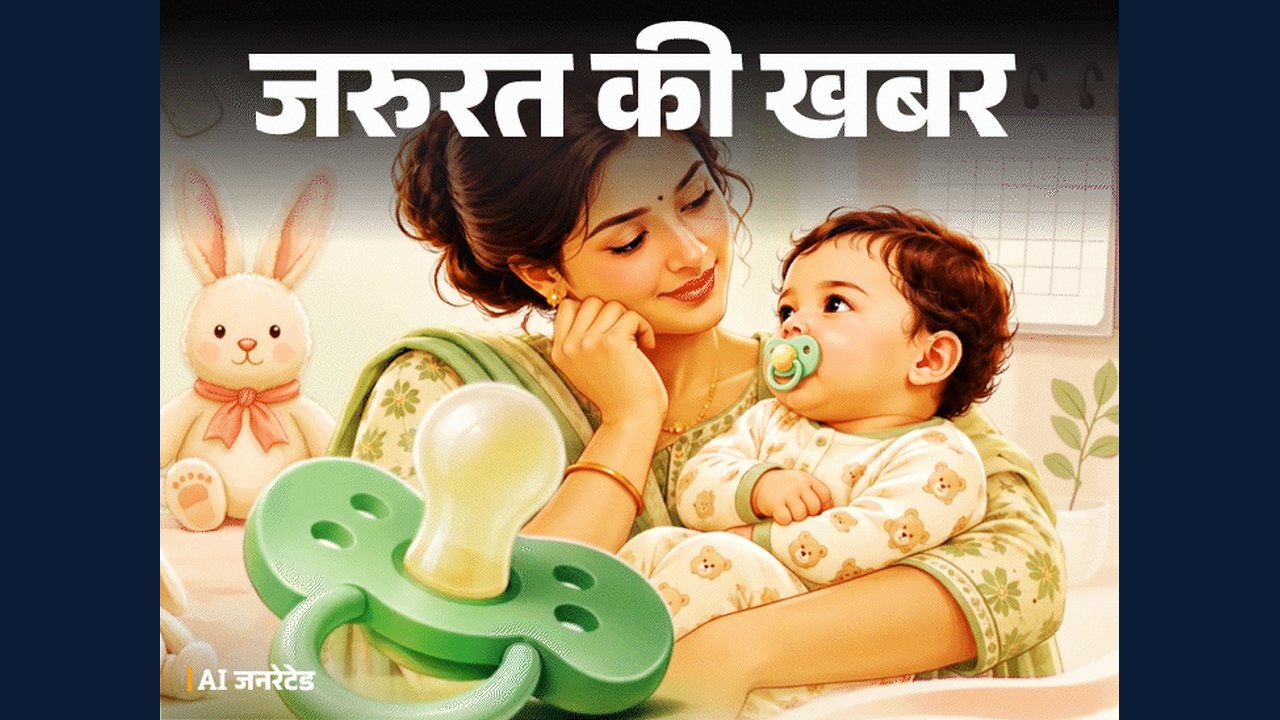
Image: Dainik Bhaskar · Photo source · Resized and letterboxed to 16:9; no AI generation
Using a pacifier can help calm a fussy baby by satisfying their natural sucking reflex, but parents should weigh its proper usage against potential dental and health considerations. According to the American Academy of Pediatrics (AAP), pacifiers are generally considered safe when chosen correctly for the child's age and can even help reduce the risk of Sudden Infant Death Syndrome (SIDS) during sleep.
Dr. Sunil Sareen, Senior Consultant in Pediatrics and Neonatology at Apollo Spectra Hospital in Delhi, notes that pacifiers are simply a tool to soothe infants and are not strictly required for normal development. Many babies stay calm and happy without them through alternative soothing methods, such as physical touch or parental reassurance.
Key Considerations and Safety Rules
- Do not use as a substitute for feeding: If an infant is hungry, a pacifier should not replace breast milk or formula, as this can negatively impact nutrition.
- Avoid sweet dips: Never dip pacifiers in honey or sweet substances. For infants under one year old, honey poses a risk of infant botulism, which can lead to muscle weakness, alongside increasing the risk of tooth cavities.
- Maintain hygiene: Clean the pacifier thoroughly before and after use, and let it dry in a clean area to prevent germ transmission. Regularly inspect it for cracks or wear and replace it every 1 to 2 months or immediately if damaged.
- Weaning timeline: Experts generally suggest starting the process of weaning children off pacifiers after 12 months of age, aiming to stop completely by age two to prevent potential dental or oral development issues.
To verify original parenting guidance, consult certified pediatricians or trusted public health organizations such as the American Academy of Pediatrics.
AI-assisted reporting; source claims are attributed and have not been independently verified.
More to read
 Isabgol Health Benefits: Understanding the Science, Fiber Content, and Usage of Psyllium Husk
 Navigating Student Earning Apps in India: Realistic Options and Safety Guidelines for 2026
 Understanding the Risks of Completely Draining Your Laptop Battery
 Buruli Ulcer Cases Rise: Understanding the Risks and Prevention Strategies