Can Indians Eat Rice, Roti, and Dal and Still Beat Diabetes? Dr Shriram Nene Answers
· GlobeWire Daily Lifestyle Desk · Source: www.indiatoday.in
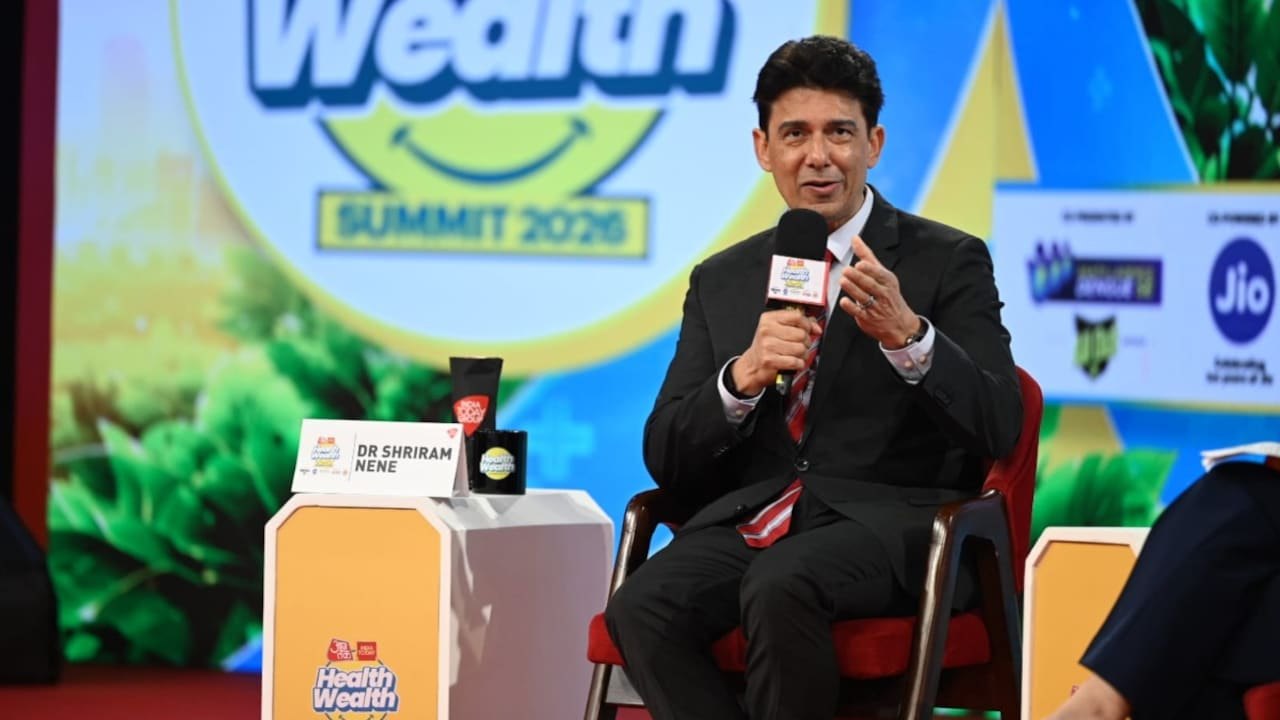
Image: India Today · Photo source · Resized and letterboxed to 16:9; no AI generation
Cardiovascular and thoracic surgeon Dr Shriram Nene discussed diabetes management and dietary habits in India during a session at the India Today HealthWealth Summit. He addressed whether traditional staples like rice, roti, and dal are responsible for rising diabetes rates, or if lifestyle factors play a larger role.
Speaking in a session titled '21 Days to Good Health', Dr Nene noted that an estimated 10.1 crore Indians live with diabetes, while another 13.6 crore have prediabetes. Research from institutions like the Madras Diabetes Research Foundation (MDRF) and the ICMR-INDIAB study indicates that a significant share of total energy intake in Indian diets comes from low-quality carbohydrates and refined cereals.
The Shift in Lifestyle and Diets
According to Dr Nene, the primary issue is not the traditional foods themselves, but how societal changes have impacted activity levels and dietary needs:
- Sedentary Routines: India has transitioned largely from an agrarian society requiring physical labour to an industrial and desk-bound workforce.
- Carbohydrate Impact: High-carbohydrate diets combined with less physical movement can increase the risk of type 2 diabetes, prediabetes, and obesity.
- Portions and Quality: The focus should extend beyond avoiding carbohydrates to examining portion sizes, carbohydrate quality, and daily energy expenditure.
Building a Balanced Indian Plate
Rather than endorsing restrictive diets, Dr Nene advocates for a practical, plate-based approach tailored to individual lifestyles, genetics, and physical activity levels. His suggested model includes:
- Fiber-Rich Vegetables: Filling half the plate with vegetables.
- Protein: Allocating a quarter of the plate to protein sources.
- Complex Carbohydrates: Using the remaining quarter for unrefined, complex carbohydrates.
Rethinking Familiar Foods and Snacks
Dr Nene suggested that familiar comfort foods and snacks do not necessarily need to be eliminated. Instead, he recommended modifying ingredients and preparation methods. For example, in an experimental variation of vada pav, his team tested sweet potato as a higher-fiber, lower-glycaemic-index alternative to potato filling, alongside millet-based pav alternatives and healthier cooking methods.
He also recommended gradually reducing added sugar, such as cutting sugar from tea or coffee over a 21-day period to reset preferences, while cautioning that artificial sweeteners do not offset an otherwise calorie-dense diet.
Practical Implications and Verification
- Personal Guidance: Individuals managing diabetes or prediabetes should consult qualified healthcare professionals for personalized nutritional plans.
- Habit Formation: Sustainable, gradual dietary adjustments are generally more effective than drastic, short-term restrictions.
- Verification: Readers can review the original coverage and session recordings through the India Today HealthWealth Summit platform.
AI-assisted reporting; source claims are attributed and have not been independently verified.
More to read
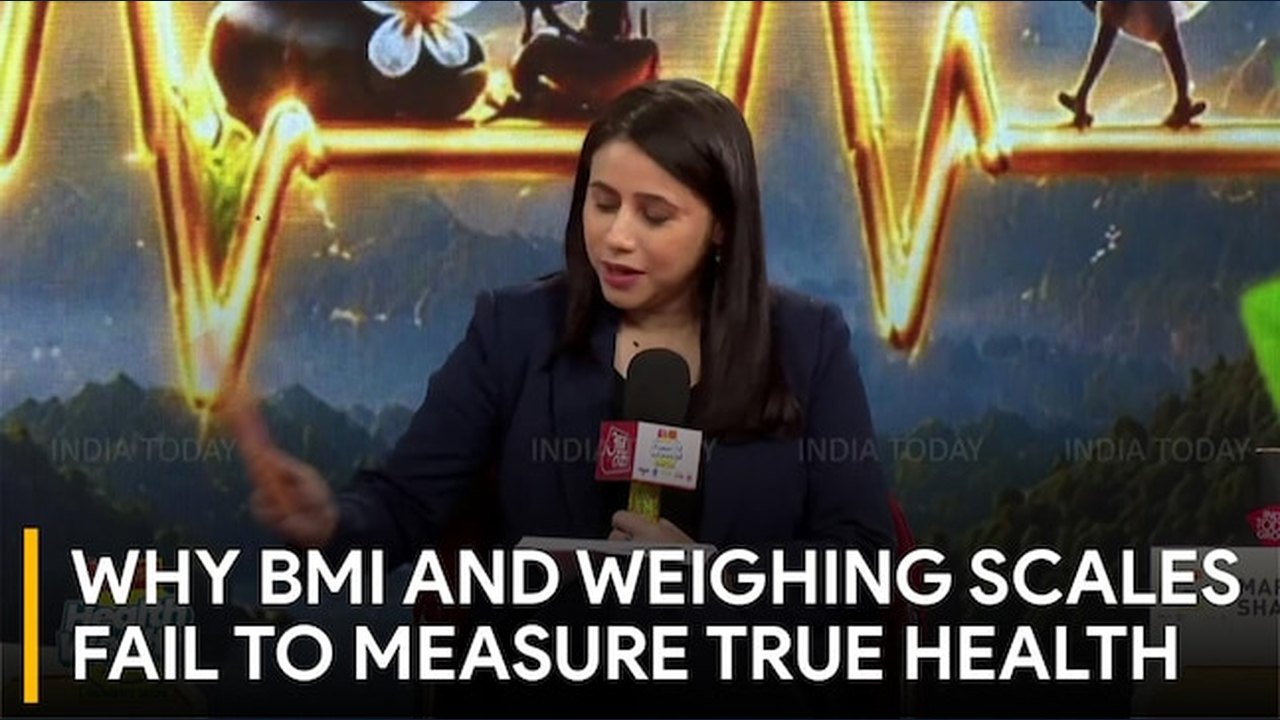 Dr Shriram Nene Discusses Preventive Healthcare and Diabetes Prevention at Health Wealth Conference
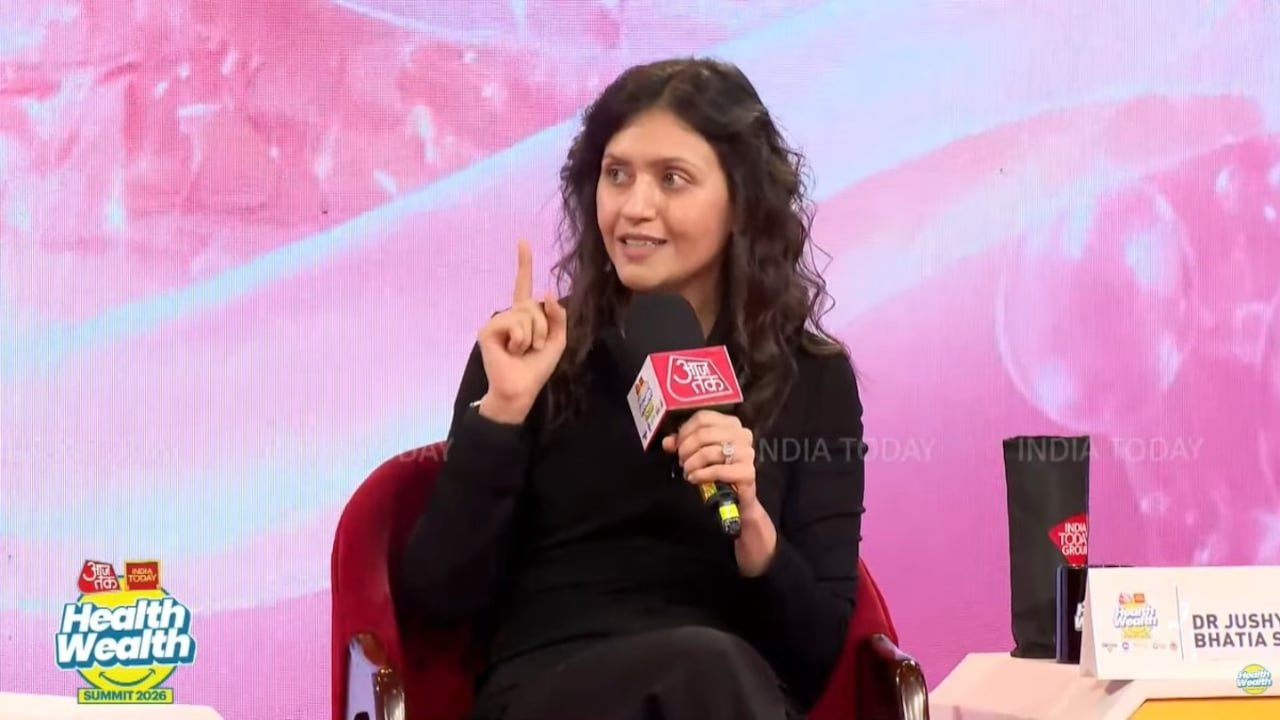 Can Indian Skin Achieve Korean Glass Skin? Dermatologist Dr Jushya Bhatia Answers
 Dr. Shriram Nene Outlines Key Wellness Principles for Sustainable Health
 England beat USA 69‑7 but still have work to do before Six Nations defence
Trending on GlobeWire Daily
Selected from recent coverage and related topics; not live search rankings.
 Madhya Pradesh Government Plans Revenue Generation from 117-Year-Old Edward Villa in Mumbai Through Leasing
 iPhone 18 Pro Named TechRadar Product of the Year 2026
 Google Project Suncatcher Runs Gemma 4 AI on Orbiting Satellite and Receives First Response
 Gender Disparities in Eye Care Access Across India Examined
 Satellite Images Show Cyclone Arnab Weakening Over India As New System Brews
 Expanding Green and Blue Spaces Crucial for India's Economic and Public Health, Reports Indicate