ESA’s Euclid Space Telescope Captures Crowded Heart of the Milky Way
· GlobeWire Daily Editorial Desk · Source: www.esa.int

Image: ESA: TBD · Photo source · Resized and letterboxed to 16:9; no AI generation
European Space Agency’s Euclid space telescope has briefly directed its visible light camera toward the dense inner region of the Milky Way known as the galactic bulge. Captured on 23 March 2025 over approximately 26 hours, the resulting mosaic encompasses over 60 million stars, nebulas, and star clusters, offering astronomers a high-detail view intended to support research into exoplanets using gravitational microlensing.
Mission Context and Observations
- Target Region: The extremely bright galactic centre, requested by astronomers to leverage Euclid's wide-area imaging capabilities.
- Image Composition: A mosaic of nine pointings from the visible light camera, completed in about 26 hours.
- Comparative Scale: Each pointing covers an area larger than the full Moon, offering a field of view 270 times larger than the Hubble Space Telescope's wide field camera.
Gravitational Microlensing and Exoplanet Research
Microlensing occurs when a foreground star passes in front of a background star, acting as a cosmic magnifying glass that bends and brightens the background light. If a planet orbits the foreground star, its gravity causes a slight unevenness in this light brightening, revealing the planet's presence.
While a single day of observation is insufficient to record new microlensing events—which typically require over twenty days of continuous monitoring—the Euclid dataset provides a crucial past time reference. Researchers note that the data allows scientists to measure the masses of known and future planets by tracking the precise movement of stars over time, including systems such as OGLE-2005-BLG-390Lb and OGLE-2013-BLG-341Lb.
Practical Implications and Verification
The newly released data is intended to serve as a historical reference for future missions, such as the upcoming Roman space telescope, helping scientists determine star motions, study brown dwarfs, binary stars, and galactic dust. Interested readers can explore the high-resolution imagery via ESASky or access download instructions directly through official ESA announcements.
AI-assisted reporting; source claims are attributed and have not been independently verified.
More to read
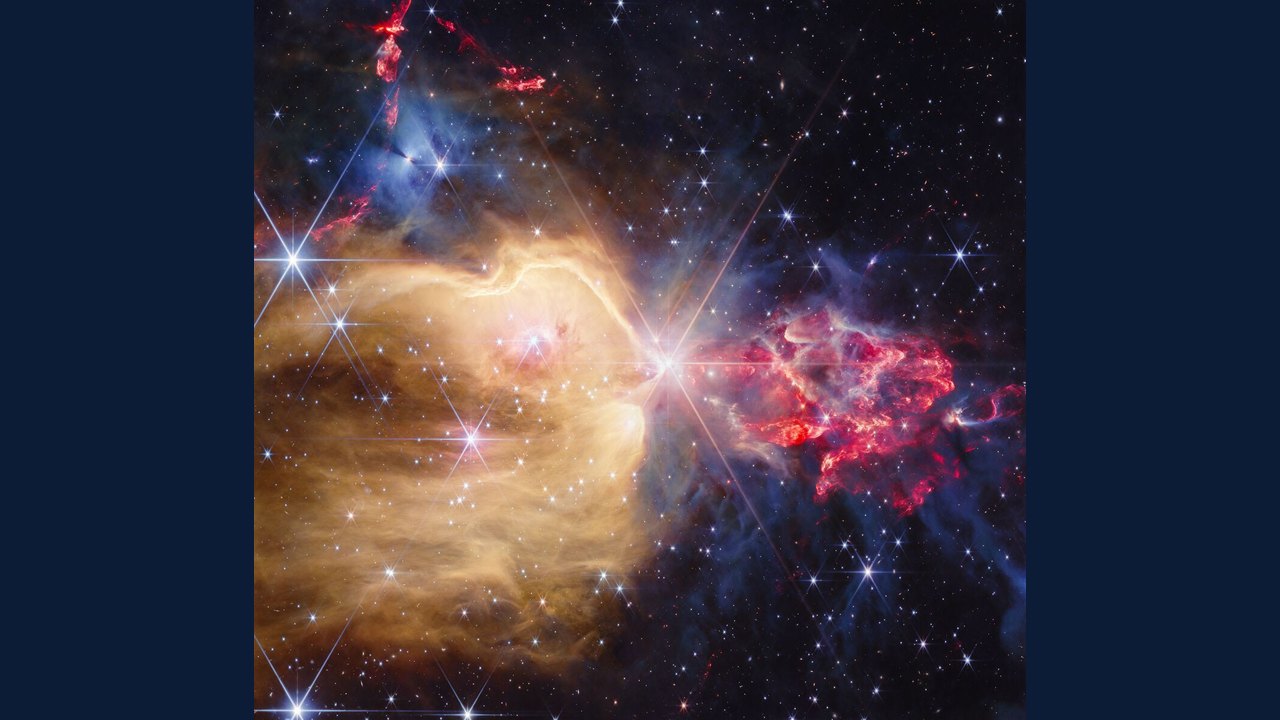 NASA's James Webb Space Telescope Captures Star Formation in NGC 7129
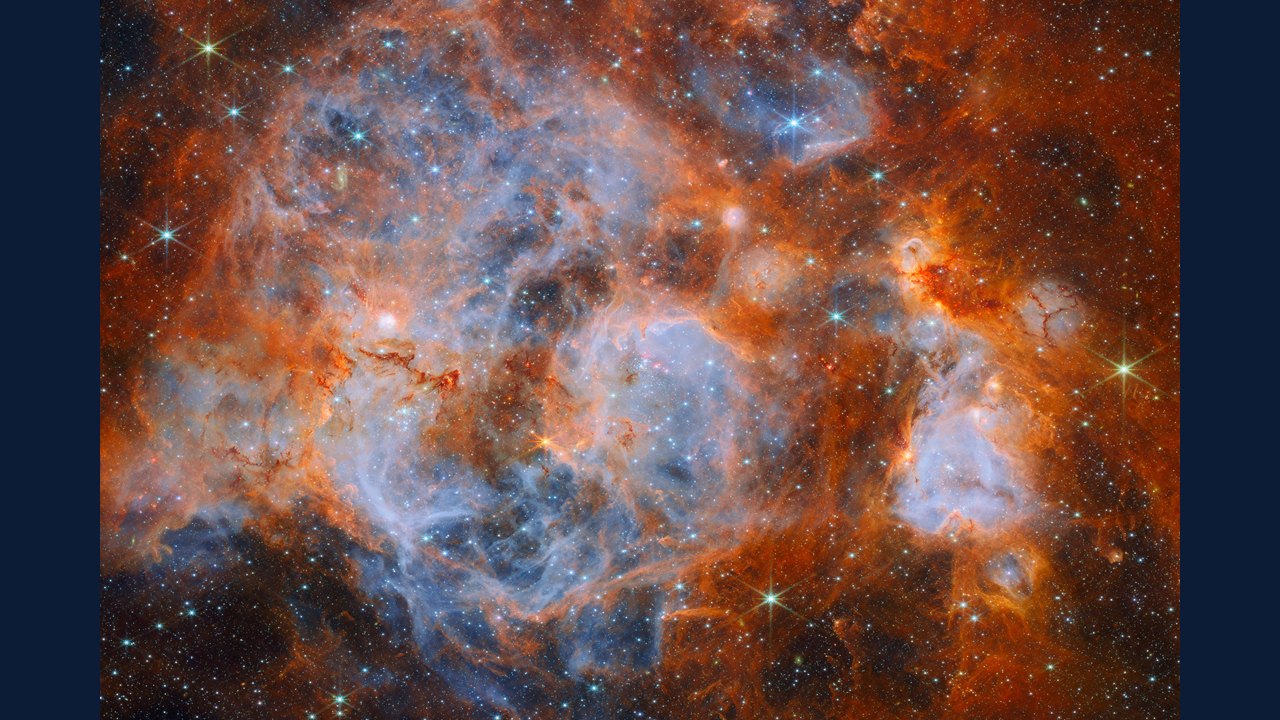 James Webb Space Telescope Captures High-Energy Star Formation in N159
 NASA's Hubble Space Telescope Captures Detailed View of the Cat's Head Nebula
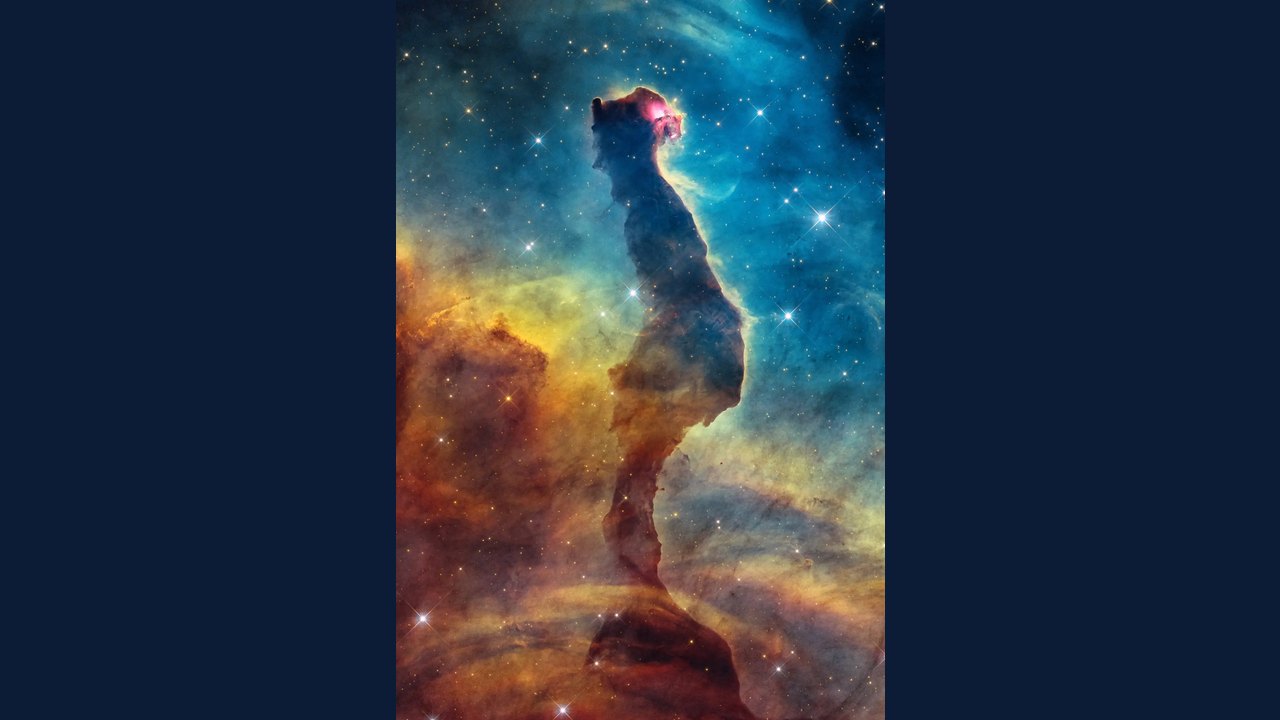 Hubble Space Telescope Captures Visible-Light View of the Cat’s Head Nebula