James Webb Space Telescope Captures High-Energy Star Formation in N159
· GlobeWire Daily Editorial Desk · Source: www.nasa.gov
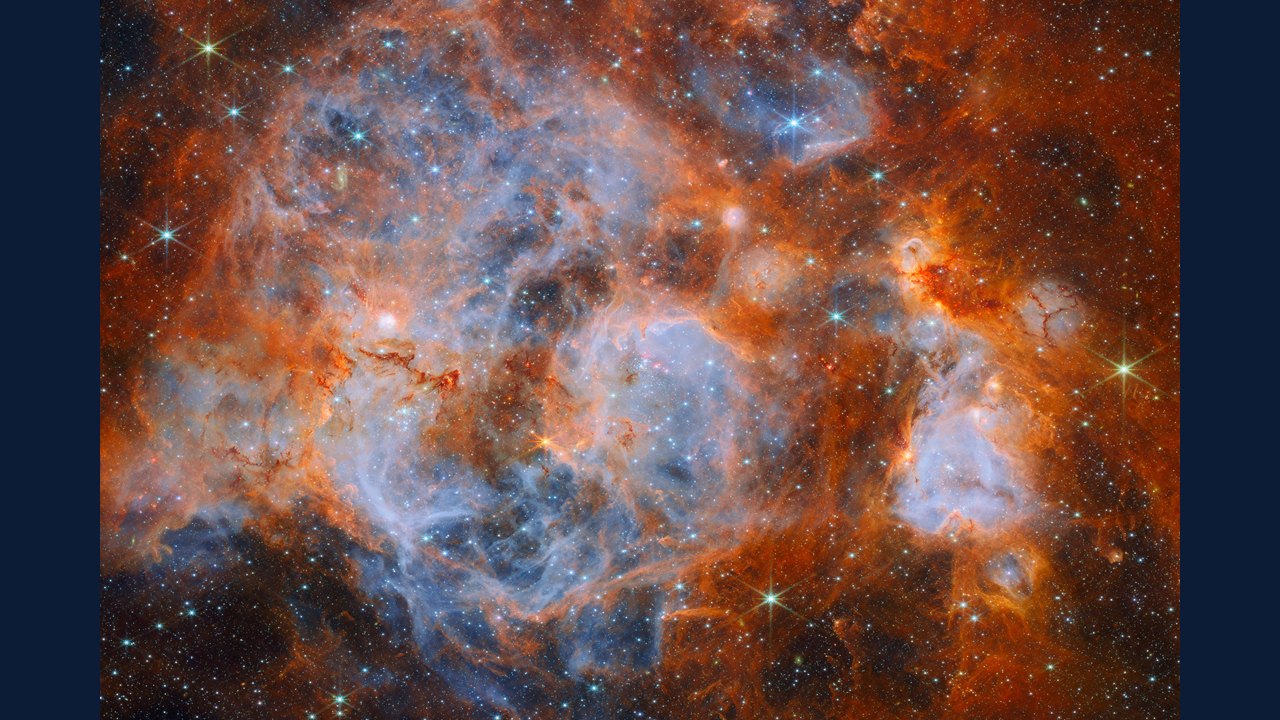
Image: NASA · Photo source · Resized and letterboxed to 16:9; no AI generation
On October 22, 2026, the James Webb Space Telescope (JWST) released a new observation of N159, a chaotic star-forming region located 161,000 light-years from Earth. This nursery, situated within the Large Magellanic Cloud—a satellite galaxy of the Milky Way—is characterized by dense concentrations of gas and turbulent structures.
Scientific Significance
Astronomers are particularly interested in N159 due to its unique chemical composition. Key features of this region include:
- Lower Metallicity: The area contains a lower proportion of elements heavier than hydrogen and helium compared to our own galaxy.
- Early Universe Analog: By studying this composition, researchers hope to better understand the star-formation processes that occurred during the early stages of the universe.
- Dense Gas Clumps: High-resolution imagery reveals the complex mechanics of how interstellar material collapses to form new stars.
Context and Verification
While the imagery offers a detailed view of these cosmic nurseries, it is part of an ongoing effort to map the star-forming regions of neighboring galaxies. The data provided by the JWST helps refine current models of galactic evolution.
Observers interested in viewing the full-resolution imagery or finding technical documentation regarding these observations can visit the official NASA or ESA/Webb websites. Please note that all scientific interpretations of these images are subject to peer-reviewed analysis as more data becomes available from the telescope's deep-space surveys.
AI-assisted reporting; source claims are attributed and have not been independently verified.
More to read
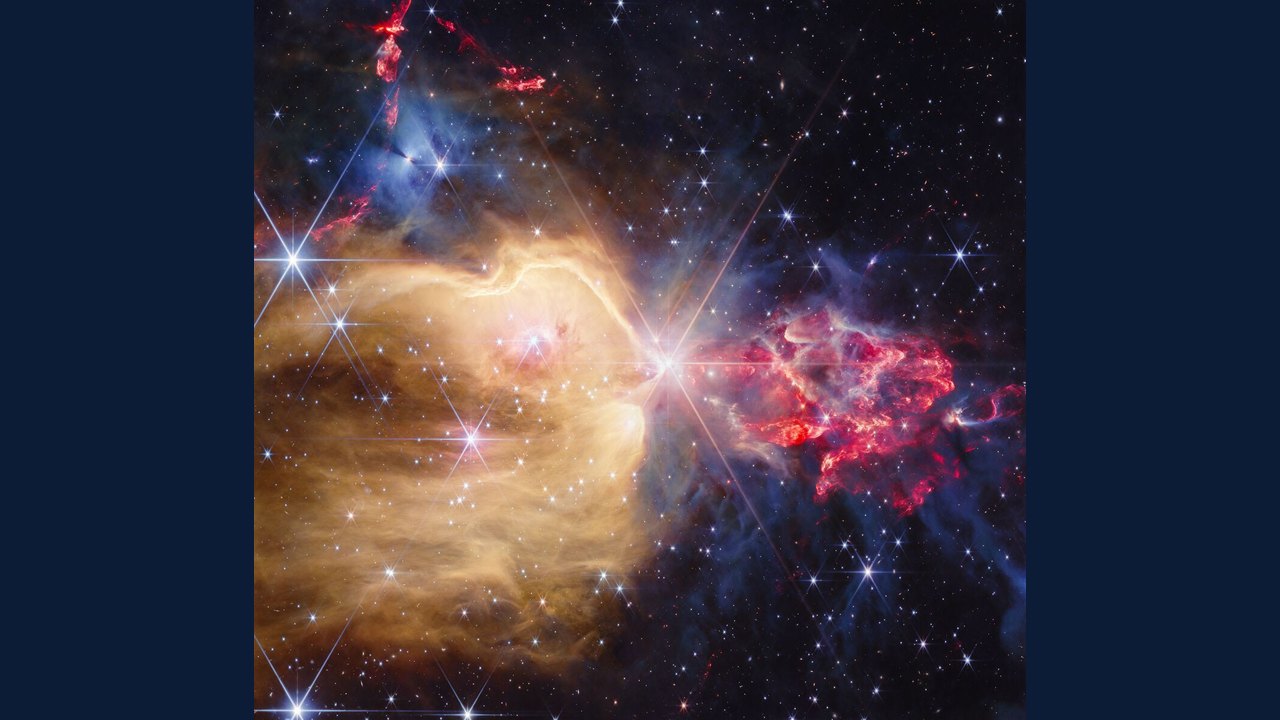 NASA's James Webb Space Telescope Captures Star Formation in NGC 7129
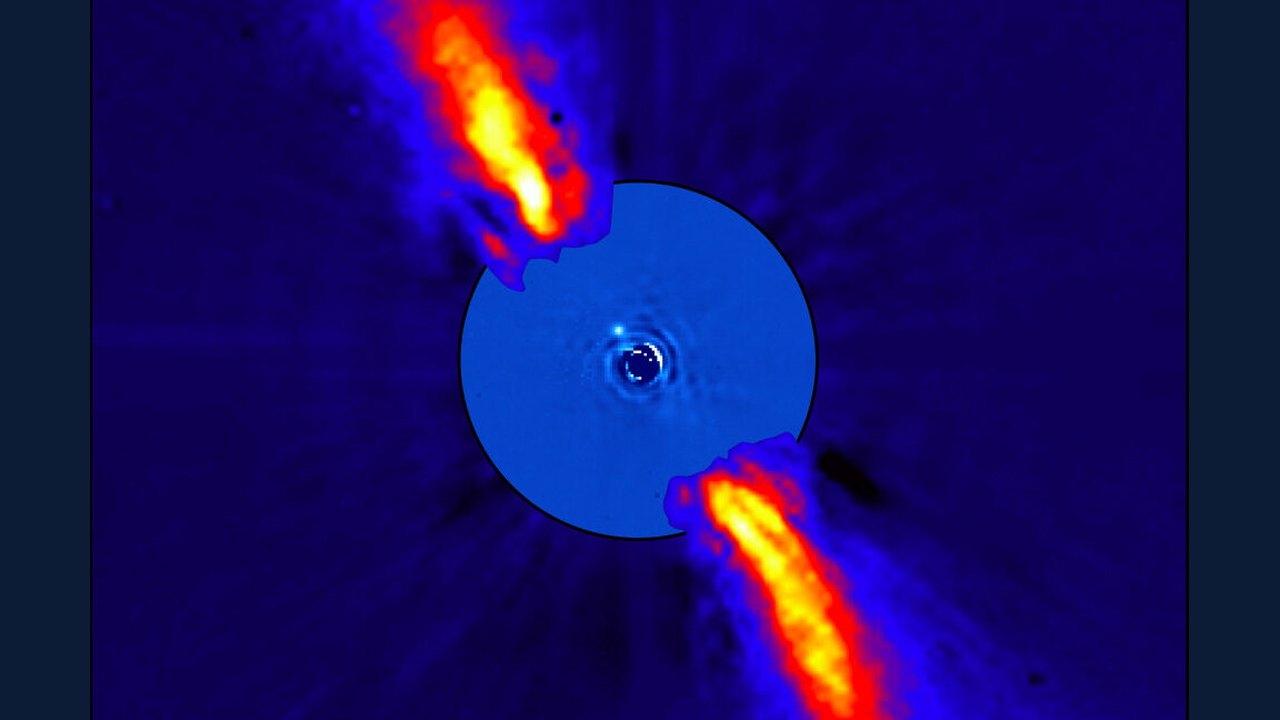 James Webb Space Telescope Detects Ancient Interstellar Ice Around Young Star Beta Pictoris
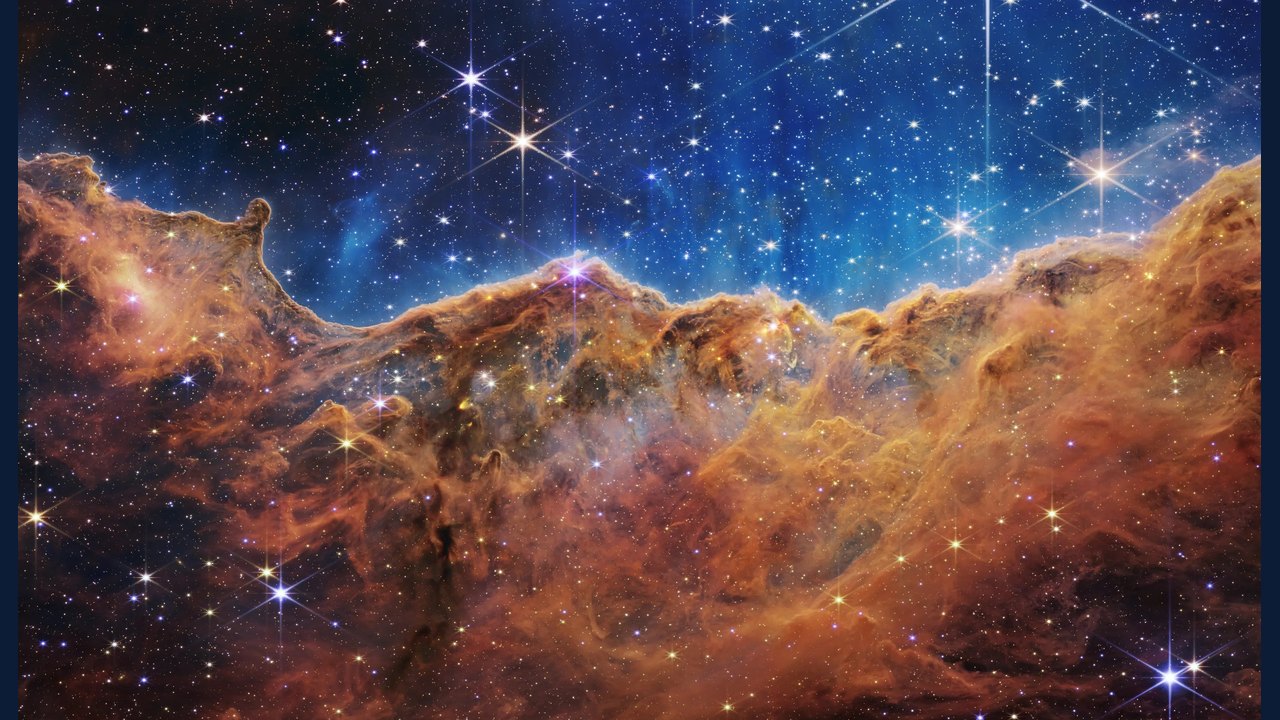 NASA Releases James Webb Space Telescope's First Full-Color Science Images
 NASA's James Webb Space Telescope Reveals Detailed Map of Dark Matter's Influence