James Webb Space Telescope Detects Ancient Interstellar Ice Around Young Star Beta Pictoris
· GlobeWire Daily Editorial Desk · Source: arstechnica.com
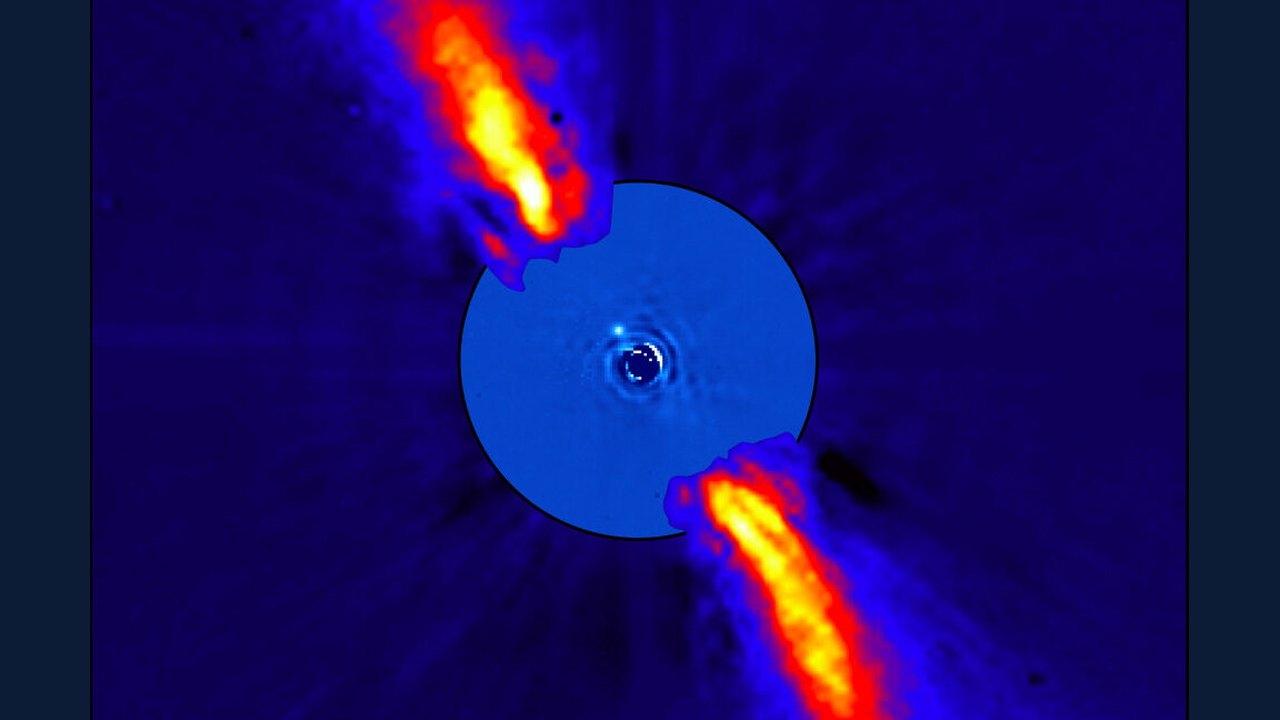
Image: Ars Technica · Photo source · Resized and letterboxed to 16:9; no AI generation
Astronomers analyzing data from the James Webb Space Telescope (JWST) have reported the detection of water and carbon dioxide ice in the debris disk surrounding the young star Beta Pictoris. According to a study published in Science, researchers led by Sarah Betti at the Space Telescope Science Institute found that this ice shares compositional similarities with comets in our own Solar System, pointing to potential commonalities in how planetary building blocks form.
Beta Pictoris is located approximately 64 light-years from Earth and is estimated to be roughly 20 million years old. Because the debris disk is viewed almost edge-on, it serves as a natural laboratory for studying planetary system formation. Earlier searches had encountered difficulties detecting water ice directly using space-based observation methods, but the new findings utilize JWST's Near Infrared Spectrograph (NIRSpec) to analyze the full light spectrum reflected by the dust.
Key Findings from the Observations
- Mixed Composition: Researchers found that carbon dioxide molecules are trapped directly inside the water ice, forming a "dirty ice" mixture that theoretical models suggest can better survive stellar ultraviolet radiation.
- Amorphous Structure: Spectral analysis indicated that less than 7 percent of the water ice is crystalline, with the vast majority appearing in an amorphous, glass-like state. This suggests the ice must remain below roughly 100 Kelvin or experience continuous disruption from cosmic forces.
- Interstellar Origins: The presence of this disordered, amorphous ice implies it likely formed in the interstellar medium long before the planets in the system began forming.
Implications and Limitations
The research team argues that frequent collisions among planetesimals help replenish the ice and dust across the disk, replacing material destroyed by starlight. While the study provides new insights into the chemical makeup of young debris disks, uncertainties remain regarding the exact total quantity of crystalline ice present and the potential presence of other undetected volatile molecules in the mixture.
Readers interested in verifying these claims can consult the published study in the journal Science (DOI: 10.1126/science.adw7770) or review technical documentation provided by the Space Telescope Science Institute.
AI-assisted reporting; source claims are attributed and have not been independently verified.
More to read
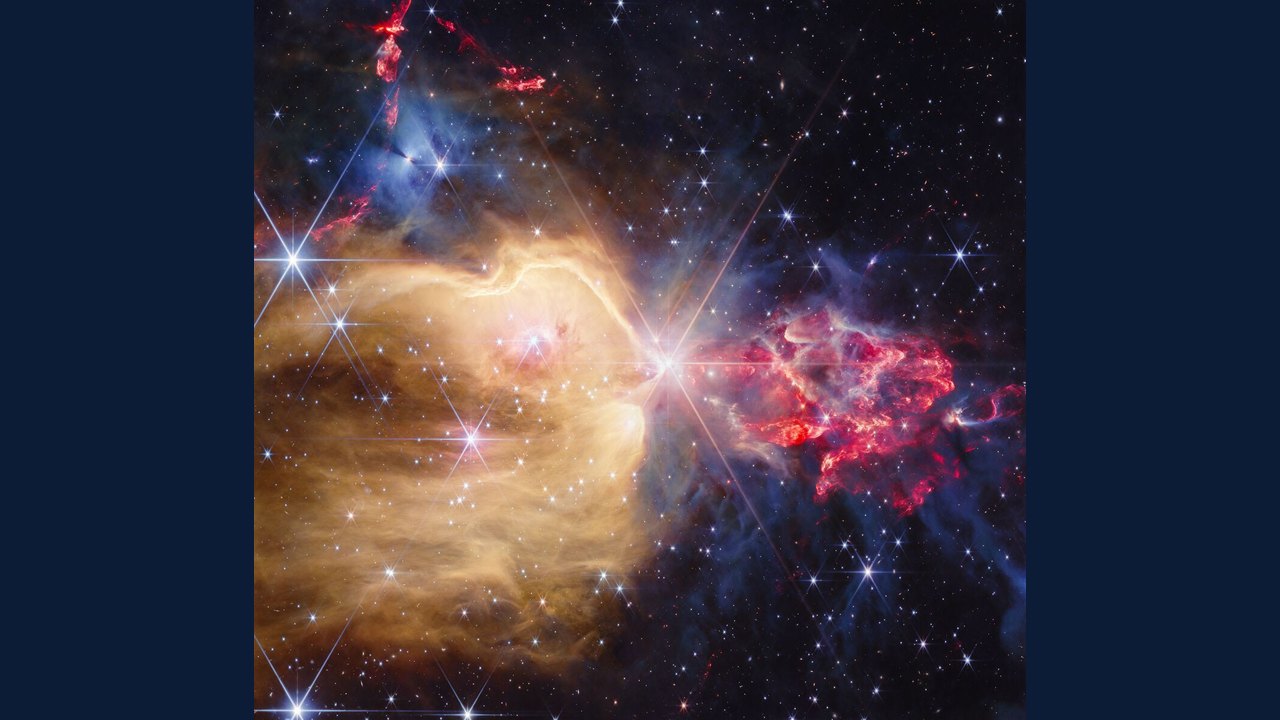 NASA's James Webb Space Telescope Captures Star Formation in NGC 7129
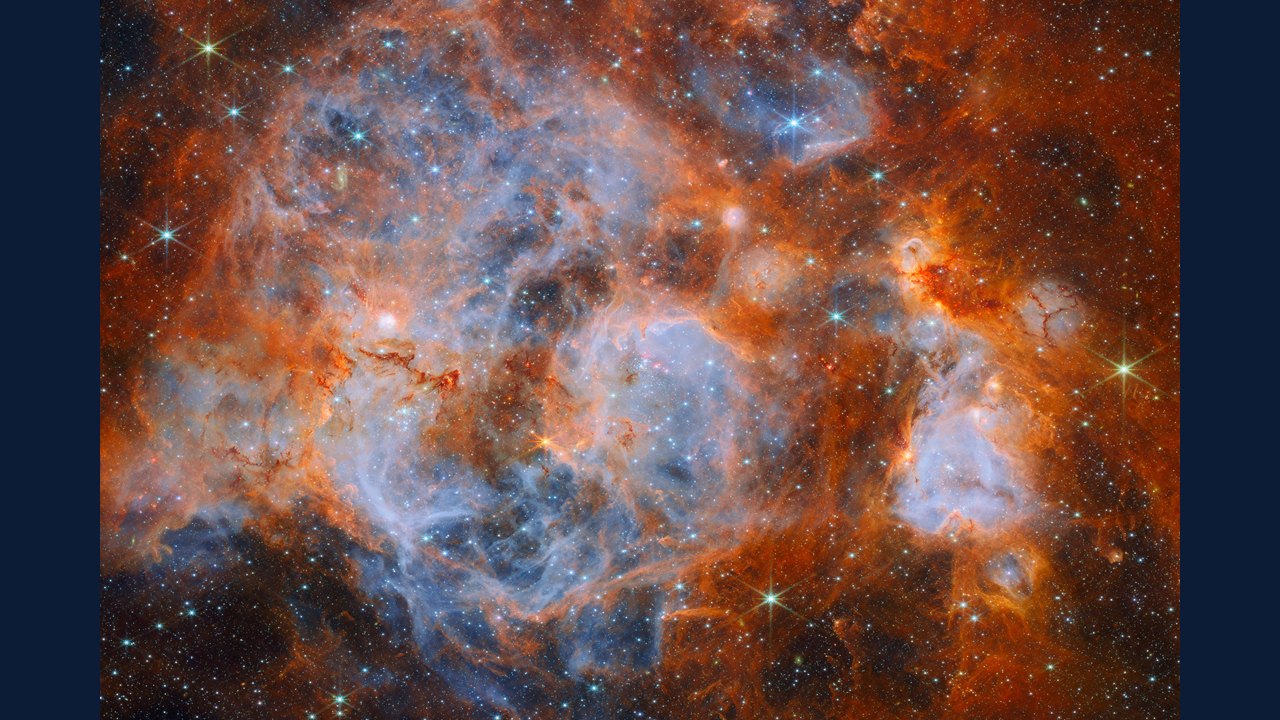 James Webb Space Telescope Captures High-Energy Star Formation in N159
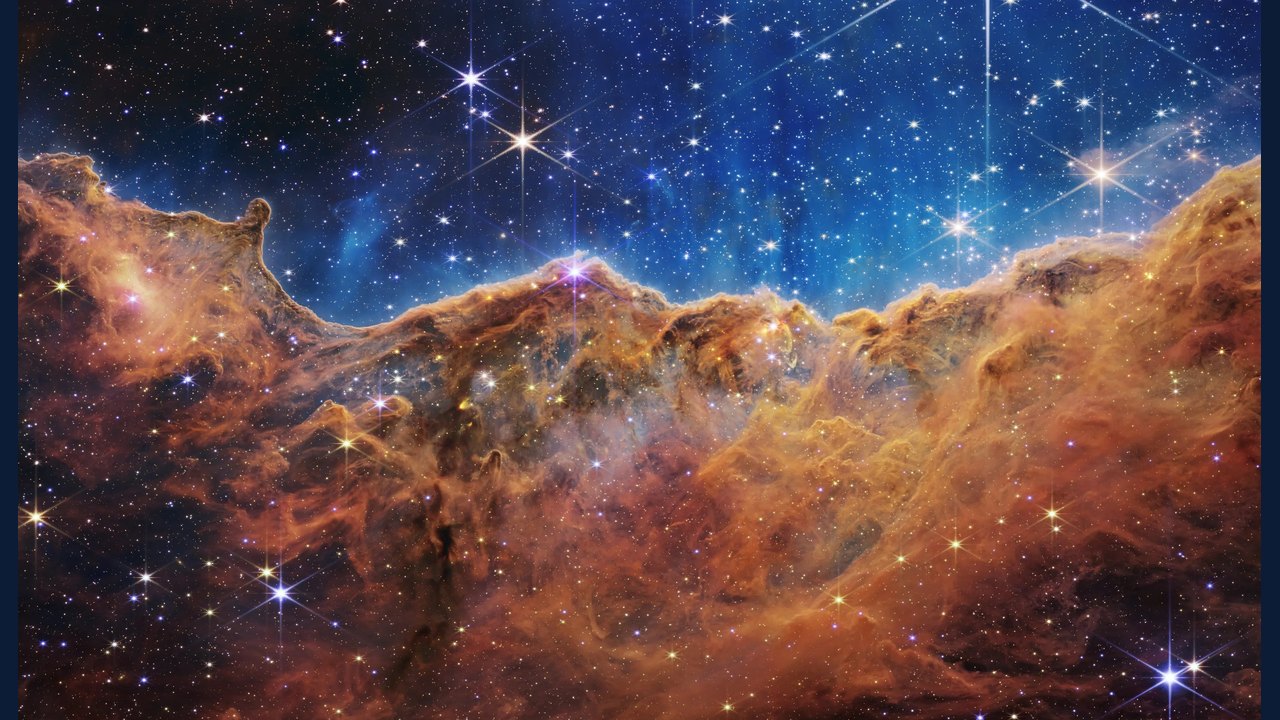 NASA Releases James Webb Space Telescope's First Full-Color Science Images
 NASA's James Webb Space Telescope Reveals Detailed Map of Dark Matter's Influence