India's ISRO Prepares to Launch NVS-03 Satellite to Boost NavIC GPS Alternative
· GlobeWire Daily Editorial Desk · Source: www.dw.com
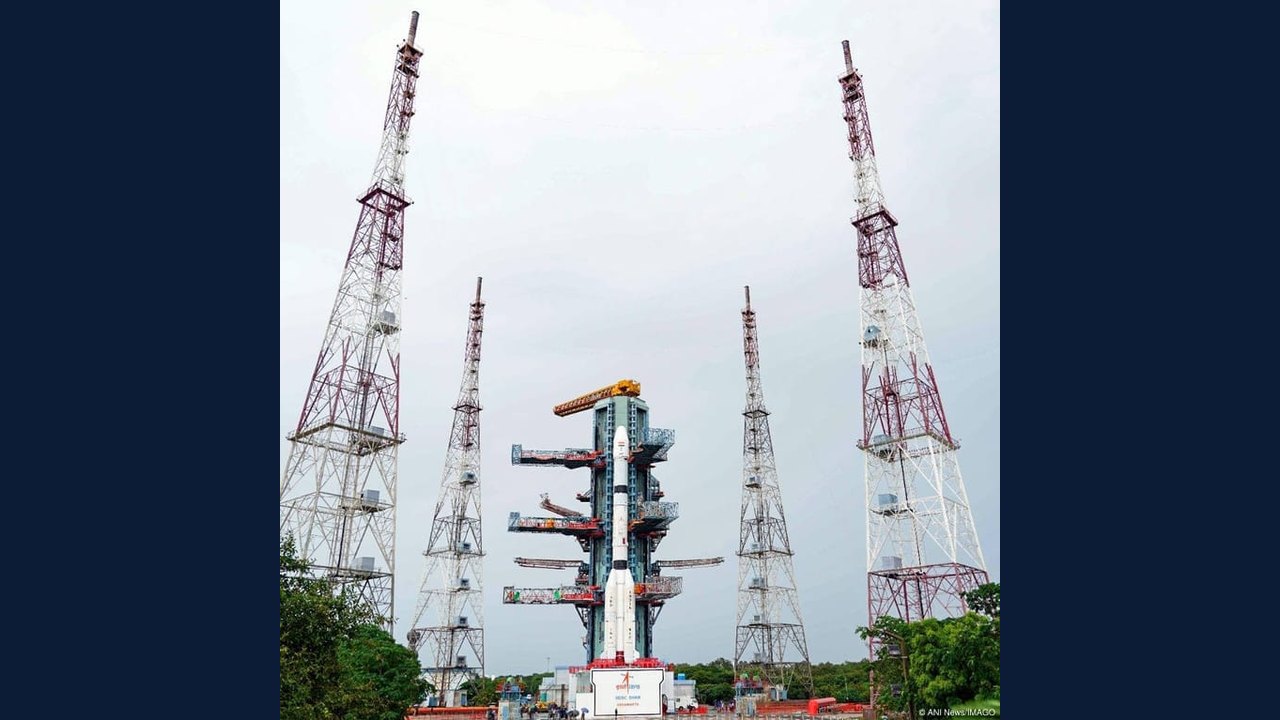
Image: dw.com · Photo source · Resized and letterboxed to 16:9; no AI generation
India's national space agency, the Indian Space Research Organisation (ISRO), is scheduled to launch the NVS-03 navigation satellite to strengthen the country's indigenous NavIC system, reducing reliance on the US-owned Global Positioning System (GPS).
According to ISRO, the upcoming launch is designed to augment the NavIC constellation and ensure continuity of navigation services. Readers should verify official launch updates directly through ISRO announcements.
Mission Details
- Rocket: GSLV-F18
- Launch Site: Satish Dhawan Space Centre in Sriharikota
- Scheduled Time: Friday at 11:51 p.m. (1821 GMT)
- Payload: The NVS-03 satellite, featuring an indigenous atomic clock alongside imported clocks, adding the L1 signal to existing L5 and S-band signals.
Coverage and Purpose
NavIC was developed to provide regional navigation coverage across India and up to 1,500 kilometers (932 miles) beyond its borders, lessening dependency on foreign systems. While ISRO handles the technical deployment, reports indicate the program has previously encountered challenges such as atomic clock failures and deployment hurdles.
AI-assisted reporting; source claims are attributed and have not been independently verified.
More to read
 Isro Scheduled to Launch NVS-03 Satellite with Indigenous Atomic Clock to Boost NavIC
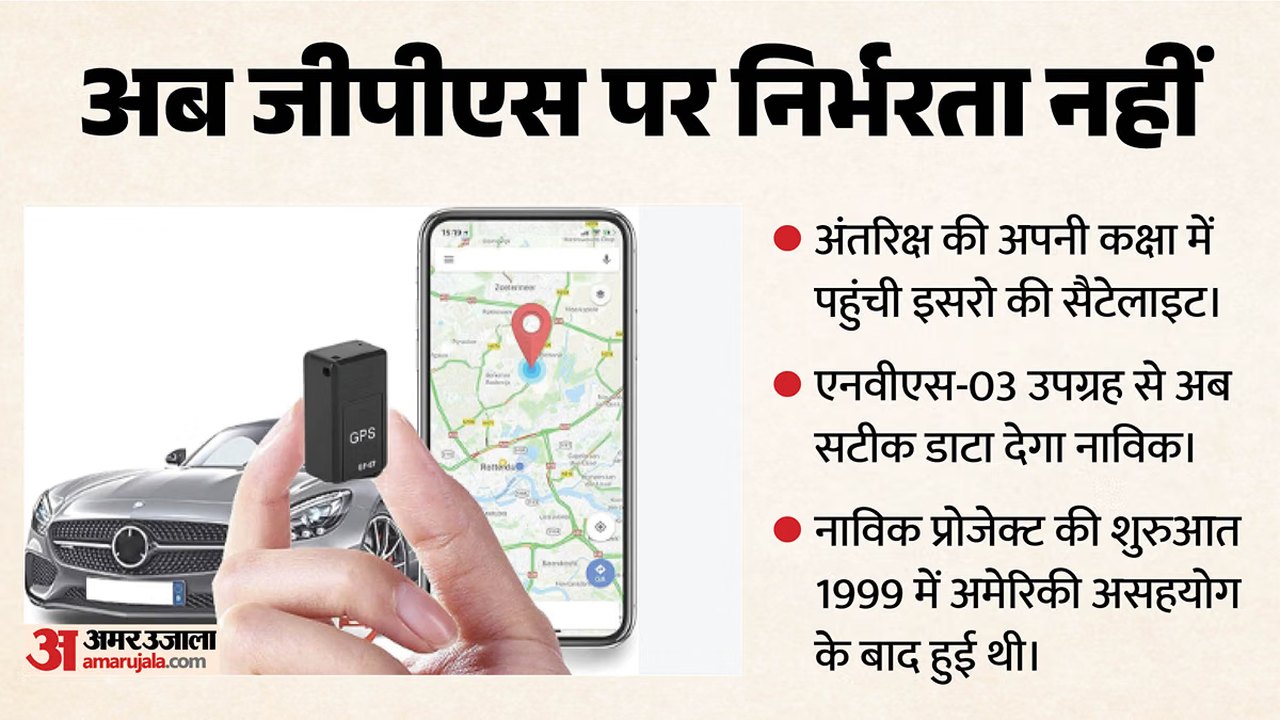 ISRO Launches NVS-03 Satellite to Boost India's NavIC Navigation Capabilities
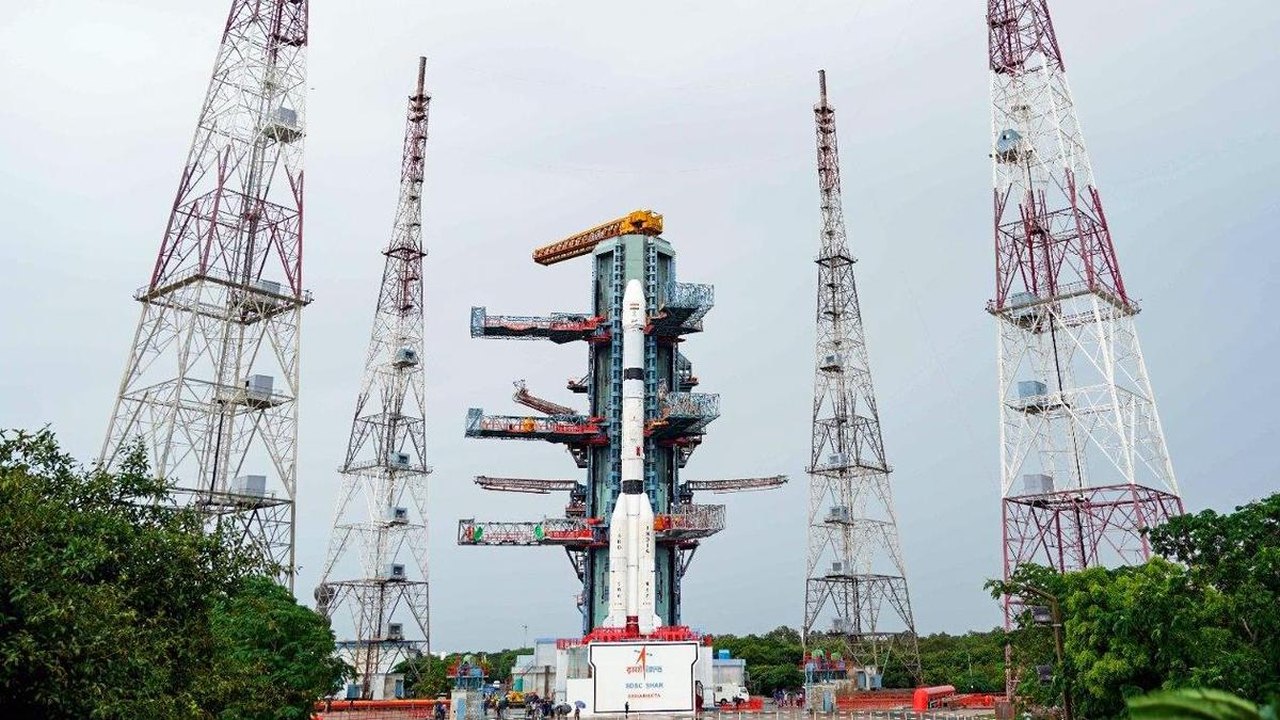 Why is ISRO’s NVS-03 satellite launch crucial? Explained
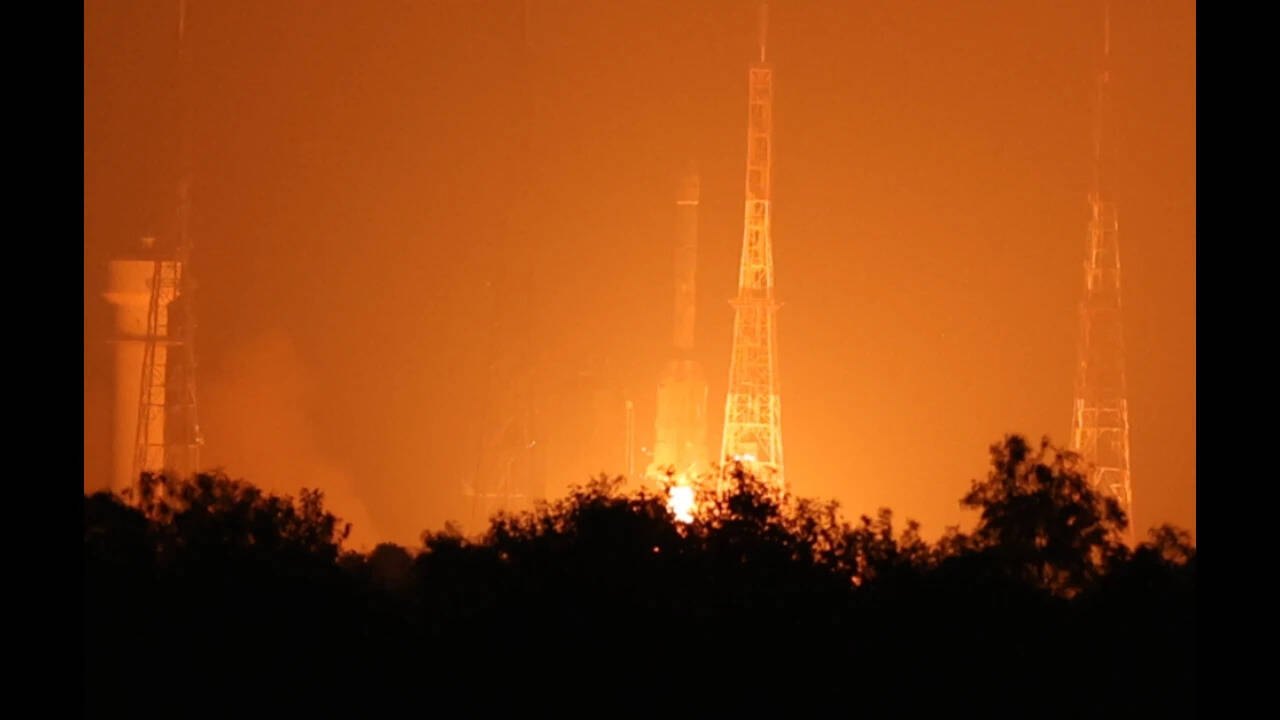 ISRO Successfully Places NVS-03 Navigation Satellite in Orbit, Boosting NavIC Constellation
Trending on GlobeWire Daily
Selected from recent coverage and related topics; not live search rankings.
 Madhya Pradesh Government Plans Revenue Generation from 117-Year-Old Edward Villa in Mumbai Through Leasing
 iPhone 18 Pro Named TechRadar Product of the Year 2026
 Google Project Suncatcher Runs Gemma 4 AI on Orbiting Satellite and Receives First Response
 Gender Disparities in Eye Care Access Across India Examined
 Satellite Images Show Cyclone Arnab Weakening Over India As New System Brews
 Expanding Green and Blue Spaces Crucial for India's Economic and Public Health, Reports Indicate