Isro Scheduled to Launch NVS-03 Satellite with Indigenous Atomic Clock to Boost NavIC
· GlobeWire Daily Editorial Desk · Source: timesofindia.indiatimes.com

Image: The Times of India · Photo source · Resized and letterboxed to 16:9; no AI generation
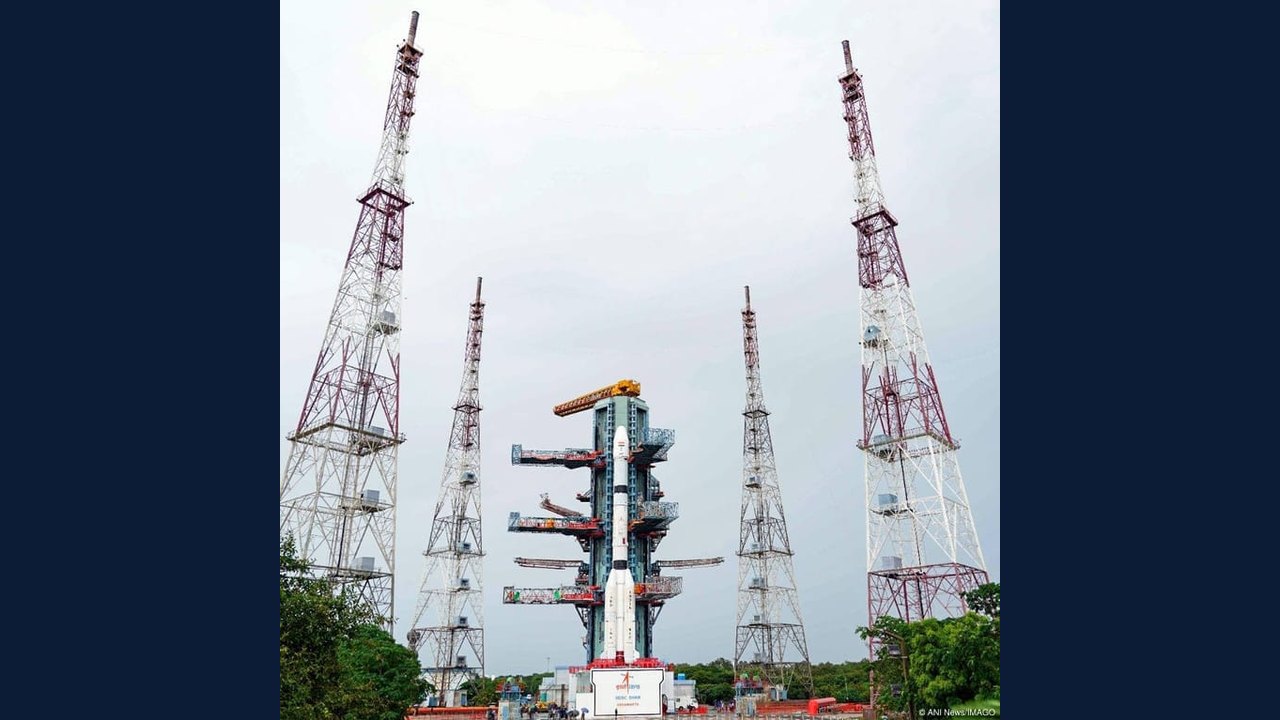
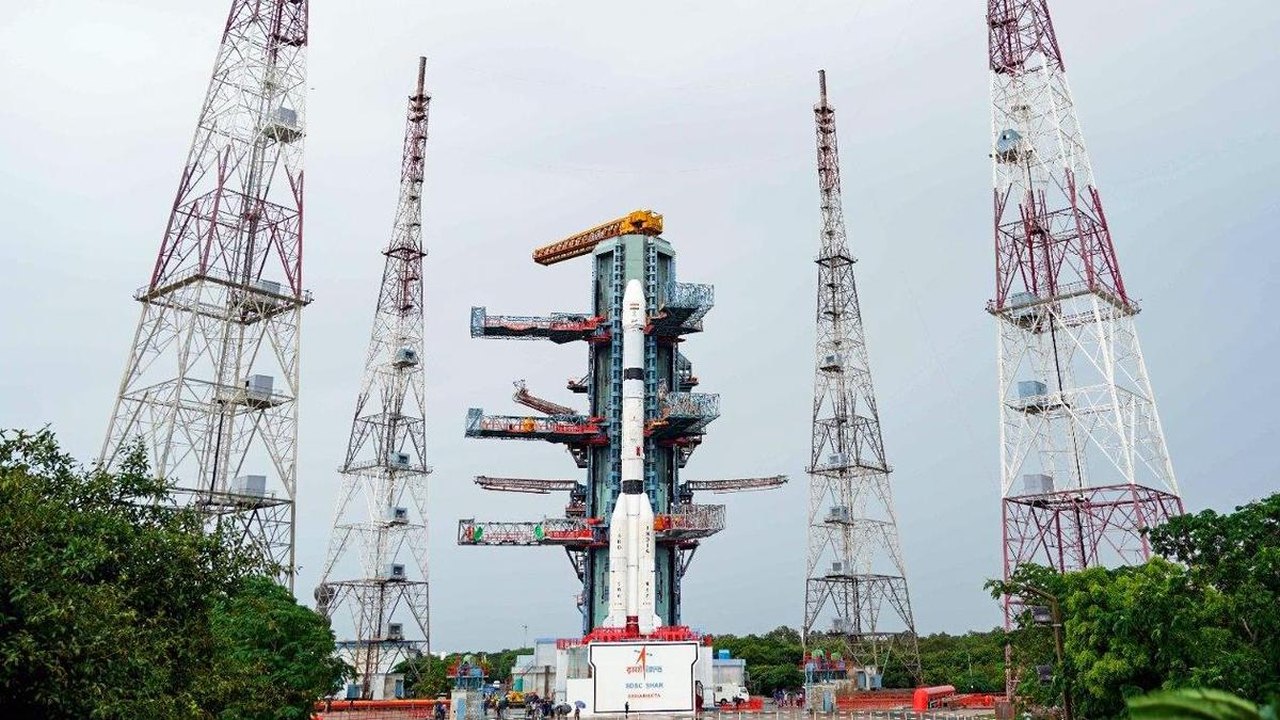
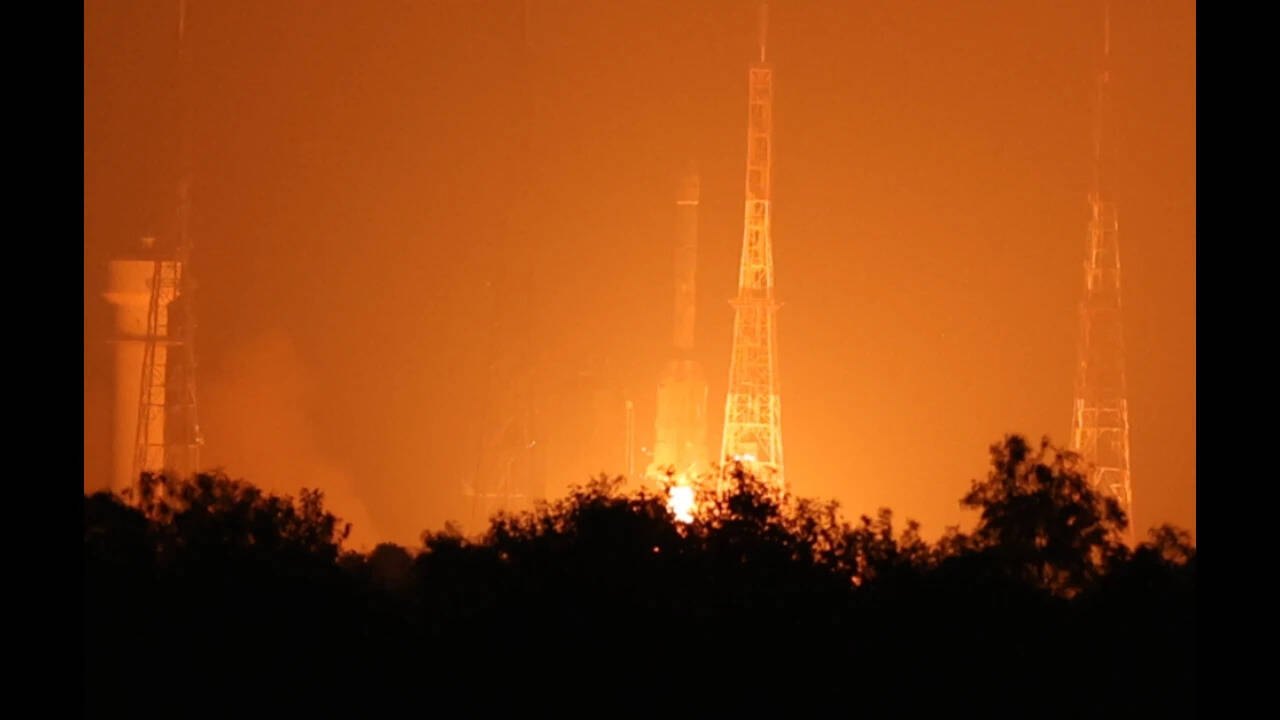
The Indian Space Research Organisation (Isro) is scheduled to launch its NVS-03 satellite aboard the GSLV-F18 rocket on Friday night, carrying an indigenous atomic clock into space to strengthen India's satellite navigation capabilities and time sovereignty. The launch is scheduled for 11:51 PM from the Second Launch Pad at the Satish Dhawan Space Centre (SDSC SHAR) in Sriharikota. This mission marks the 20th flight of the Geosynchronous Satellite Launch Vehicle (GSLV)-F18 and places the third indigenous atomic clock in space as part of the country's next-generation navigation satellite programme.
Mission Details and Objectives
The NVS-03 mission carries multiple atomic clocks, featuring one indigenously developed Rubidium atomic clock alongside procured atomic clocks. The satellite is part of ongoing efforts to ensure the continuity and strengthening of navigation services under the Indian Regional Navigation Satellite System (IRNSS), known as NavIC (Navigation with Indian Constellation).
- Launch Vehicle: GSLV-F18 (20th flight)
- Launch Site: Second Launch Pad, SDSC SHAR, Sriharikota
- Scheduled Time: Friday at 11:51 PM
- Payload: NVS-03 satellite with indigenous Rubidium atomic clock
Why Atomic Clocks Matter in Space
Atomic clocks are among the most accurate timekeeping devices, measuring time by monitoring the natural vibrational frequency of atoms. This ultra-precise timekeeping is crucial for satellite navigation:
- Radio and light waves travel at about 300,000 kilometres per second.
- A timing error of just a nanosecond (one billionth of a second) can cause a positional error of about 300 metres on the ground.
- Precise synchronization across the satellite constellation ensures accurate position calculations for users on Earth.
Background on NavIC and 'One Nation, One Time'
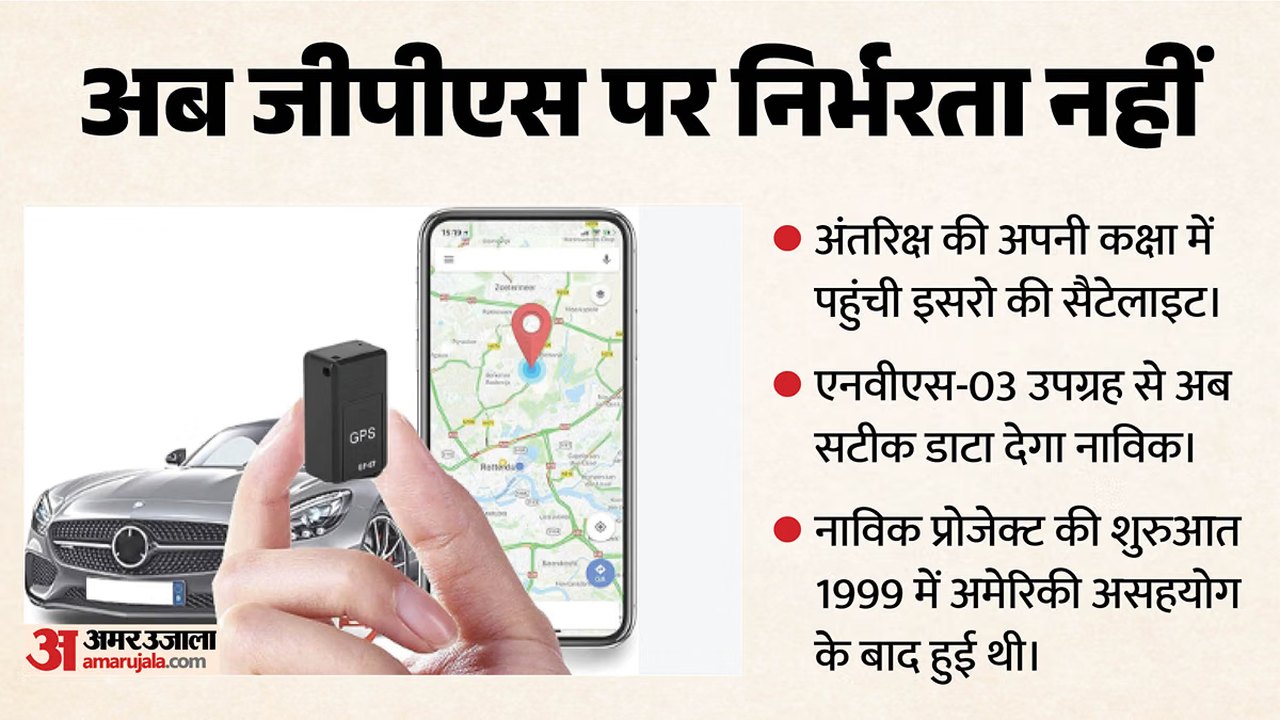
NavIC was developed to provide accurate position information services to users in India and a region extending up to 1,500 kilometres beyond its boundaries. India built the system following historical strategic lessons regarding foreign GPS dependence during the 1999 Kargil conflict. While first-generation satellites used imported clocks that experienced failures starting around 2016-17, Isro has since focused on developing indigenous alternatives.
The initiative also aligns with the government's 'One Nation, One Time' vision and the Legal Metrology (Indian Standard Time) Rules, 2026, which aim to establish Indian Standard Time as a reliable, legally recognized reference. Accurate time synchronization supports critical digital infrastructure, including telecommunications, financial transactions, power grids, and transportation.
Practical Implications and Verification
For practical users, the expansion of the NavIC constellation improves regional positioning reliability and introduces the civilian L1 signal used by standard consumer devices and smartphones. Observers and stakeholders can verify launch details and updates directly through official Isro announcements and mission broadcasts on their web portals.
AI-assisted reporting; source claims are attributed and have not been independently verified.
More to read
 India's ISRO Prepares to Launch NVS-03 Satellite to Boost NavIC GPS Alternative
 ISRO Launches NVS-03 Satellite to Boost India's NavIC Navigation Capabilities
 Why is ISRO’s NVS-03 satellite launch crucial? Explained
 ISRO Successfully Places NVS-03 Navigation Satellite in Orbit, Boosting NavIC Constellation
Trending on GlobeWire Daily
Selected from recent coverage and related topics; not live search rankings.
 Madhya Pradesh Government Plans Revenue Generation from 117-Year-Old Edward Villa in Mumbai Through Leasing
 iPhone 18 Pro Named TechRadar Product of the Year 2026
 Google Project Suncatcher Runs Gemma 4 AI on Orbiting Satellite and Receives First Response
 Gender Disparities in Eye Care Access Across India Examined
 Satellite Images Show Cyclone Arnab Weakening Over India As New System Brews
 Expanding Green and Blue Spaces Crucial for India's Economic and Public Health, Reports Indicate