NASA Astronomy Picture Highlights NGC 206 Star Clouds in Andromeda
· GlobeWire Daily Editorial Desk · Source: science.nasa.gov
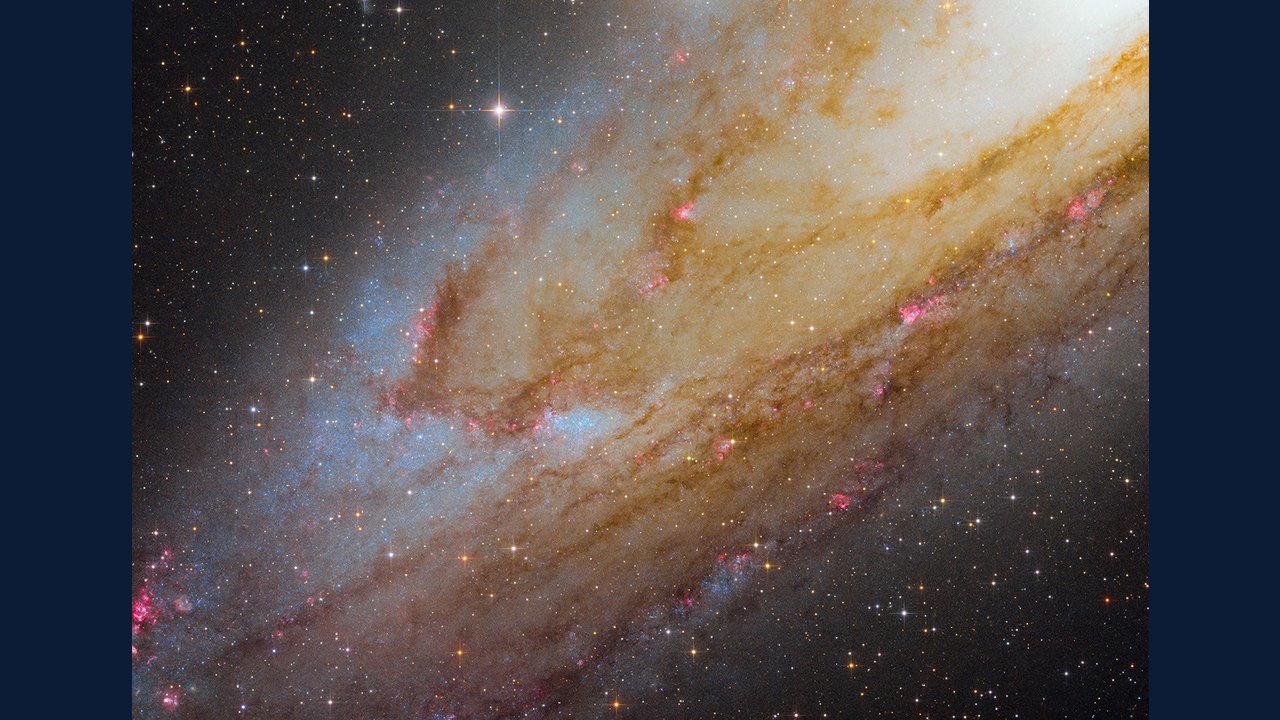
Image: NASA Science · Photo source · Resized and letterboxed to 16:9; no AI generation
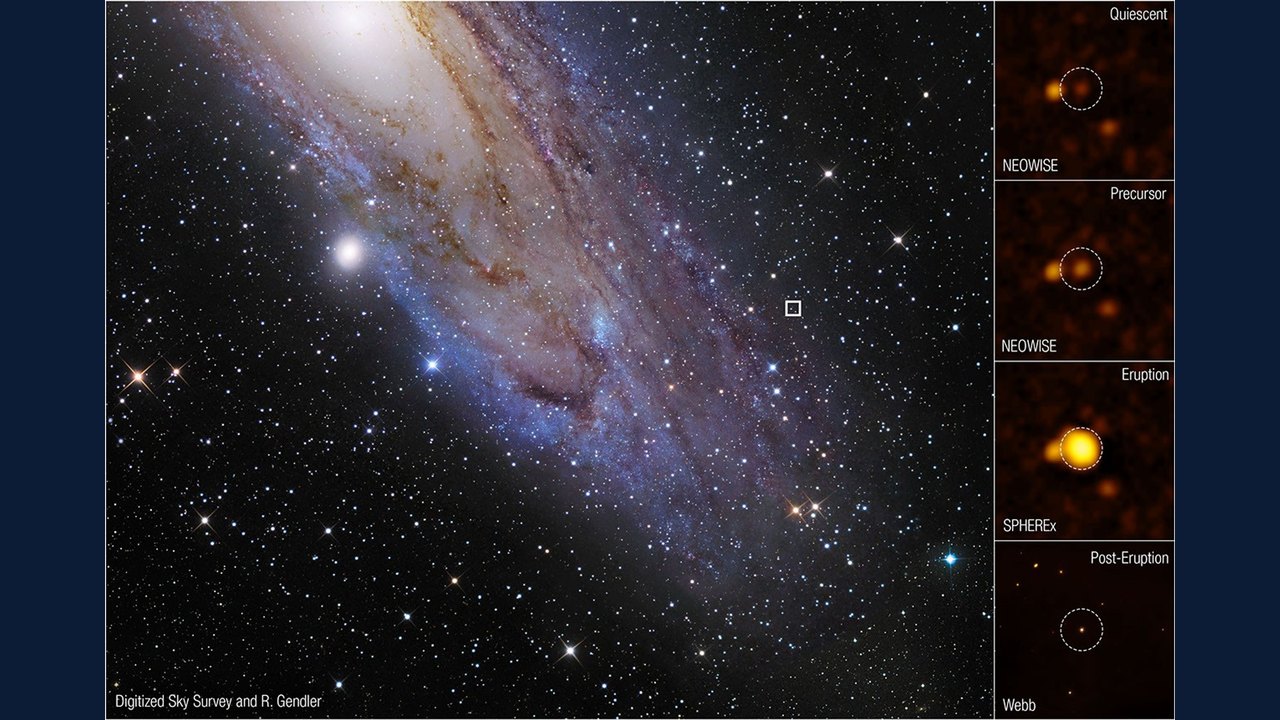
An astronomical feature detailed in a recent release highlights NGC 206, a large stellar association located within the neighboring Andromeda galaxy. According to the published information, this feature sits among the dusty spiral arms and pinkish star-forming regions of the galaxy, also cataloged as M31.
Astronomical context indicates that the Andromeda galaxy is approximately 2.5 million light-years away from Earth. NGC 206 itself is positioned in the southwestern extent of the galactic disk, appearing prominently in detailed telescopic observations due to its population of bright, blue stars that signify relative youth.
Key Characteristics of NGC 206
- Stellar Age: The youngest massive stars within NGC 206 are reported to be less than 10 million years old.
- Physical Scale: The stellar association spans an estimated 4,000 light-years across.
- Comparative Size: Its dimensions are noted to be comparable to other massive star-forming regions, such as NGC 604 in the spiral galaxy M33 and the Tarantula Nebula located in the Large Magellanic Cloud.
- Milky Way Contrast: NGC 206 is significantly larger than typical open or galactic star clusters found within the disk of our own Milky Way galaxy.
Practical Implications and Verification
Observations of distant stellar associations like NGC 206 contribute to broader astronomical studies regarding star formation rates, stellar evolution, and the comparative structures of neighboring spiral galaxies. Interested observers and researchers can verify the original announcement and view the associated visual materials by visiting the official NASA Astronomy Picture of the Day (APOD) archive website for the corresponding date.
AI-assisted reporting; source claims are attributed and have not been independently verified.
More to read
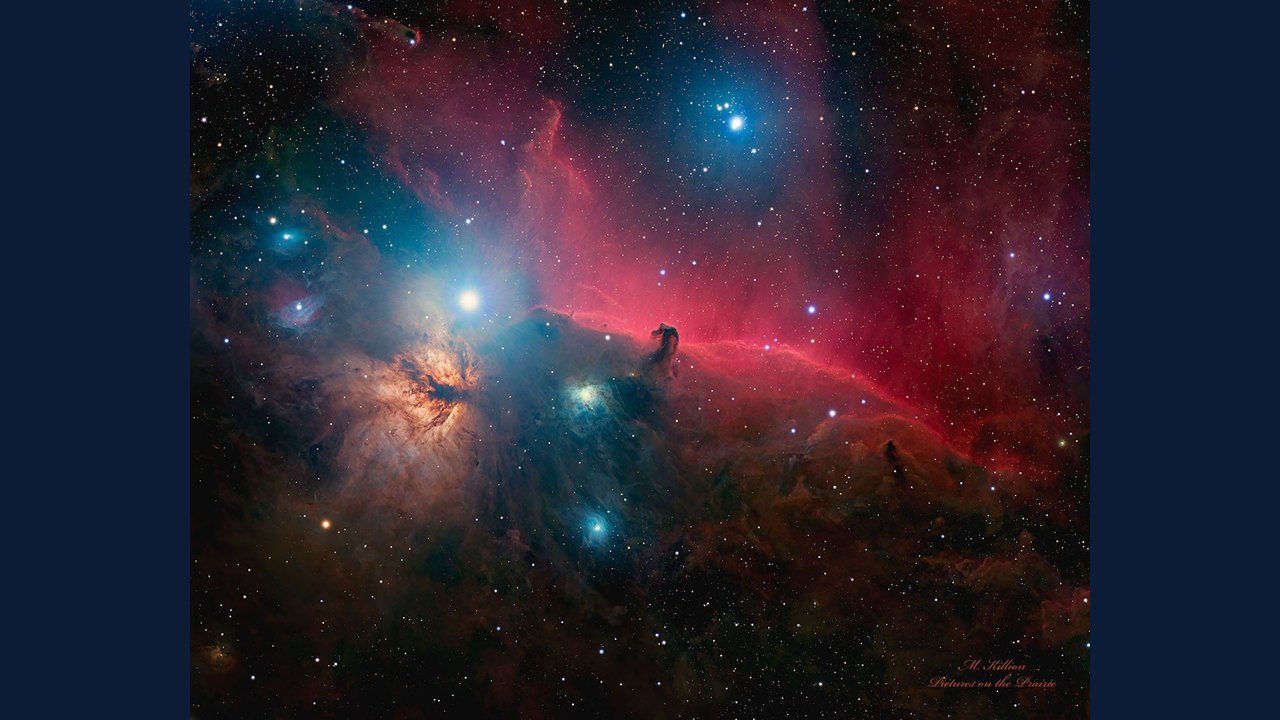 NASA Astronomy Picture Highlights Horsehead and Flame Nebulas in New Image
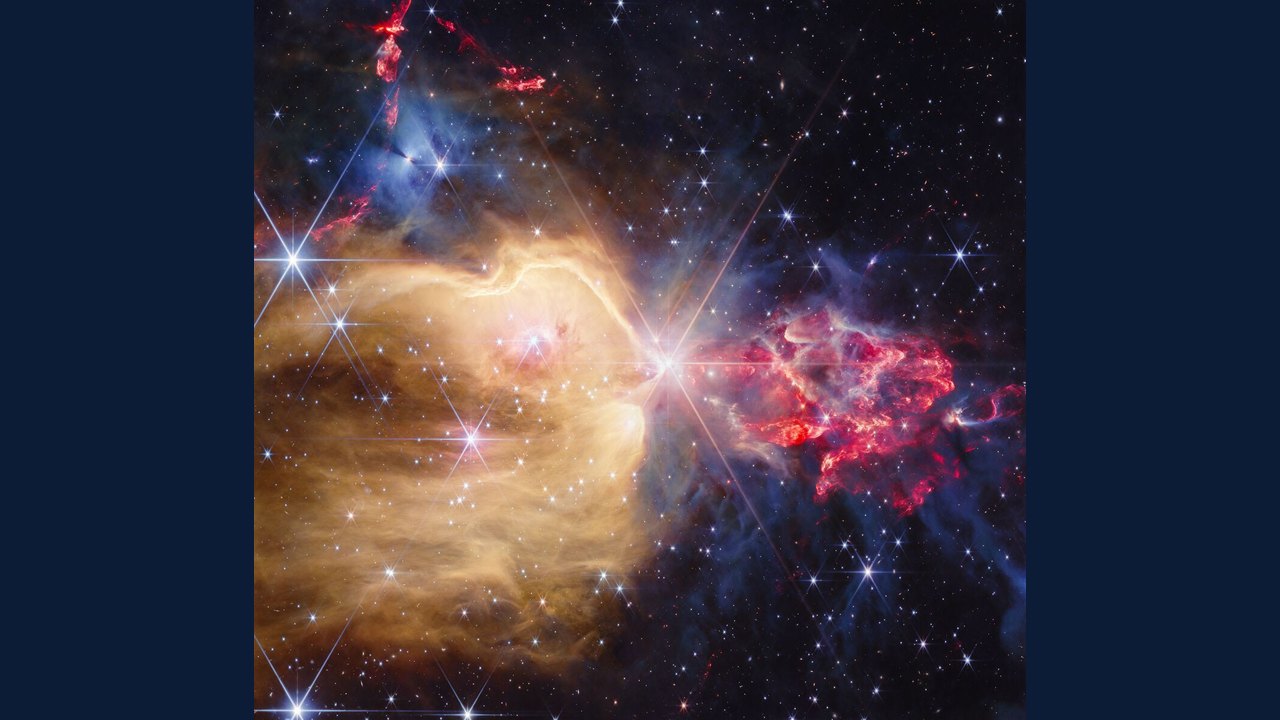 NASA's James Webb Space Telescope Captures Star Formation in NGC 7129
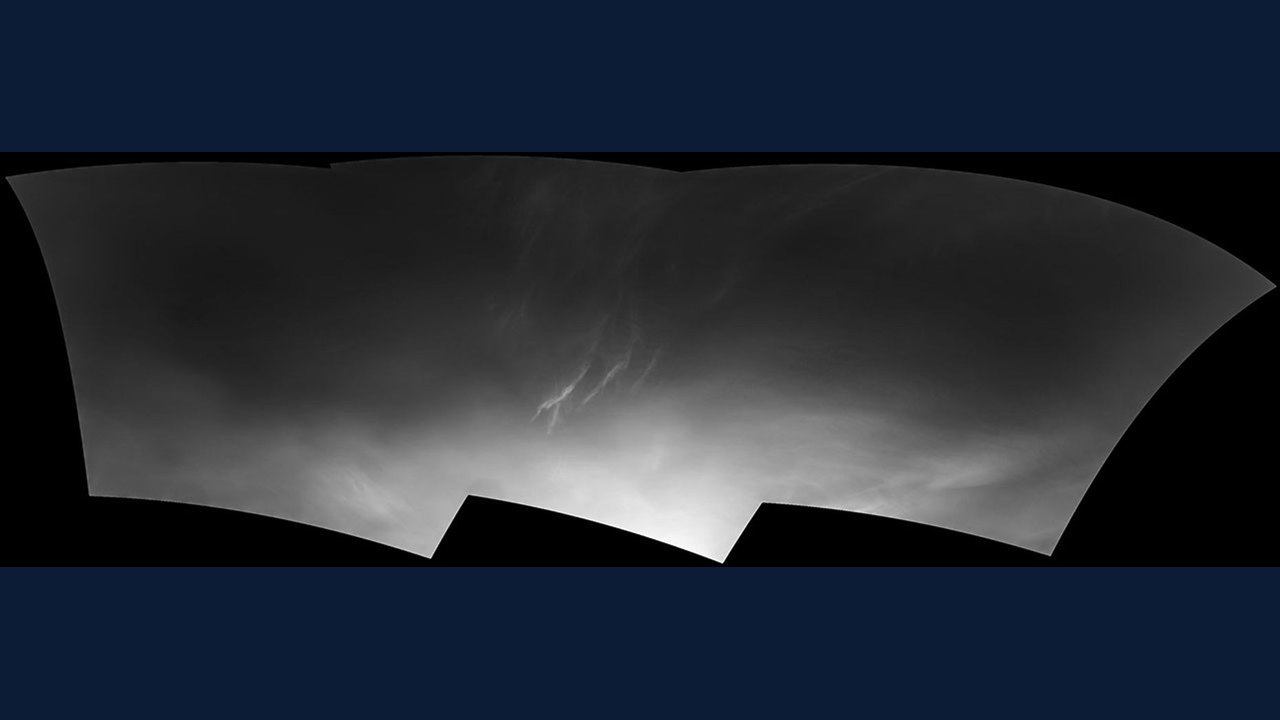 NASA's Curiosity Mars Rover Captures Drifting Twilight Clouds
 NASA Data Confirms First-of-Its-Kind Stellar Merger in Andromeda Galaxy