NASA Extends Voyager 1 Mission with Successful Power-Saving Operation
· GlobeWire Daily Editorial Desk · Source: www.indiatoday.in
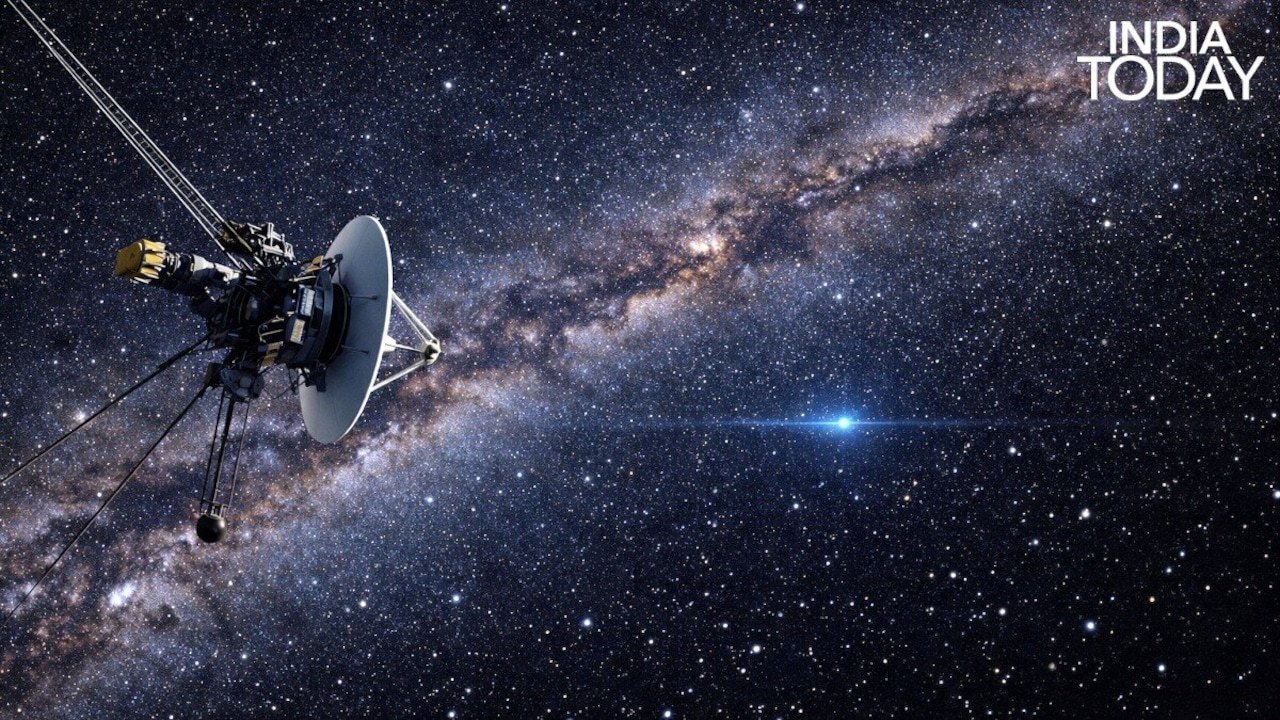
Image: India Today · Photo source · Resized and letterboxed to 16:9; no AI generation
NASA engineers have successfully completed a complex power-management procedure on the Voyager 1 spacecraft, dubbed 'Big Bang,' to extend the life of its remaining scientific instruments. Following a 48-hour communication silence in October, the agency confirmed that the probe remains operational as it continues its historic journey through interstellar space.
Sustaining a Deep-Space Pioneer
Launched in 1977, Voyager 1 is currently powered by radioisotope thermoelectric generators (RTGs). As the plutonium source decays, the spacecraft loses approximately four watts of electrical power annually. To mitigate this:
- Engineers switched off three high-consumption devices.
- These were replaced with lower-power alternatives to maintain internal thermal stability.
- The procedure ensures essential components avoid freezing while conserving limited energy.
Recent Communication Challenges
In mid-October, the Deep Space Network experienced a 48-hour gap in signal reception. Preliminary investigations suggest the spacecraft triggered an automated fault protection mechanism, causing it to switch to backup thrusters. Mission managers at the Jet Propulsion Laboratory are currently analyzing the interruption, noting that the spacecraft is entering a phase where unexpected behaviors are increasingly likely due to its age and distance.
Historic Milestones
Voyager 1 continues to travel at roughly 61,155 km/h. On November 18, 2026, the spacecraft is projected to reach the 'one light-day' milestone, situated 16.09 billion miles (25.89 billion kilometers) from Earth. At this distance, a single round-trip communication signal will take 48 hours. Official status updates and mission data can be verified through the official NASA Voyager website.
AI-assisted reporting; source claims are attributed and have not been independently verified.
More to read
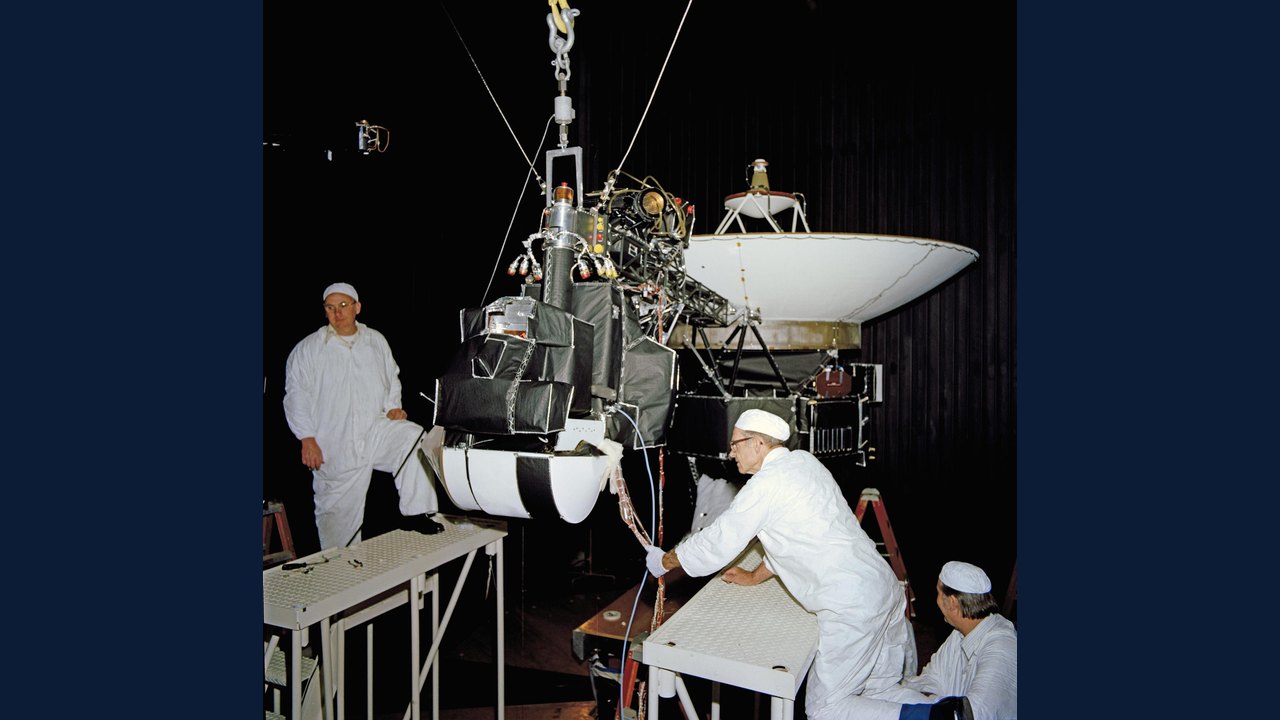 NASA’s Voyager 1 Conserves Power, Resolves Brief Communications Pause
 NASA Heat Shield Technology Enables Successful Re-entry for Varda Capsule
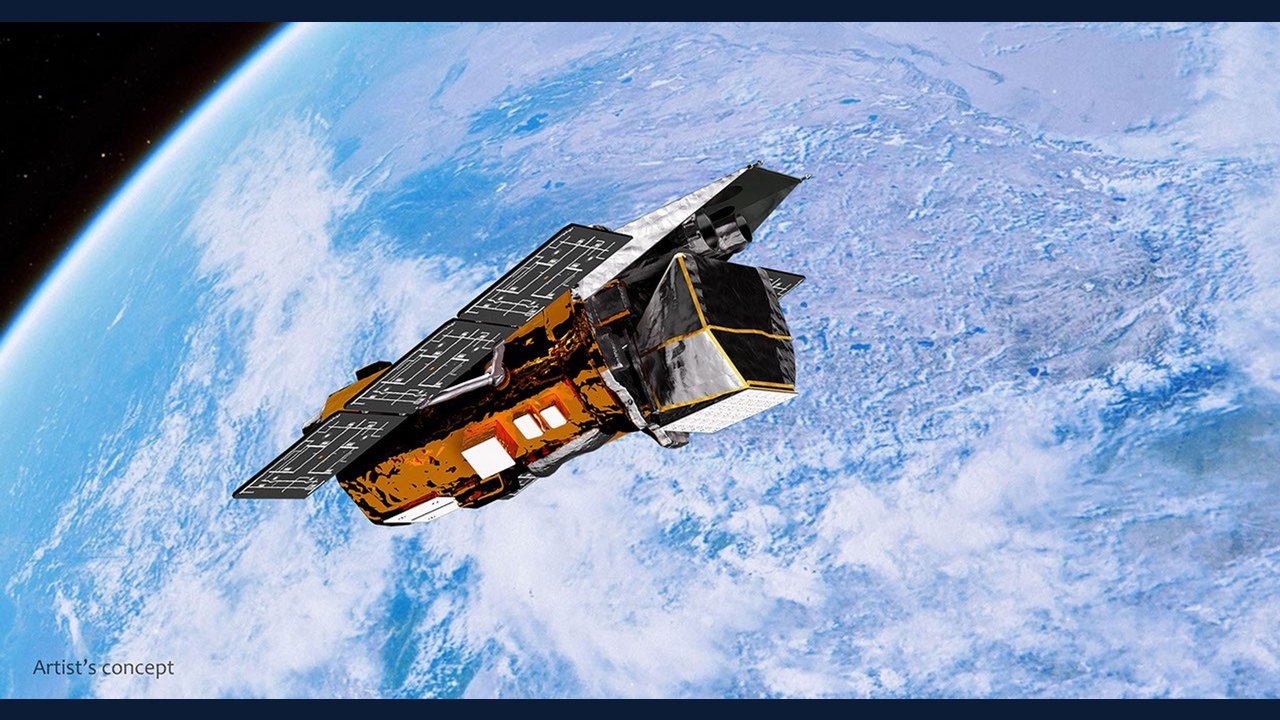 NASA’s Neil Gehrels Swift Observatory Concludes Landmark Science Mission
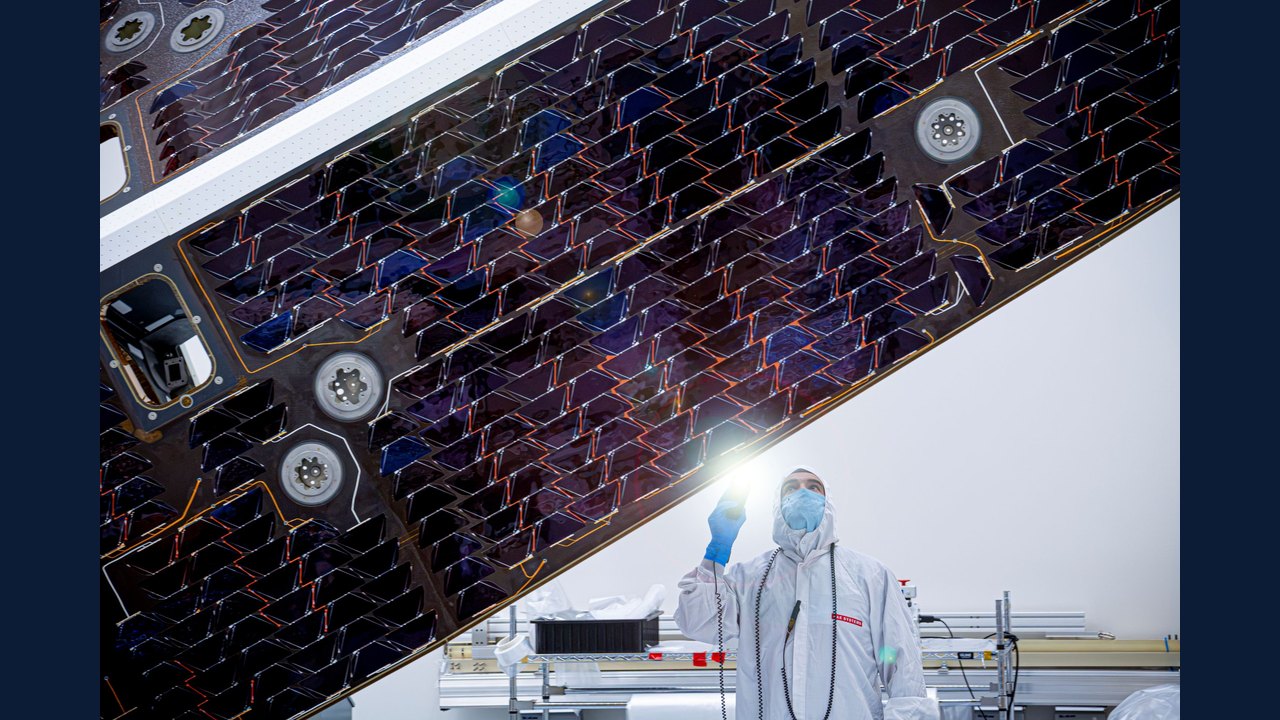 NASA Prepares Advanced Sunshade for Upcoming NEO Surveyor Mission
Trending on GlobeWire Daily
Selected from recent coverage and related topics; not live search rankings.
 Madhya Pradesh Government Plans Revenue Generation from 117-Year-Old Edward Villa in Mumbai Through Leasing
 iPhone 18 Pro Named TechRadar Product of the Year 2026
 Google Project Suncatcher Runs Gemma 4 AI on Orbiting Satellite and Receives First Response
 Gender Disparities in Eye Care Access Across India Examined
 Satellite Images Show Cyclone Arnab Weakening Over India As New System Brews
 Expanding Green and Blue Spaces Crucial for India's Economic and Public Health, Reports Indicate