NASA Issues New Request for Information to Explore Commercial Options to Rescue Hubble
· GlobeWire Daily Editorial Desk · Source: arstechnica.com

Image: Ars Technica · Photo source · Resized and letterboxed to 16:9; no AI generation
NASA has issued a Request for Information (RFI) seeking commercial proposals to reboost, service, or conduct a controlled disposal of the Hubble Space Telescope. Operating for 36 years, Hubble is gradually losing altitude as it lacks onboard propulsion and has not had its orbit raised since 2002. Without intervention, orbital dynamicists predict the observatory will plunge into the atmosphere and burn up in the early-to-mid-2030s, likely around 2033 or 2034, though forecasts can vary based on solar activity.
RFI Requirements and Timeline
- Submission Deadline: November 30
- Expected Mission Window: By 2032
- Target Altitude: At least 373 miles (600 km) to extend the telescope's orbital life by an estimated 25 years
- Contractor Responsibilities: Providing the launch vehicle, servicing spacecraft, mission operations, and crew if applicable
NASA emphasized that the mission must not harm the telescope. The agency is not currently committing to purchasing a rescue mission and has no funding allocated for procuring a reboost or servicing mission at this time. Instead, officials are gathering information on costs, technical capabilities, and industry interest.
Industry Context and Previous Proposals
This new RFI follows earlier exploratory steps. In 2022, commercial astronaut Jared Isaacman approached NASA with a notional concept for a crewed SpaceX Dragon servicing mission. NASA subsequently issued an RFI that year yielding eight responses, but ultimately decided in 2024 not to pursue a reboost mission at that time.
Since then, the commercial satellite servicing industry has matured, with companies developing advanced robotic capabilities and securing contracts with defense and space agencies. NASA officials noted that the maturing market and the timeline until Hubble's anticipated reentry prompted a fresh look at potential options. Additionally, NASA previously tested a commercial rescue approach with the smaller Swift telescope mission managed by Katalyst Space Technologies, which demonstrated that servicing missions do not necessarily require billions of dollars, though Hubble represents a significantly larger and more complex asset.
Practical Implications and Verification
- Scientific Value: NASA leadership notes that extending Hubble's life would provide continued observations in visible and ultraviolet light, complementing infrared observatories like James Webb until future successors like the Habitable Worlds Observatory launch in the 2040s.
- Verification: Interested commercial entities and the public can review the official RFI documentation directly through NASA's procurement announcements and agency statements released in late 2026.
AI-assisted reporting; source claims are attributed and have not been independently verified.
More to read
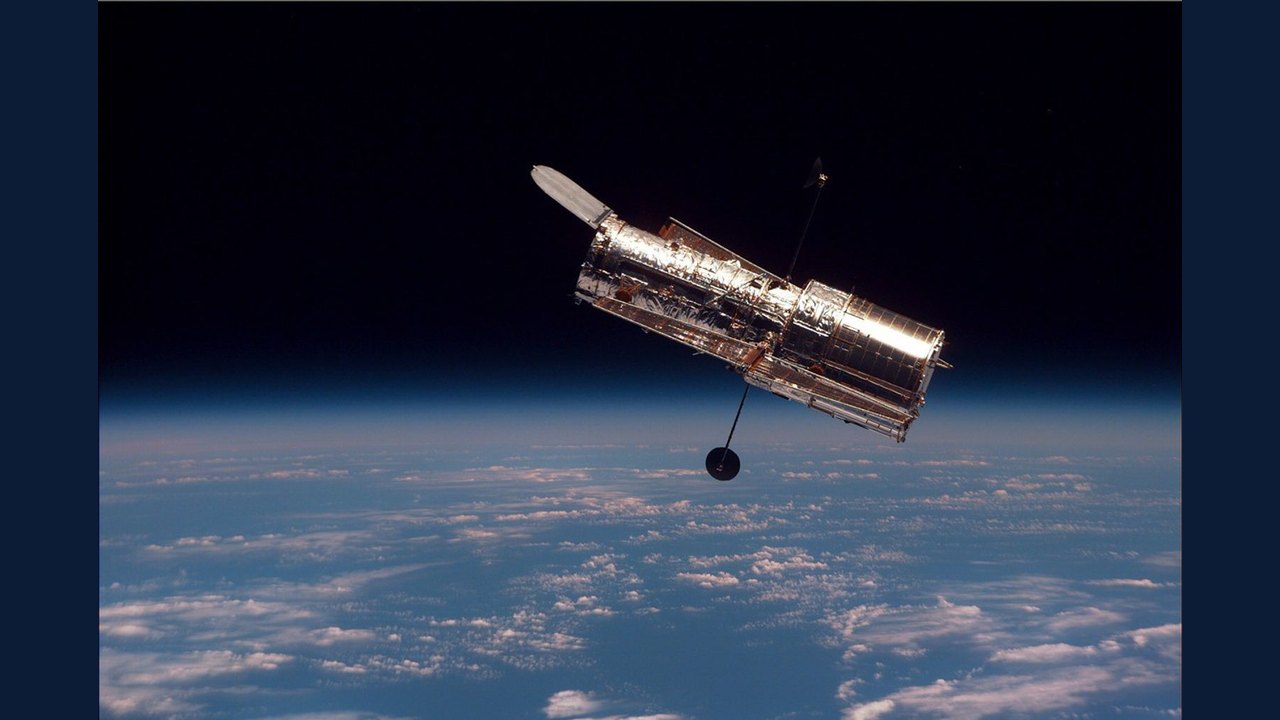 NASA Seeks Commercial Proposals for Hubble Space Telescope Servicing
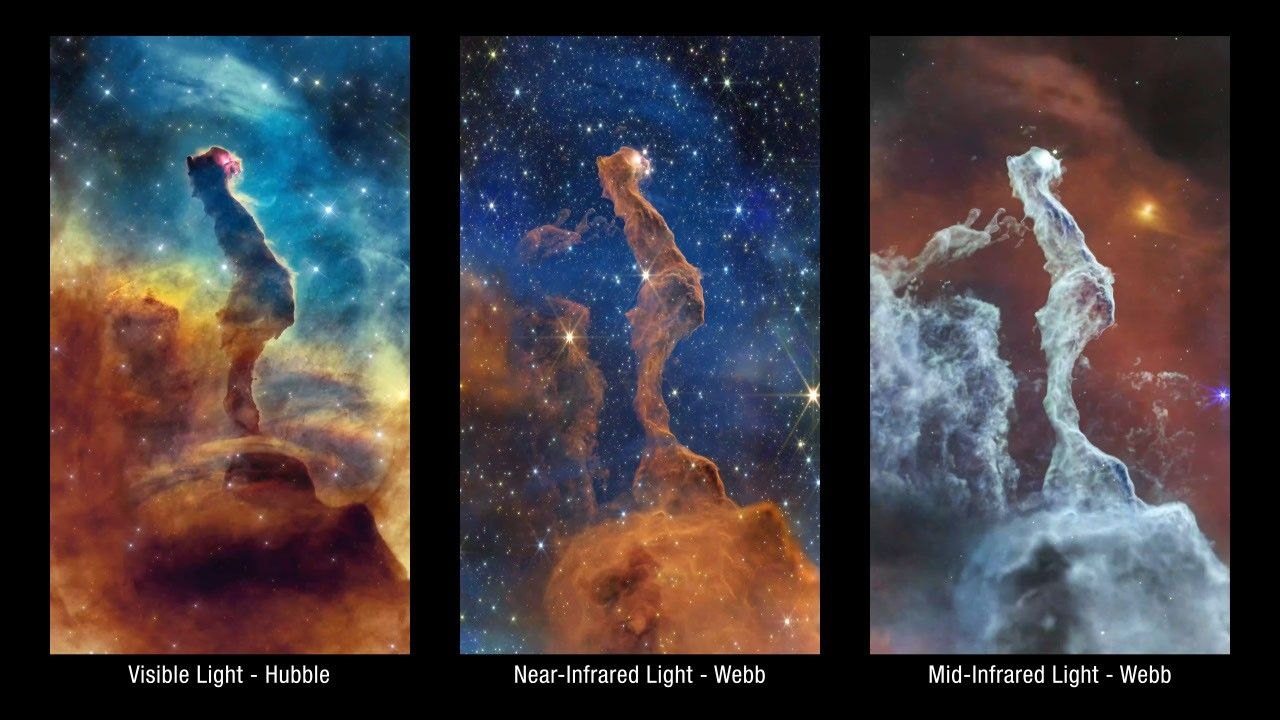 NASA's Hubble and Webb Telescopes Capture Star-Forming Cat's Head Nebula
 NASA's Hubble Space Telescope Captures Detailed View of the Cat's Head Nebula
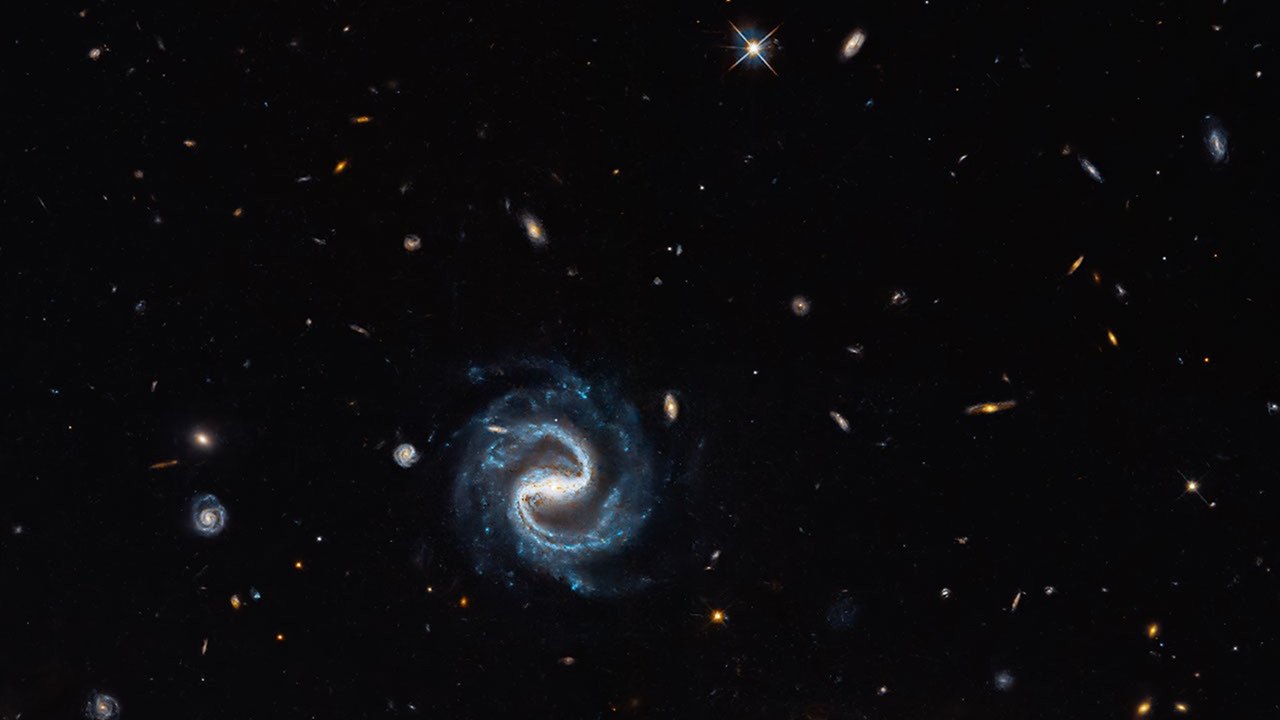 NASA's Hubble Space Telescope Lays Groundwork for Future Roman Space Observations
Trending on GlobeWire Daily
Selected from recent coverage and related topics; not live search rankings.
 Madhya Pradesh Government Plans Revenue Generation from 117-Year-Old Edward Villa in Mumbai Through Leasing
 iPhone 18 Pro Named TechRadar Product of the Year 2026
 Google Project Suncatcher Runs Gemma 4 AI on Orbiting Satellite and Receives First Response
 Gender Disparities in Eye Care Access Across India Examined
 Satellite Images Show Cyclone Arnab Weakening Over India As New System Brews
 Expanding Green and Blue Spaces Crucial for India's Economic and Public Health, Reports Indicate