NASA Outlines Coverage Plans for Upcoming Northrop Grumman CRS-25 Space Station Resupply Mission
· GlobeWire Daily Editorial Desk · Source: www.nasa.gov
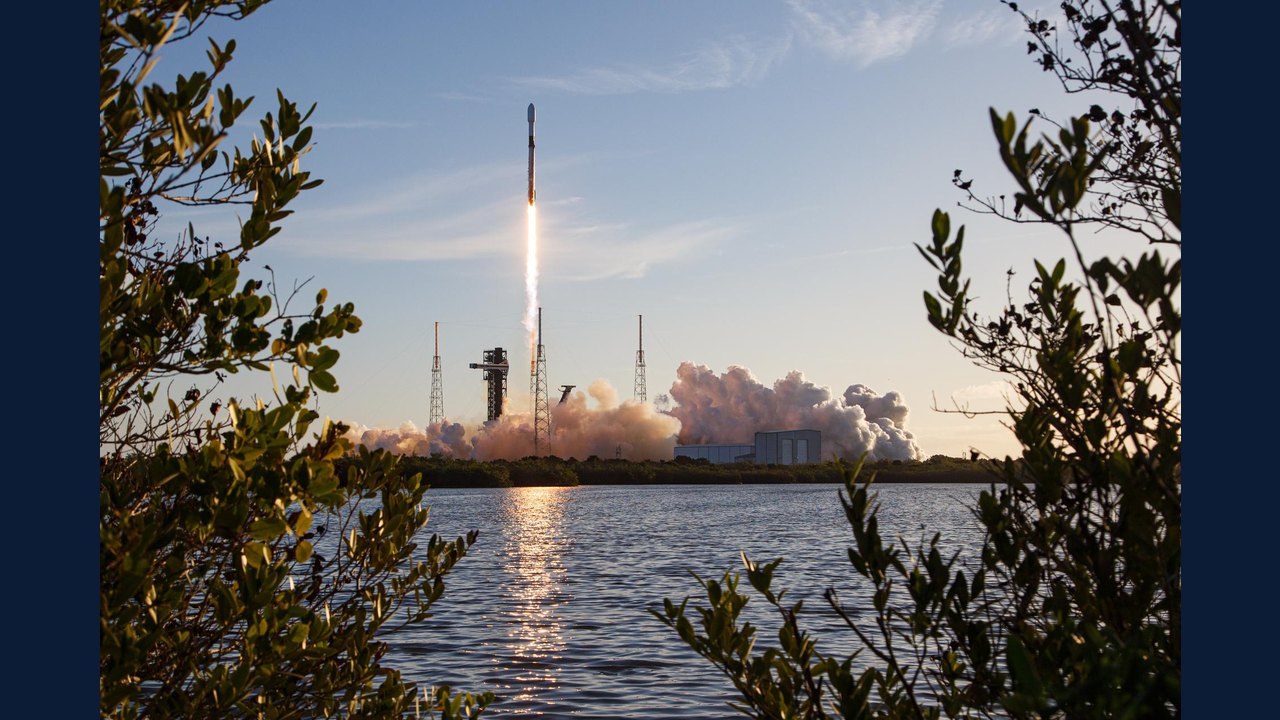
Image: NASA · Photo source · Resized and letterboxed to 16:9; no AI generation
NASA, Northrop Grumman, and SpaceX are targeting no earlier than 10:47 a.m. EST on Sunday, November 29, for the launch of the Northrop Grumman CRS-25 resupply mission to the International Space Station. The flight will deliver approximately 11,000 pounds of science investigations, supplies, and equipment.
According to the announced plans, a SpaceX Falcon 9 rocket will carry the Northrop Grumman Cygnus XL spacecraft—named the S.S. James “Jim” A. Lovell in honor of the former NASA astronaut—from Space Launch Complex 40 at Cape Canaveral Space Force Station in Florida.
Mission Timeline and Key Events
- Nov. 23: A prelaunch media teleconference is scheduled for 12 p.m. on NASA’s YouTube channel with representatives from NASA, Northrop Grumman, and SpaceX.
- Dec. 1: NASA astronauts Jessica Watkins and Luke Delaney are expected to use the Canadarm2 robotic arm to capture the Cygnus XL spacecraft upon its arrival.
- Station Integration: Ground controllers plan to install the spacecraft to the Earth-facing port of the Unity module for cargo unloading.
- Departure Schedule: The spacecraft is scheduled to remain docked until May 2027, before departing with unneeded items for a destructive re-entry.
Scientific Research Aboard
The cargo includes investigations aimed at improving drug delivery methods for cancer and osteoarthritis, predicting cancer spread, advancing treatments for muscle loss, enhancing radiation sensing, and improving food production techniques for long-duration space missions.
How to Watch and Verify
NASA has announced plans to stream prelaunch briefings, launch day activities, and docking coverage across multiple platforms, including NASA+, the agency's website, and its YouTube channel. Members of the public can also register for NASA's virtual guest program to receive curated resources and a digital passport stamp.
Verification of official updates, schedules, and media credentialing policies can be conducted through the official NASA news releases, the International Space Station blog, and NASA’s primary social media accounts.
AI-assisted reporting; source claims are attributed and have not been independently verified.
More to read
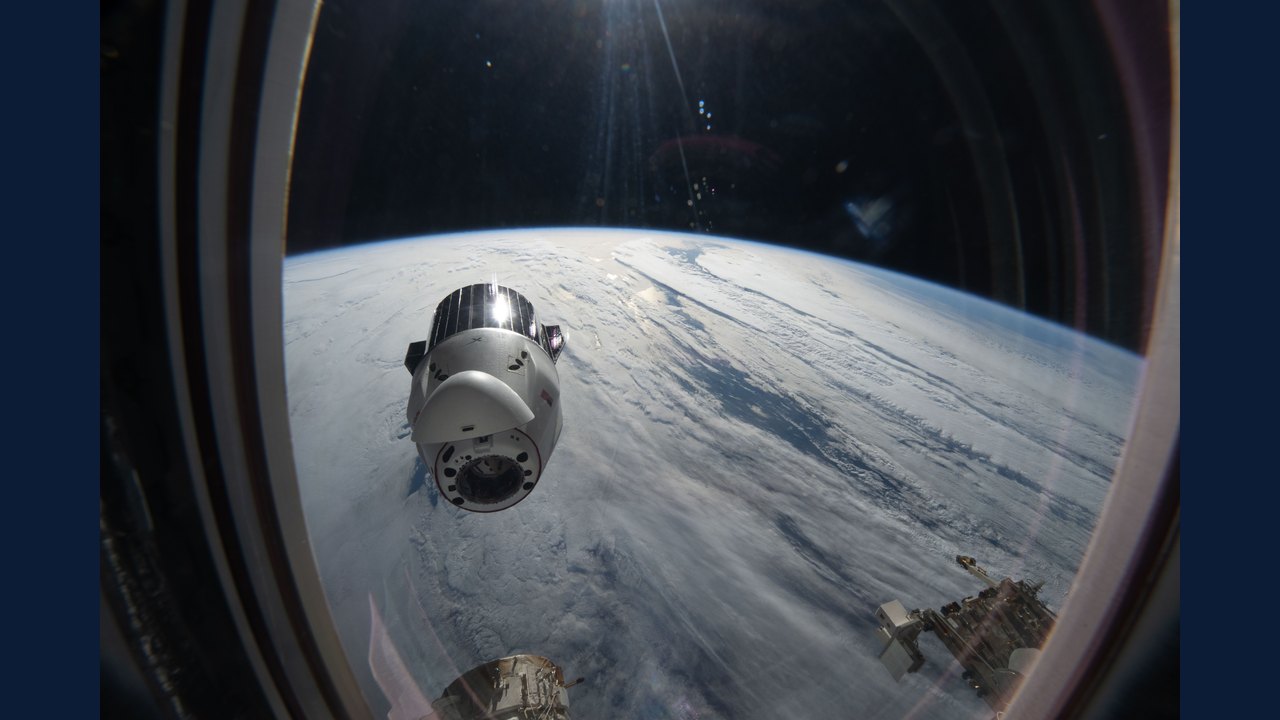 NASA to Cover 35th SpaceX Resupply Mission Space Station Departure
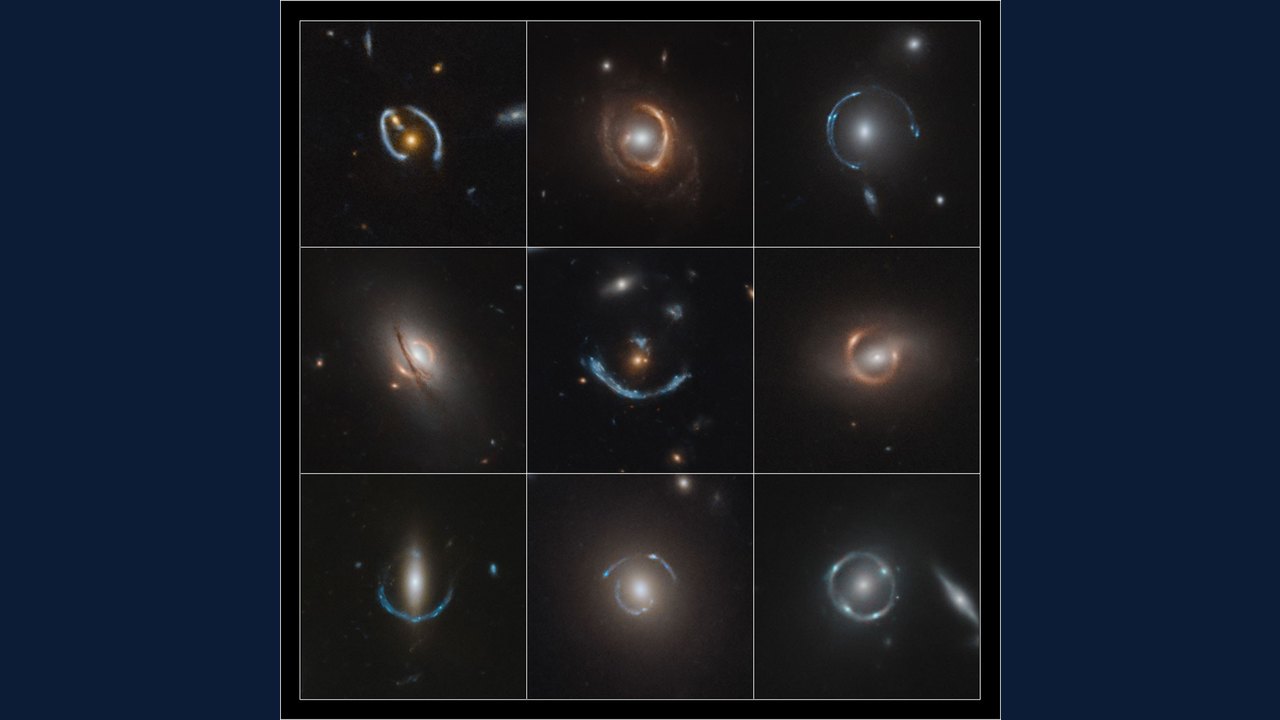 NASA's Hubble Space Telescope Surveys Cosmic Lenses for Future Roman Mission
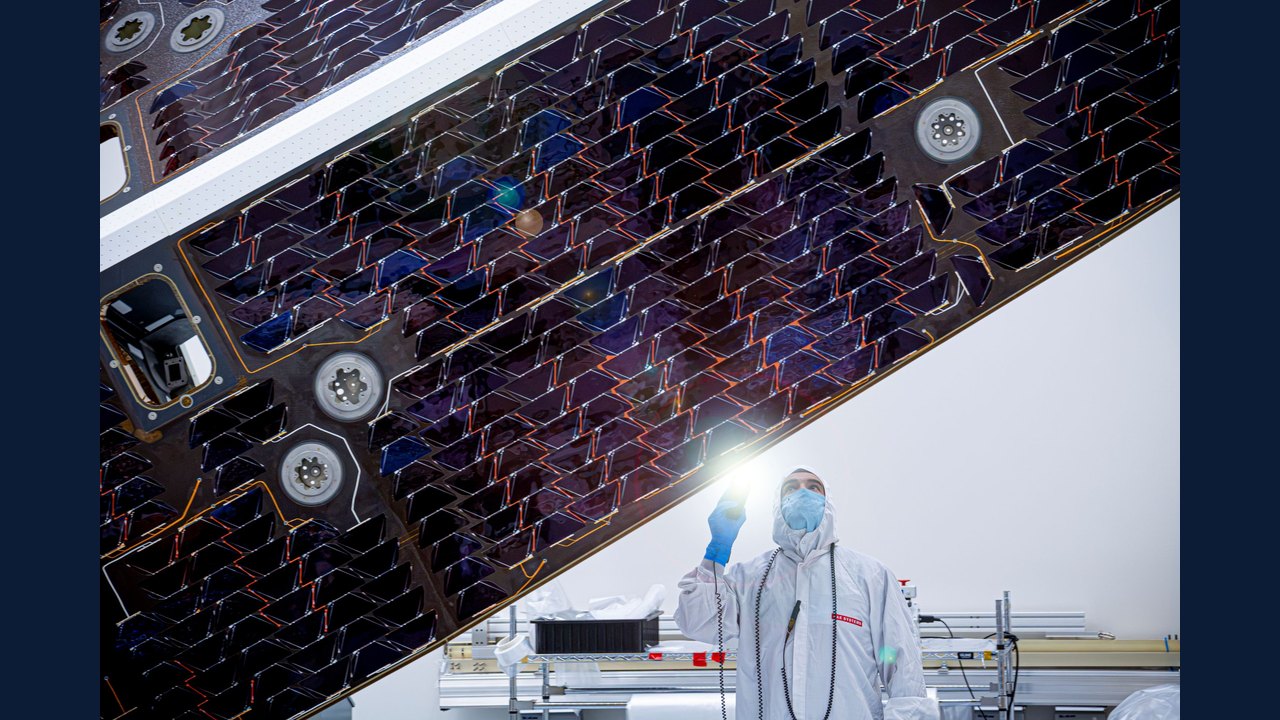 NASA Prepares Advanced Sunshade for Upcoming NEO Surveyor Mission
 NASA Outlines Artemis 3 Mission Plan Involving Three Separate Rocket Launches