NASA to Cover 35th SpaceX Resupply Mission Space Station Departure
· GlobeWire Daily Editorial Desk · Source: www.nasa.gov
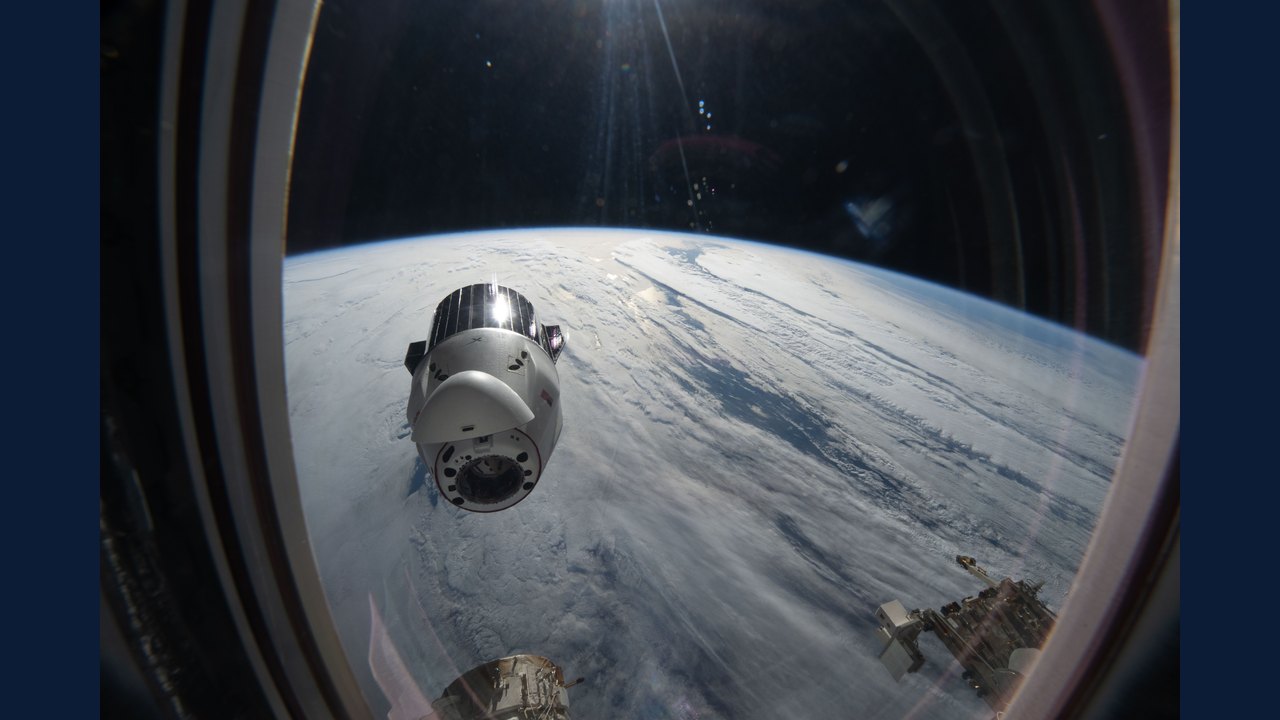
Image: NASA · Photo source · Resized and letterboxed to 16:9; no AI generation
NASA and its international partners are scheduled to receive scientific research samples and hardware as a SpaceX Dragon spacecraft departs the International Space Station no earlier than Wednesday, Nov. 18, for its return to Earth. The mission's timeline remains subject to weather conditions at the splashdown site.
Undocking and Return Timeline
According to mission plans, the uncrewed Dragon spacecraft is scheduled to undock from the Harmony module’s space-facing port at 11:05 a.m. EST on Wednesday, Nov. 18. Ground controllers at SpaceX’s facility in Hawthorne, California, will send the command for undocking.
- NASA Live Coverage Start: 10:45 a.m. EST on Wednesday, Nov. 18
- Undocking Time: 11:05 a.m. EST
- Targeted Splashdown: No earlier than 1:50 a.m. EST on Thursday, Nov. 19 (10:50 p.m. PST Nov. 18) off the California coast
NASA will stream the undocking and departure procedures across multiple digital platforms. However, the agency will not stream the final splashdown event, instead providing updates through the official space station blog as teams monitor recovery area weather conditions.
Cargo and Scientific Research
The returning SpaceX Dragon spacecraft carries thousands of pounds of cargo, including completed scientific investigations and hardware intended to support future space exploration and earthly applications:
- 3D-Bioprinted Blood Vessel Constructs: Utilized to study vascular aging and cardiovascular disease.
- Frozen Tumor Organoids: Treated aboard the station to assist researchers in identifying new cancer treatments and advancing personalized medicine.
- Microbial Samples: Frozen samples intended to help scientists understand how antibiotic-resistant bacteria survive and evolve in microgravity.
- Lighting System Hardware: Returning after operating for more than three years to test its effectiveness in supporting astronaut sleep and well-being on long-duration flights.
Mission Background
The spacecraft originally arrived at the orbiting laboratory on Oct. 15, carrying more than 6,300 pounds of crew supplies, equipment, and science investigations. It had launched two days prior on a Falcon 9 rocket from Space Launch Complex 40 at Cape Canaveral Space Force Station in Florida as part of NASA’s 35th commercial resupply services mission.
Continuous human habitation aboard the International Space Station has surpassed 26 years, facilitating microgravity research that contributes to low Earth orbit commercialization and preparations for future Artemis exploration to the Moon and Mars.
Verification and Further Information
Observers can verify launch and departure schedules, watch NASA broadcasts, and read mission updates through official NASA channels, including the space station blog and the dedicated mission page at nasa.gov/mission/nasas-spacex-crs-35.
AI-assisted reporting; source claims are attributed and have not been independently verified.
More to read
 NASA Outlines Coverage Plans for Upcoming Northrop Grumman CRS-25 Space Station Resupply Mission
 NASA's Hubble Space Telescope Surveys Cosmic Lenses for Future Roman Mission
 SpaceX's Starship Development Poses Future Challenges for NASA's Access to Space
 SpaceX Shifts Focus Away From Traditional NASA Contracts Toward AI and Starship, Raising Questions for US Space Policy