SpaceX's Starship Development Poses Future Challenges for NASA's Access to Space
· GlobeWire Daily Editorial Desk · Source: www.npr.org

Original GlobeWire Daily editorial illustration — not an event photograph.
SpaceX is planning an ambitious test flight for its massive Starship rocket, aiming to lift off from South Texas, circle Earth, and land vertically back at the pad. While company founder Elon Musk envisions Starship carrying astronauts to Mars in the future, industry experts report that the rapid advancement of the new rocket could leave NASA with potential access challenges.
Potential Impacts on NASA and the Falcon 9
As SpaceX scales up Starship production, company officials have indicated plans to eventually phase out the smaller Falcon 9 rocket. Currently, the Falcon 9 launches the Crew Dragon capsule, which serves as the primary American spacecraft transporting NASA astronauts to and from the International Space Station (ISS).
- Current NASA Contract: According to a September NASA announcement, the agency has contracted three additional flights to the ISS, extending Dragon operations through 2028 under current agreements.
- Industry Analysis: Analysts note that building human-rated space capsules is time-consuming and expensive, and NASA remains one of the few entities willing to pay for this capability.
- Commercial Market: Experts point out that a robust commercial market for human spaceflight outside of government contracts has not fully materialized.
Shifting Business Priorities
SpaceX has evolved significantly since its early days in 2008, when NASA contracts helped rescue the company from financial distress. Today, the company's revenue streams are heavily driven by its Starlink satellite internet service and artificial intelligence business initiatives.
- Revenue Diversification: Financial reports indicate that Starlink and newer business sectors generate substantially more revenue than traditional space launches.
- Starship Applications: SpaceX is already utilizing Starship to deploy newer V3 Starlink satellites into orbit.
- Strategic Shift: Company leadership, including President Gwynne Shotwell, has emphasized the need to transition from older technologies like the Falcon 9 and Dragon—likened to a "minivan"—to newer systems suited for deep space exploration.
Broader Implications and Verification
Beyond human spaceflight, the eventual retirement of the Falcon rocket could impact commercial launch capacity and national security payloads. Quilty Space analysis suggests potential gaps in commercial launches through 2030, though the U.S. Space Force has stated it secured Falcon 9 launches through 2028 and remains confident in alternative suppliers.
- Timeline Uncertainty: SpaceX has not formally specified an exact retirement date for the Falcon 9.
- Alternative Providers: Company representatives have pointed to other aerospace participants, such as Boeing and its Starliner spacecraft, as potential alternatives for station transport once operational hurdles are addressed.
- Verification: Readers can verify official launch updates, contract disclosures, and agency statements directly through NASA's public press releases and SpaceX's official announcements.
AI-assisted reporting; source claims are attributed and have not been independently verified.
More to read
 SpaceX Shifts Focus Away From Traditional NASA Contracts Toward AI and Starship, Raising Questions for US Space Policy
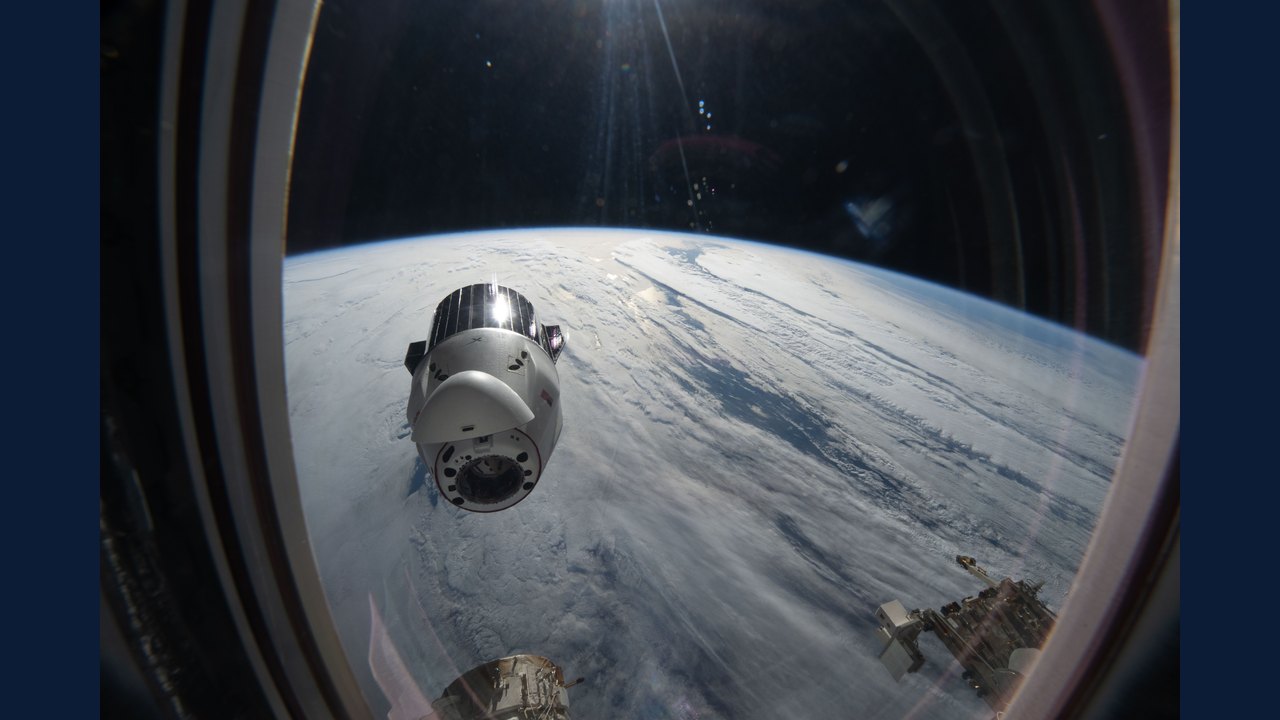 NASA to Cover 35th SpaceX Resupply Mission Space Station Departure
 NASA's Hubble Space Telescope Surveys Cosmic Lenses for Future Roman Mission
 How a Mentor at NASA's Johnson Space Center Shapes Future Aerospace Talent