NASA’s Curiosity Rover Encounters Recurring Polygonal Rock Patterns on Mount Sharp
· GlobeWire Daily Editorial Desk · Source: science.nasa.gov
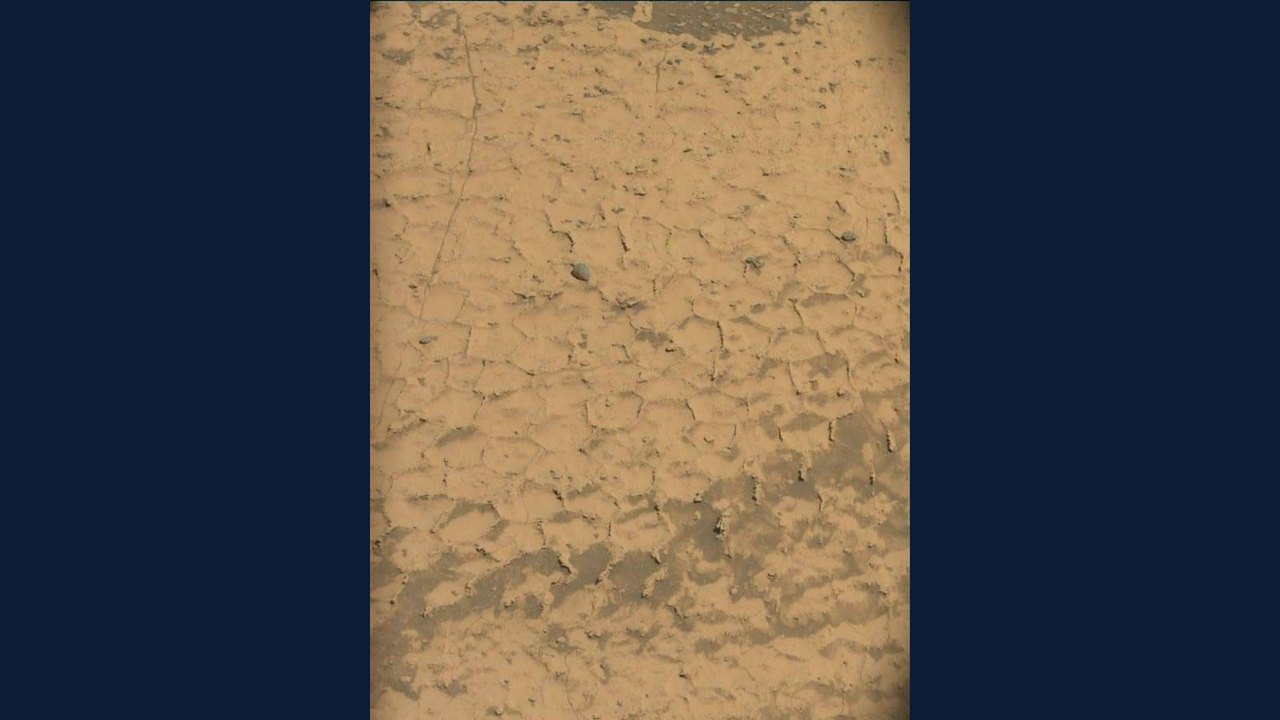
Image: NASA Science · Photo source · Resized and letterboxed to 16:9; no AI generation
Mission Progress: Climbing Mount Sharp
After completing an intensive period of drilling and analysis at the "Basque Lakes" and "Nazca" sites, NASA’s Curiosity rover is resuming its ascent of Mount Sharp. The mission team is now shifting focus toward the Yardang unit, utilizing remote sensing instruments—including APXS, ChemCam, MAHLI, and Mastcam—to document the mineralogy and physical characteristics of the terrain encountered during the climb.
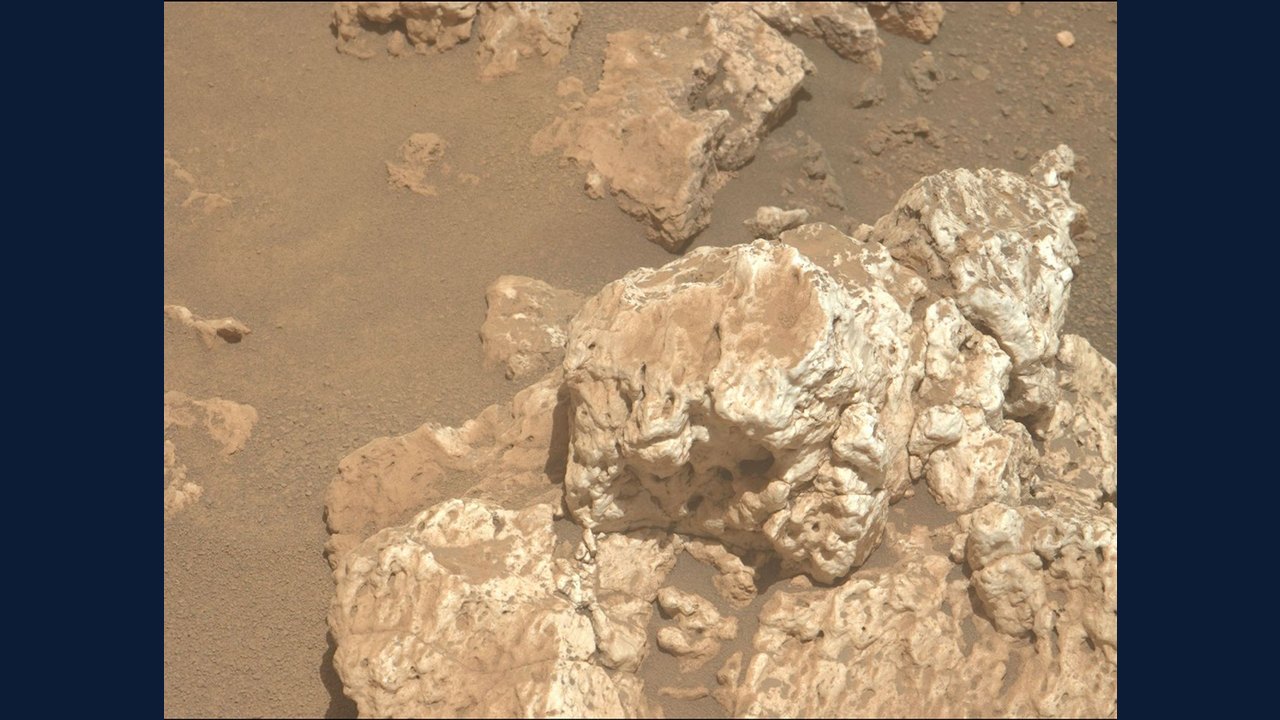
Scientific Observations of Polygonal Textures
During the most recent sols, Curiosity documented rocks featuring recurring, small-scale polygonal patterns with raised ridges. These formations mirror textures observed previously at lower elevations. Researchers are currently evaluating several hypotheses regarding the origin of these structures, including:
- Mineral shrinkage resulting from the loss of water.
- Temperature-driven cycling.
- Compaction and expansion processes related to burial and subsequent exposure.
Data collected this week will aid scientists in identifying the composition of the cements forming the raised ridges, offering further insight into the historical habitability of the region.
Outlook for Future Exploration
Based on orbital imagery, the mission team anticipates encountering further instances of these polygonal textures as the rover proceeds along its planned route. While projections suggest these features may become more pronounced, the team acknowledges that Martian geology frequently presents unforeseen characteristics. The mission status and ongoing updates regarding instrument data can be verified via official NASA mission logs.
AI-assisted reporting; source claims are attributed and have not been independently verified.
More to read
 NASA's Curiosity Mars Rover Captures Drifting Twilight Clouds
 NASA Releases Collage Highlighting 49 Drill Holes Made by Curiosity Mars Rover
 NASA's Curiosity Rover Prepares to Drill at 'Nazca' Site to Investigate Martian Crystal Forms
 NASA's Perseverance Rover Discovers Hydrated Silica Rocks at 'Idubi' on Mars