NASA Unveils 'Ignition' Initiatives for National Space Policy
· GlobeWire Daily Editorial Desk · Source: www.nasa.gov
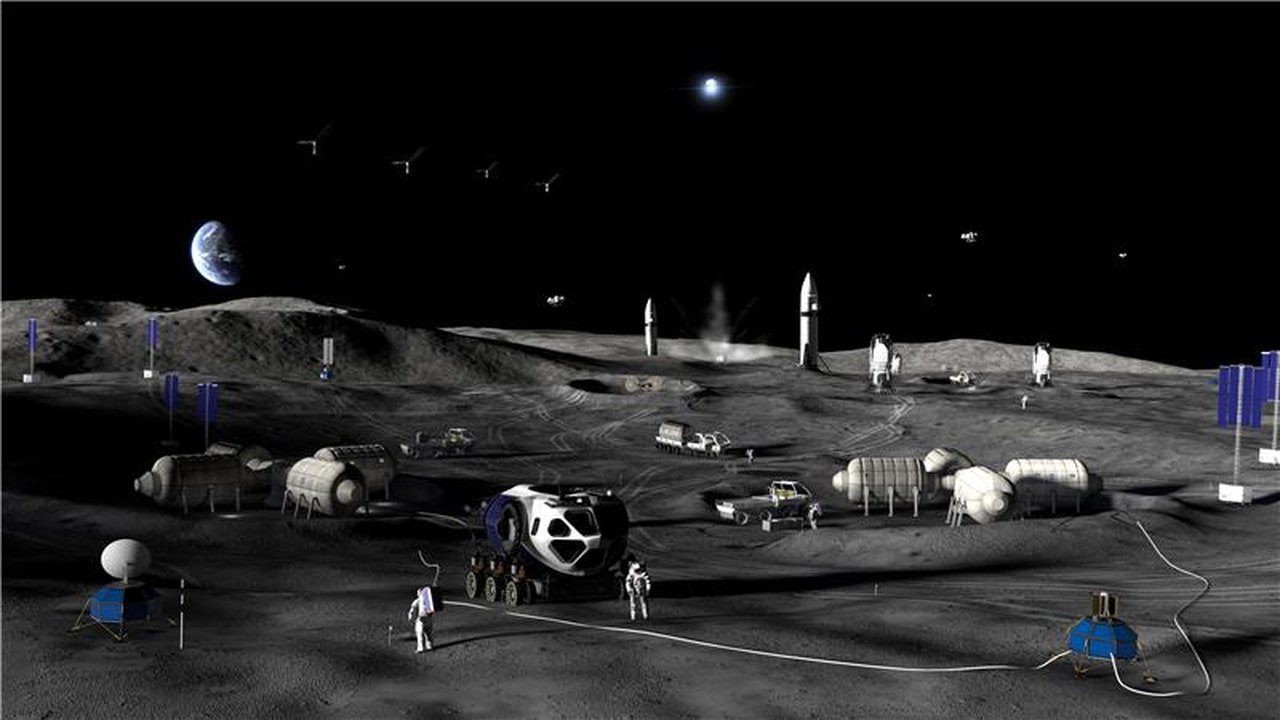
Image: NASA · Photo source · Resized and letterboxed to 16:9; no AI generation
Strategic Shift to Lunar Operations
NASA has launched a series of initiatives under its "Ignition" event to align with the National Space Policy. The agency aims to establish a sustainable lunar presence through a phased architecture, moving away from infrequent, bespoke missions toward a repeatable, modular approach.
- Phase One: Increased frequency of robotic deliveries via CLPS and LTV programs to advance mobility and scientific investigations.
- Phase Two: Establishment of early infrastructure, incorporating international contributions like JAXA’s pressurized rover.
- Phase Three: Development of a permanent lunar base utilizing cargo-capable Human Landing Systems and modules from international partners.
NASA intends to pause current Gateway plans to focus on infrastructure that enables sustained surface operations. Artemis III remains scheduled for 2027, with a focus on testing integrated systems in Earth orbit.
Low Earth Orbit and Commercial Strategy
NASA is introducing a new strategy for low Earth orbit (LEO) that leverages the International Space Station (ISS) to mature a commercial ecosystem. The agency proposes a government-owned Core Module attached to the ISS, which would eventually transition into free-flying commercial stations. NASA will release Requests for Information (RFIs) starting March 25 to gather industry feedback on partnership structures.
Advancing Science and Nuclear Propulsion
NASA is accelerating its science portfolio, including:
- Space Reactor-1 Freedom: A nuclear-powered spacecraft targeting a 2028 mission to Mars.
- Upcoming Missions: The Nancy Grace Roman Space Telescope launch and the 2028 deployment of the Rosalind Franklin Rover to Mars.
- Scientific Outreach: Expanded opportunities for students and researchers to contribute instruments to future lunar and Martian missions.
Workforce Rebuilding
To support these objectives, NASA is transitioning contractor roles to civil service positions and embedding subject-matter experts within its supply chain to accelerate production and resolve technical obstacles.
AI-assisted reporting; source claims are attributed and have not been independently verified.
More to read
 SpaceX Shifts Focus Away From Traditional NASA Contracts Toward AI and Starship, Raising Questions for US Space Policy
 NASA Stennis Space Center Honors Employees at Annual Awards Ceremony
 NASA Outlines Coverage Plans for Upcoming Northrop Grumman CRS-25 Space Station Resupply Mission
 NASA Completes Construction of the Nancy Grace Roman Space Telescope Ahead of Planned Launch