Vietnam Becomes 38th Signatory to the NASA-Led Artemis Accords
· GlobeWire Daily Editorial Desk · Source: www.nasa.gov
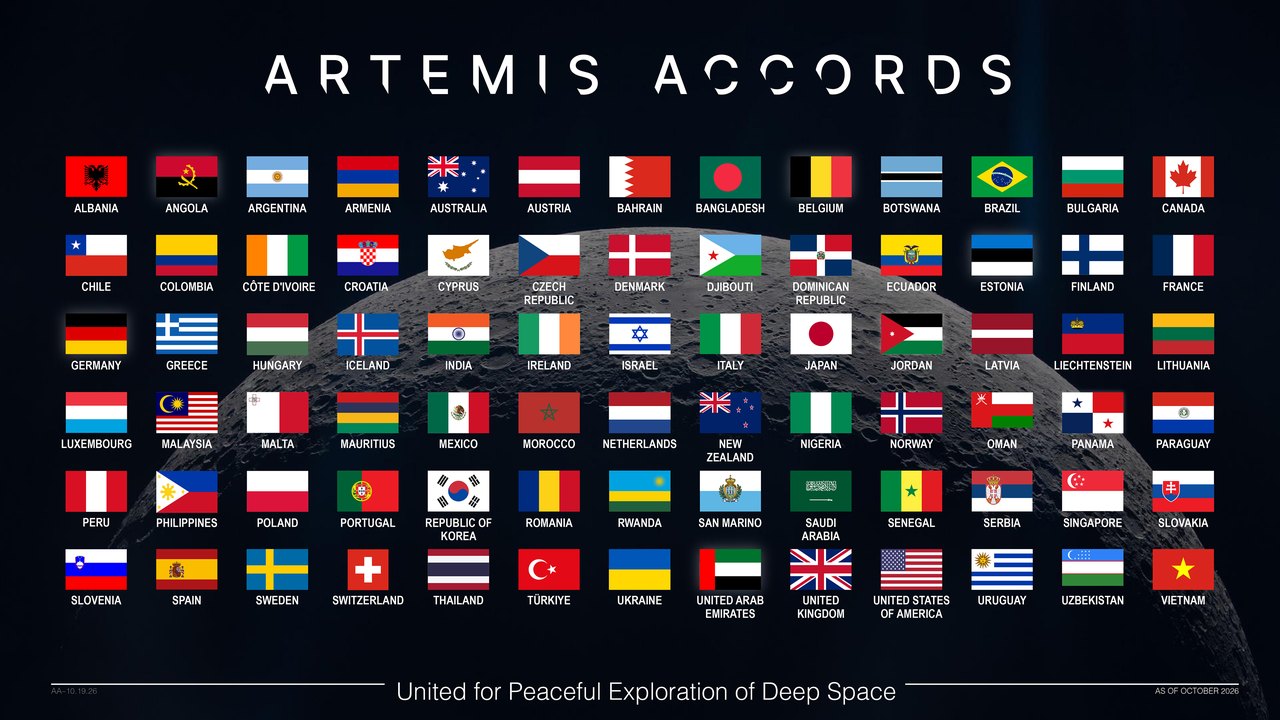
Image: www.nasa.gov · Photo source · Cropped to 16:9; original source image
Vietnam Joins the Artemis Accords
The Socialist Republic of Vietnam has officially become a signatory to the Artemis Accords, joining an international coalition dedicated to the peaceful, transparent, and responsible exploration of space. The signing ceremony took place during the Vietnam International Digital Week in Ha Long, where Vietnam’s Minister of Science and Technology, Vũ Hải Quân, signed the agreement on behalf of the nation. United States Ambassador to Vietnam Jennifer Wicks also participated in the event.
NASA Deputy Administrator Matt Anderson addressed the ceremony via recorded remarks, highlighting Vietnam's growing domestic capabilities. “Vietnam is joining at an important point in the development of its own space program,” Anderson said, noting existing collaboration in satellite innovation, land-use research, and radar-based Earth observation between NASA and the Vietnam National Space Center.
Broadening Bilateral Cooperation and Space Capabilities
Vietnam's accession to the accords extends the existing U.S.-Vietnam Comprehensive Strategic Partnership into space exploration. The bilateral relationship, built over three decades, encompasses defense, economic collaboration, law enforcement, war legacy remediation, and technological cooperation.
Vietnam has steadily advanced its domestic space infrastructure in recent years. The country inaugurated its National Space Center in Hanoi and is actively developing domestic satellite capabilities through the LOTUSat program, which focuses on Earth observation, weather monitoring, and disaster response. Additionally, NASA partnered earlier this year with Vietnam’s Vietnamese-German University to support the Soil Moisture Active Passive mission, tracking surface-soil water worldwide.
Background on the Artemis Accords
Established in 2020 by NASA and the U.S. Department of State alongside seven founding nations, the Artemis Accords were created to guide civil space exploration and the use of the Moon, Mars, and other celestial bodies. The framework outlines practical principles designed to enhance safety, ensure interoperability, and foster coordination among participating governments and private entities.
Signatories commit to a set of core principles, which include conducting all activities for peaceful purposes, promoting transparency to avoid conflict, rendering emergency assistance to personnel in distress, registering space objects, releasing scientific data publicly, protecting historic landing sites and artifacts, and mitigating space debris.
Practical Implications and Verification
The signing of the Artemis Accords serves as a diplomatic and cooperative framework rather than a legally binding treaty under international law. While it establishes shared intentions for responsible space behavior, it does not outline specific joint funding initiatives, military alliances, or immediate commercial payload sharing arrangements.
Readers seeking to verify the details of this announcement, review the full list of signatory nations, or read the official text of the accords can consult NASA's official release at the NASA Artemis Accords Information Page.
AI-assisted reporting; source claims are attributed and have not been independently verified.
More to read
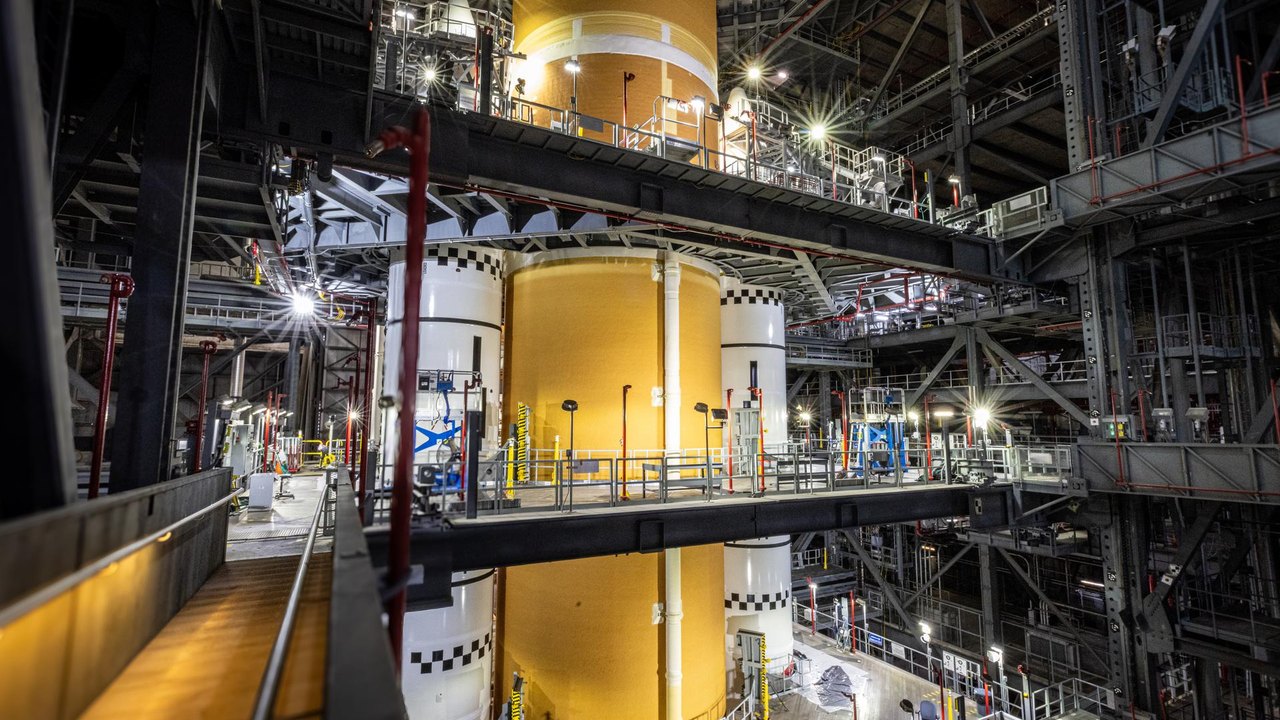 NASA Integrates Artemis III SLS Core Stage with Boosters at Kennedy Space Center
 How a NASA Student Drone Challenge Launched an Engineering Entrepreneur's Career
 NASA Selects 19 New Citizen Science and Education Proposals for 2026
 NASA's Curiosity Rover Prepares to Drill at 'Nazca' Site to Investigate Martian Crystal Forms
Related coverage
Related reporting available at publication.
NASA Integrates Artemis III SLS Core Stage with Boosters at Kennedy Space CenterHow a NASA Student Drone Challenge Launched an Engineering Entrepreneur's CareerNASA Selects 19 New Citizen Science and Education Proposals for 2026NASA's Curiosity Rover Prepares to Drill at 'Nazca' Site to Investigate Martian Crystal Forms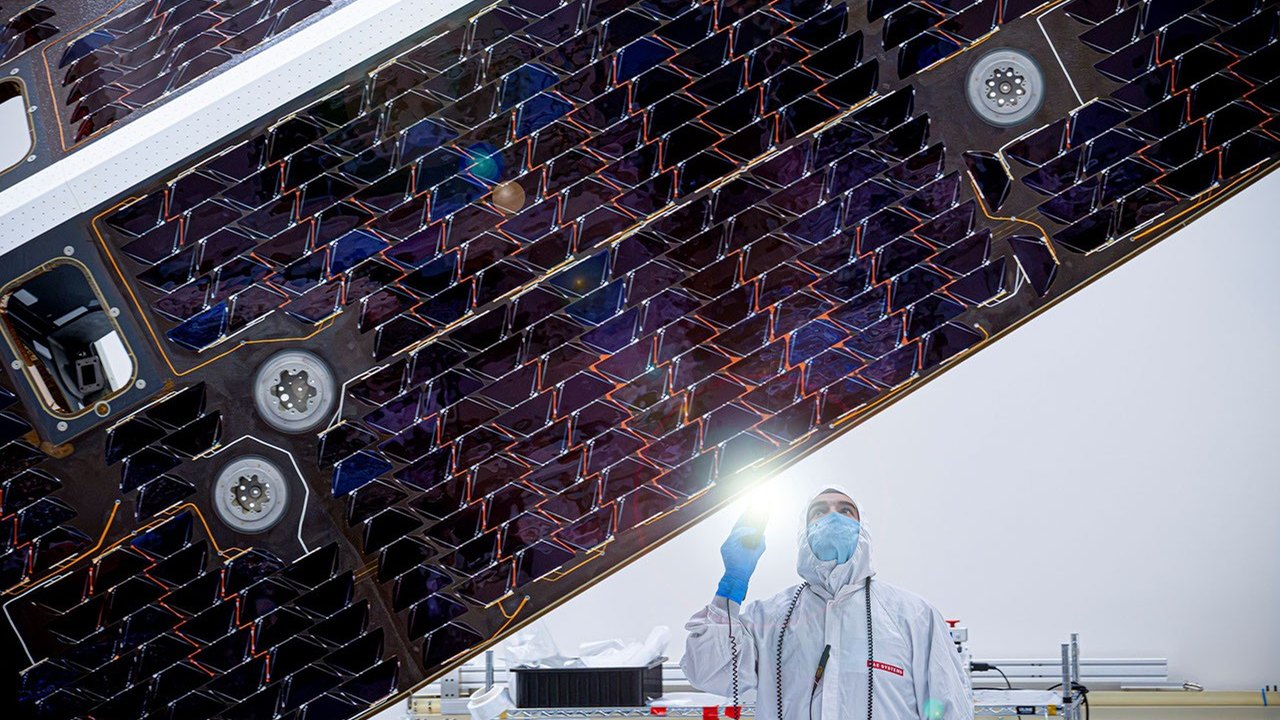 NASA's NEO Surveyor Mission Reaches Key Milestone With Sunshade and Solar Array Integration
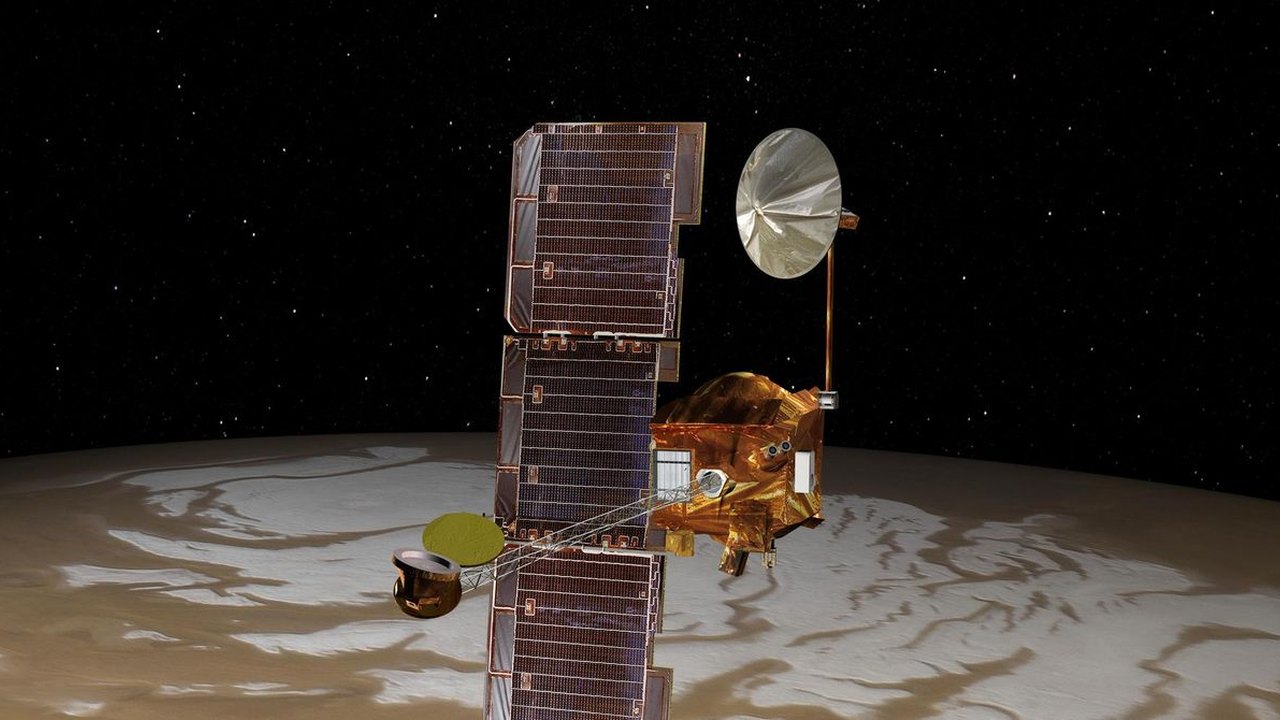 NASA’s Aging Mars Orbiters Defy Expectations Through Engineering and Adaptation