Chrome Extensions With 13.4 Million Installs Caught Hijacking Searches
· GlobeWire Daily Tech Desk · Source: www.bleepingcomputer.com

Image: BleepingComputer · Photo source · Resized and letterboxed to 16:9; no AI generation
A report published by Socket researcher John Tuckner details a search-hijacking campaign involving 319 Chrome extensions with a combined 13.4 million reported installations. According to the findings, these add-ons redirected user searches through tracking servers to generate advertising revenue from Bing and Yahoo.
Overview of the Campaign
- Scale: 319 unlisted Chrome extensions and 13.4 million reported users.
- Mechanism: Utilizing Chrome's built-in 'chrome_settings_overrides' setting to alter default search engines.
- Disguises: Pretending to be PDF converters, safe search utilities, manual finders, and AI search tools.
How the Hijacking Works
The report explains that organized operators used unlisted extensions hosted on the Chrome Web Store, promoting them through shady advertisements on external websites. Instead of performing their stated functions, queries were routed through proxy servers to collect partner referral payments from Yahoo or Bing.
Researchers highlighted examples like the "Bing-Search" cluster and the "SecuryBrowse" wave, which included security-themed add-ons like Fire Shield and Securify. The Predator Search extension was also noted for dynamically changing destination URLs on identical queries, posing potential risks for redirection to phishing pages or malicious downloads.
Verification and Practical Implications
- Most of the identified extensions were reportedly removed from the Chrome Web Store at the time of publication, though new variants continue to emerge.
- Users are advised to review installed extensions against Socket's published list, remove unauthorized add-ons, run an antivirus scan, and exercise caution when downloading browser utilities from unknown publishers.
- Verification of the original announcement can be conducted by reviewing Socket's published security advisory and checking official Google Workspace or Chrome security updates.
AI-assisted reporting; source claims are attributed and have not been independently verified.
More to read
 Elon Musk's SpaceXAI Faces Potential $6.1 Million Fines Over Mississippi Data Center Permits
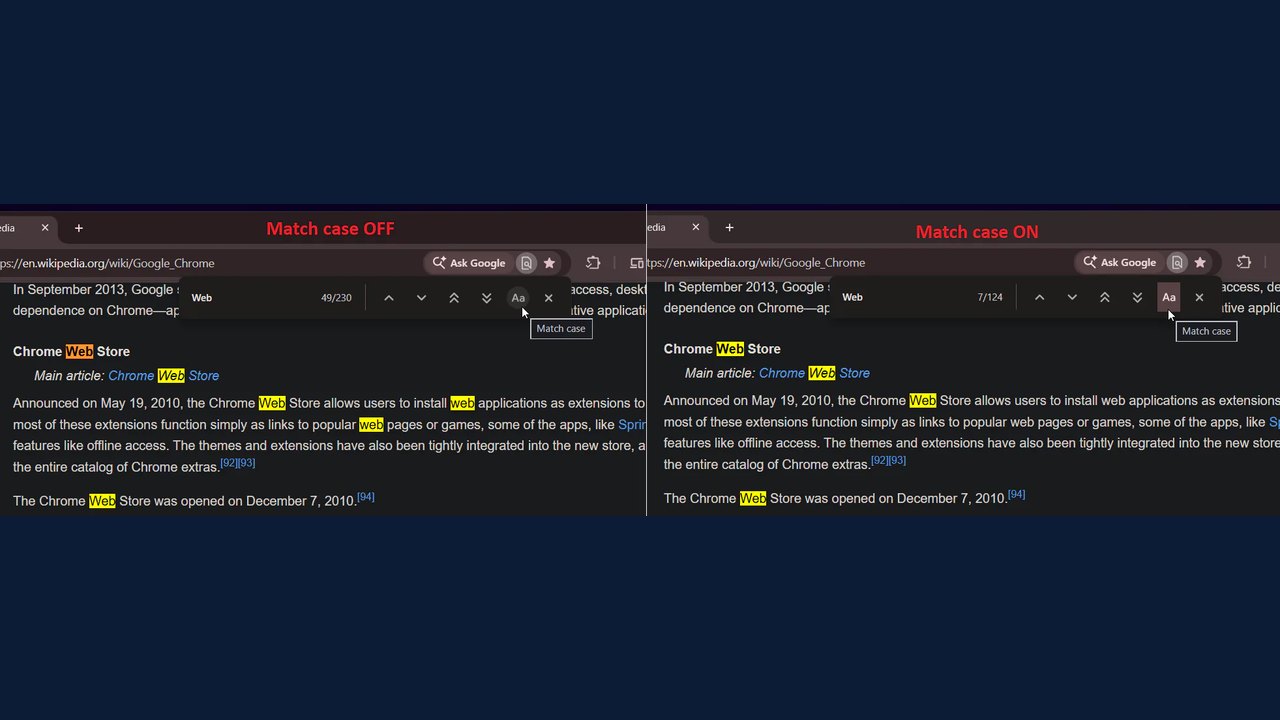 Google Tests Match Case and Smart Navigation for Chrome's Find in Page
 CERT-UA Warns of Dahua IP Camera Hijacking via P2P Access and Auth Weaknesses
 General Compute Secures $100 Million Series A at $800 Million Valuation Amid Neocloud Market Headwinds
Trending on GlobeWire Daily
Selected from recent coverage and related topics; not live search rankings.
 Madhya Pradesh Government Plans Revenue Generation from 117-Year-Old Edward Villa in Mumbai Through Leasing
 iPhone 18 Pro Named TechRadar Product of the Year 2026
 Google Project Suncatcher Runs Gemma 4 AI on Orbiting Satellite and Receives First Response
 Gender Disparities in Eye Care Access Across India Examined
 Satellite Images Show Cyclone Arnab Weakening Over India As New System Brews
 Expanding Green and Blue Spaces Crucial for India's Economic and Public Health, Reports Indicate