How AI-Powered Exploits and Discovery Are Changing Cybersecurity's 'New Normal'
· GlobeWire Daily Tech Desk · Source: www.techradar.com

Image: www.techradar.com — Creative Commons
The integration of artificial intelligence into cybersecurity has fundamentally altered the operational landscape for security teams, driven primarily by massive increases in scale and speed rather than entirely new attack targets. Advanced models, such as Anthropic's Mythos, have accelerated both vulnerability discovery and the technical capability for exploitation.
The Impact of AI on Vulnerability Discovery
Recent project updates highlight the sheer volume of security flaws that advanced AI models can locate. Within roughly one month, the Mythos model and approximately 50 partner organizations identified over 10,000 high and critical severity vulnerabilities. This total included 6,202 estimated high and critical issues discovered across more than 1,000 open-source projects.
This capacity arrives during a period of already surging CVE publications. Data shows that 48,185 CVEs were published in 2025, representing a 20.6% increase compared to the previous year. Furthermore, security research demonstrates that general-access large language models (LLMs), when prompted by experienced practitioners, can successfully locate and exploit novel vulnerabilities. For instance, an automated vulnerability research pipeline developed by a security researcher—operating without human intervention—discovered a remote, multi-stage SQL injection vulnerability affecting 300,000 WordPress plugins. This discovery was subsequently assigned CVE-2026-3985 and publicly disclosed.
Automated Extortion and Shorter Response Windows
Beyond finding vulnerabilities, AI-powered agents are capable of executing end-to-end attacks. Recent incidents include an operator designated as JadePuffer exploiting a vulnerable Langflow server, harvesting credentials, executing lateral movement, and encrypting 1,300 database records in an automated ransomware operation.
Because AI lowers the technical barrier to exploitation and accelerates the entire attack lifecycle, the window of time organizations have to respond has drastically shrunk. Attackers can leverage exposed services—such as internet-facing private API documentation or unshielded MySQL databases—without even requiring a formal CVE.
Practical Implications and Mitigation Strategies
To navigate this environment, security organizations must focus heavily on attack surface reduction as a primary defense. Eliminating unnecessary internet-facing assets removes the target entirely, avoiding the race to patch.
For vulnerabilities that cannot be eliminated, reducing the gap between discovery and remediation is essential. While traditional penetration testing offers depth and vulnerability scanning offers cadence, both have limitations regarding cost and contextual interpretation. Emerging AI tools can assist human analysts by instantly alerting teams to new risks, conducting continuous or frequent testing, validating findings to reduce false positives, and integrating with existing toolsets.
What Is Confirmed Versus Unknown
Confirmed details from the source material include the output metrics from Project Glasswing involving Mythos, the 20.6% year-over-year increase in 2025 CVE publications, the technical details surrounding CVE-2026-3985 affecting WordPress plugins, and the JadePuffer Langflow server ransomware incident. Unresolved uncertainties include the long-term regulatory frameworks for AI-driven testing and how compliance bodies, insurers, and auditors will formally adapt to continuous AI testing models.
Readers can verify these claims, explore original commentary, and review further details directly through the original publication on [TechRadar](https://www.techradar.com/pro/navigating-the-new-normal-ai-powered-exploits-and-discovery).
AI-assisted reporting; source claims are attributed and have not been independently verified.
More to read
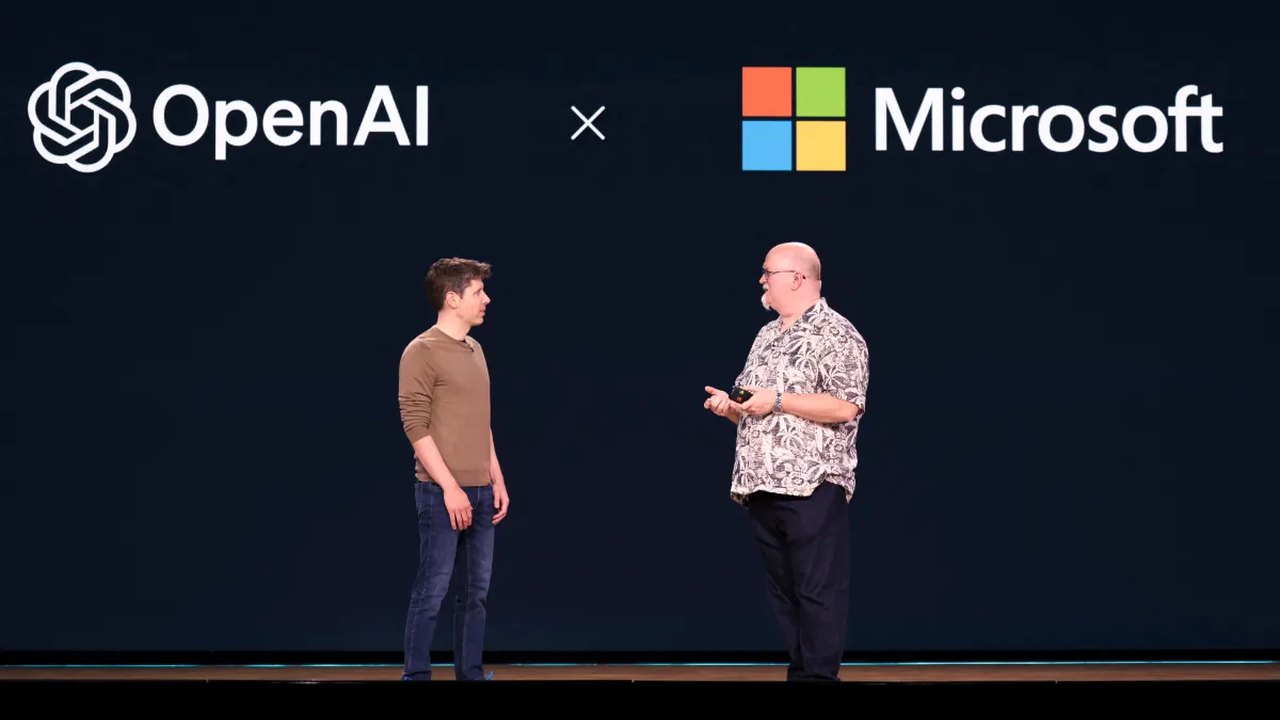 Microsoft Reports $10 Billion in Quarterly Revenue Linked to Commercial Arrangements With OpenAI
 OpenLogi Emerges as a Local-First, Rust-Based Alternative to Logitech Options+
 Sony Announces Retro-Inspired Translucent PS5 Controllers and Console Covers
 Internal Emails Raise Questions Over HR Records for DOGE Operative Leading USAID
Trending on GlobeWire Daily
Selected from recent coverage and related topics; not live search rankings.
 MP High Court Opens Applications for 418 Stenographer and Assistant Posts: Key Dates and Eligibility
 Community and Social Services Career Openings Highlight Regional Employment Landscape
 ARCI Recruitment 2026: Applications Open for 29 Technical, Administrative, and Scientific Posts
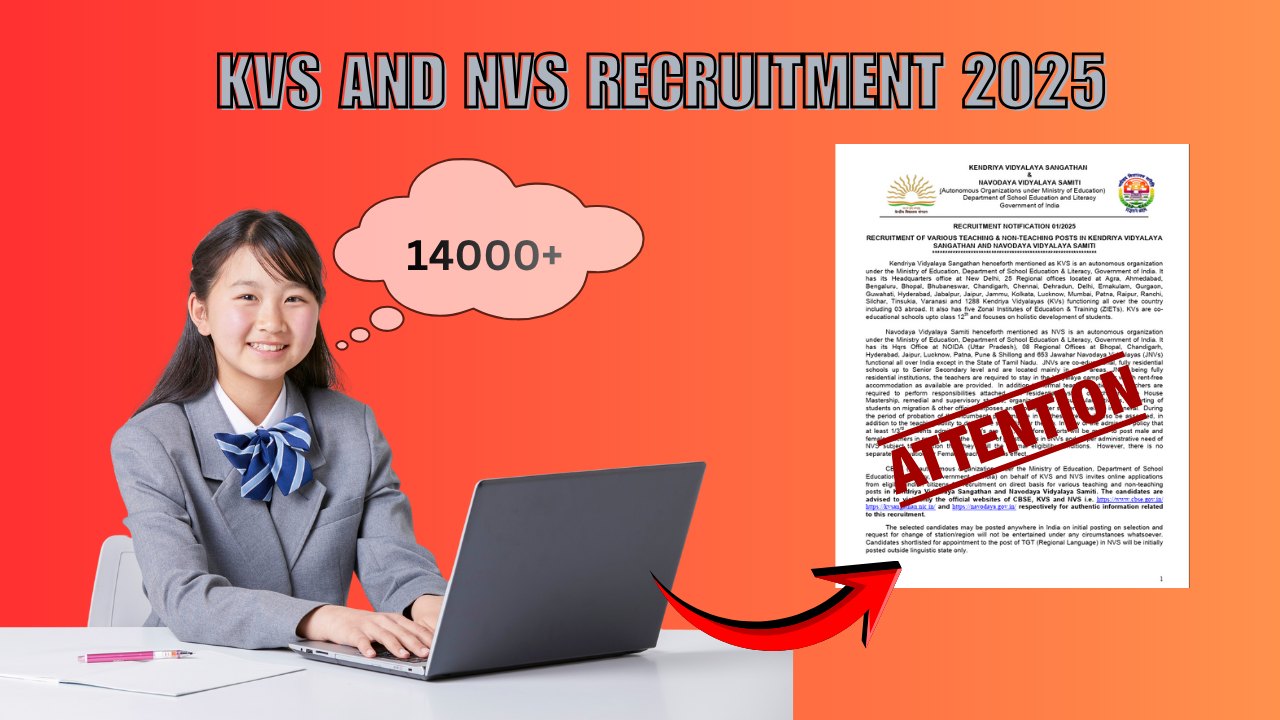 Kendriya Vidyalaya and Navodaya Vidyalaya Recruitment 2025: 14,967 Vacancies Open
 Community and Social Services Openings Highlight Diverse Employment Landscape in Cheyenne, WY
 KRDP Recruitment 2026: Online Applications Open for 12,878 Group B and C Vacancies