NO CHARGER IN THE BOX? Here's how to pick the right one
· GlobeWire Daily Editorial Desk · Source: m.gsmarena.com
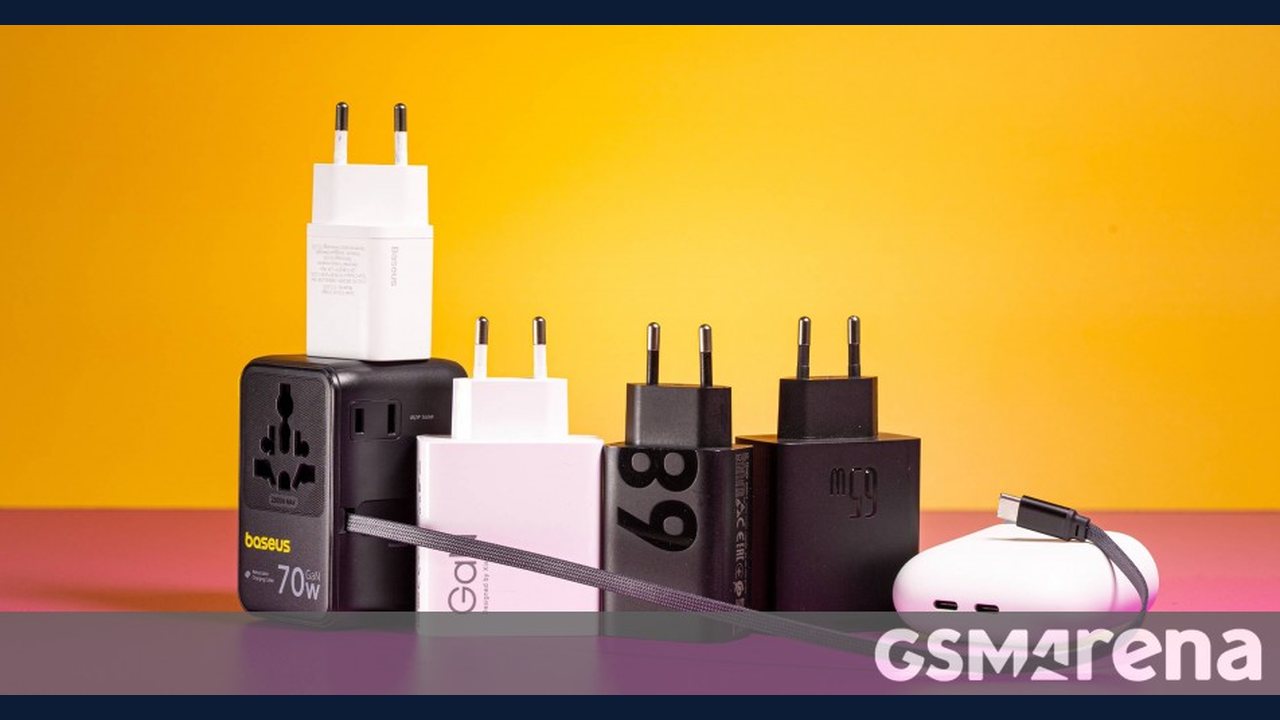
Finding the right replacement charger for a smartphone has become increasingly complex since manufacturers stopped including them in the box. While the USB-C standard provides a reliable baseline, the market is fractured by varying power standards, proprietary technologies, and distinct cable capabilities.
Understanding USB Standards and Power Delivery
Universal Serial Bus (USB) connections go beyond basic plugs. The electrical delivery is governed by protocols such as USB Power Delivery (PD) and Programmable Power Supply (PPS). While basic PD uses fixed voltages and currents, PPS allows for fine-grained voltage and current control to minimize heat generation during lithium battery charging. Newer protocols like Adjustable Voltage Supply (AVS) scale power limits even further for compatible devices.
Choosing the Right Wattage and Multi-Device Chargers
Consumers do not necessarily need the highest wattage available, but selecting a charger depends heavily on individual use cases:
- Smartphones: Many devices operate efficiently on standard 30W to 67W chargers supporting PPS or AVS.
- Laptops and Tablets: High-power devices generally require chargers rated at 65W, 100W, or higher.
- Travel and Multi-Port Chargers: Options with multiple USB ports allow users to power several devices simultaneously, though total wattage output is shared across connected ports.
The Crucial Role of Cables
Cables are frequently overlooked components in the charging ecosystem. High-power chargers rely on E-marker chips embedded within cables to verify safe operating limits, preventing damage to thinner wires. Furthermore, while high-power charging cables often default to USB 2.0 data speeds (480Mbps), users requiring faster data transfers or video output should verify cable specifications or opt for certified Thunderbolt cables.
Proprietary Charging Standards
Many brands utilize proprietary protocols to achieve maximum charging speeds:
- SuperVOOC: Utilized by Oppo, Realme, and OnePlus devices.
- vivo FlashCharge: Vivo's independent high-speed charging standard.
- Motorola TurboPower: Built upon Qualcomm's QuickCharge technology.
- Xiaomi HyperCharge & Honor SuperCharge: Proprietary systems featuring advanced thermal and voltage regulation.
Wireless Charging and Specialized Docks
Wireless charging relies primarily on the Qi standard, with newer Qi2 options introducing magnetic alignment for improved efficiency and reduced heat. Additionally, specialized USB hubs and gaming charger docks—such as those designed for portable consoles—can double as desktop setups for smartphones and laptops, supporting power delivery alongside HDMI output.
Practical Implications and Verification
When purchasing third-party chargers or accessories, consumers should verify technical specifications directly against manufacturer documentation or independent testing reports to ensure compatibility with their specific device models.