US tech subsea cables face heightened Pacific sabotage risks, report warns
· GlobeWire Daily Tech Desk · Source: arstechnica.com
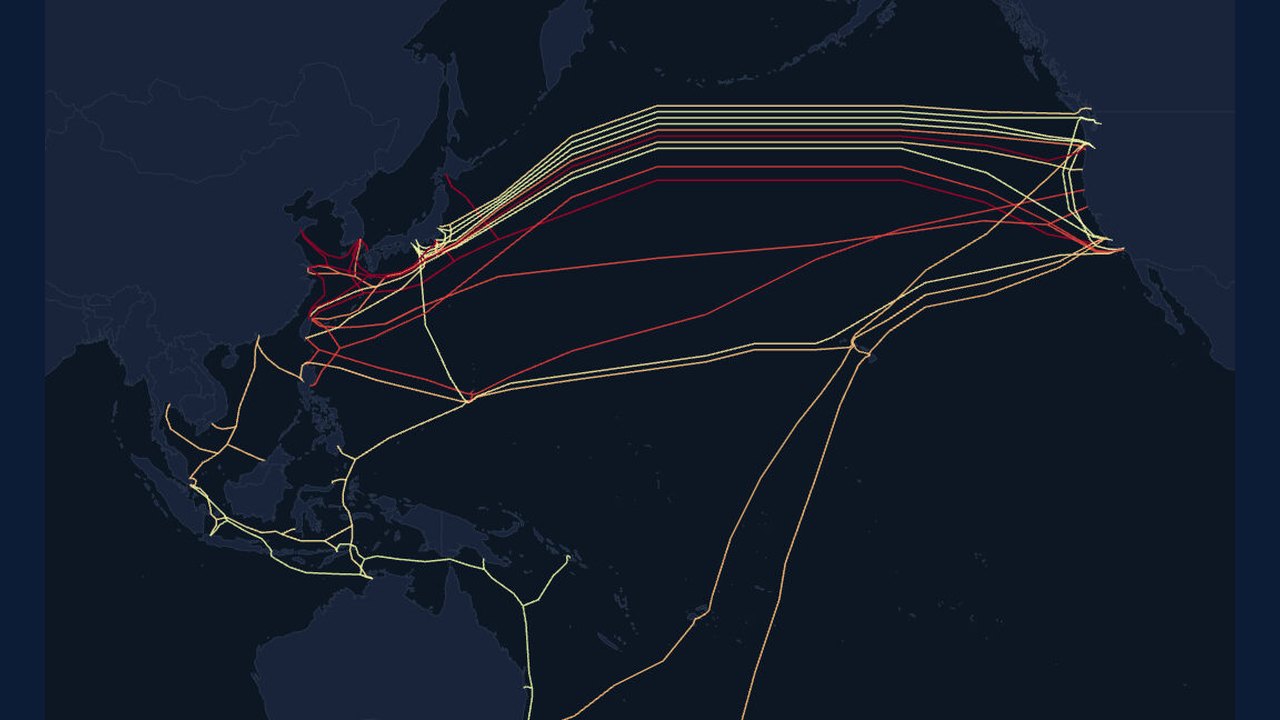
Image: Ars Technica · Photo source · Resized and letterboxed to 16:9; no AI generation
A recent research report published in September 2026 by the US-China Economic and Security Review Commission highlights growing concerns over deep-sea sabotage risks facing trans-Pacific subsea cables, with projects owned by US technology companies such as Google and Meta among those identified as highly vulnerable. The report was contracted to the London-based think tank China Strategic Risks Institute and evaluated risks using a newly created index.
While most damage to internet backbone cables historically stems from accidental events such as bottom-trawling fishing nets, anchor dragging, storms, and undersea landslides, international tensions have driven increased scrutiny toward suspicious cable-cutting incidents. Analysts have pointed to gray-zone tactics by nations like China and Russia that fall short of direct military confrontation.
Vulnerability Index and High-Risk Regions
The Trans-Pacific Cable Gray Zone Vulnerability Index maps routes and ranks cables based on risk factors including water depth, nearby shipping traffic, ownership, territorial claims, and whether connections run to Taiwan. According to the index, risks are particularly elevated around Taiwan, Japan, and the Philippines due to shallow waters, heavy shipping, and geopolitical factors.
Among the top-ranked projects still under development are:
- TPU project: Owned by Google.
- ORCA cable: Owned by Meta.
- E2A cable: Co-owned by Verizon alongside firms in Japan, South Korea, and Taiwan.
Potential Impacts of Disruptions
The report warns that severe disruption to even a single trans-Pacific cable could overwhelm available direct capacity, forcing internet traffic onto slower, less direct routes. A broader crisis affecting multiple cables could severely reduce network headroom, impacting cloud services, financial trading, and international communications.
Vessel Activity and Regional Context
A separate October 2026 report from the Center for Strategic and International Studies (CSIS) noted that China-flagged research vessels spent unusual amounts of time performing survey-like tracks near subsea cables. Additionally, past incidents have involved commercial vessels damaging regional infrastructure, such as a 2025 case where a Taiwanese court convicted a ship captain after an anchor-dragging incident damaged a local cable.
Similar concerns have emerged globally, with investigations into cable and pipeline damage in European waters involving vessels linked to Russia and China, alongside reports of naval confrontations in Arctic waters.
Practical Implications and Verification
Stakeholders and researchers verify these findings by reviewing primary publications from the US-China Economic and Security Review Commission, CSIS reports, and official maritime tracking data. While direct risks to individual networks remain a subject of ongoing analysis, network operators continue to evaluate resilience strategies to mitigate potential connectivity bottlenecks.
AI-assisted reporting; source claims are attributed and have not been independently verified.
More to read
 Elon Musk Warns Most AI 'Neoclouds' Face Closures As Funding Tightens
 Engineering Freshers and B.Tech CSE Graduates Face Rising Challenges Amid Changing IT Hiring Trends
 Senator Bernie Sanders Warns Big Tech Against Seeking Bailouts for AI Spending
 Anthropic Warns of Catastrophic AI Risks Ahead of Planned US Stock Market Listing
Trending on GlobeWire Daily
Selected from recent coverage and related topics; not live search rankings.
 Madhya Pradesh Government Plans Revenue Generation from 117-Year-Old Edward Villa in Mumbai Through Leasing
 iPhone 18 Pro Named TechRadar Product of the Year 2026
 Google Project Suncatcher Runs Gemma 4 AI on Orbiting Satellite and Receives First Response
 Gender Disparities in Eye Care Access Across India Examined
 Satellite Images Show Cyclone Arnab Weakening Over India As New System Brews
 Expanding Green and Blue Spaces Crucial for India's Economic and Public Health, Reports Indicate