Arab Parties Offer Path to Victory in Deadlocked Israeli Election
· GlobeWire Daily World Desk · Source: www.cbc.ca

Original GlobeWire Daily editorial illustration — not an event photograph.
Following a general election in Israel, vote-counting continued after citizens cast ballots amid high turnout, leaving both Prime Minister Benjamin Netanyahu and opposition challenger Gadi Eisenkot without enough parliamentary seats to form an outright majority, according to exit polls and reporting by CBC News.
Neither leader has declared a decisive victory. To secure a workable majority in the 120-seat Knesset, where no single party has won 61 seats outright since 1948, front-runners face the prospect of cooperating with Arab political parties. These parties emerged with increased representation following high voter turnout in Arab communities.
Key Political Dynamics
- The Front-Runners: Prime Minister Benjamin Netanyahu insists on forming a right-wing national government and has rejected cooperation with Arab parties, while leading the Zionist public bloc. Meanwhile, opposition challenger Gadi Eisenkot, leader of the Yashar party and a retired general, faces internal coalition hurdles.
- The Kingmakers: Arab party leaders, including Yousef Jabareen of the Joint List and Mansour Abbas of the United Arab List (Ra’am), have signaled openness to partnering with alternatives to Netanyahu's government. However, some Eisenkot coalition partners, such as Naftali Bennett and Avigdor Liberman, have rejected such arrangements.
- Core Obstacles: Political analyst Dhalia Scheindlin noted that opposition reluctance to include Arab parties remains a significant barrier. Disagreements persist over policy approaches, the status of the Palestinian territories, and differing stances on regional security matters.
Electoral Context and Next Steps
Exit polls indicated a complex political landscape. Netanyahu is currently on trial for corruption charges involving bribery, fraud, and breach of trust, allegations he denies while utilizing his position to navigate the legal process.
If final tallies confirm a deadlock, Israeli President Isaac Herzog is expected to task the leader with the best chance of building a lasting majority with forming a government, a process that could involve extended negotiations or potentially lead to subsequent elections unless parliamentary partnerships shift.
AI-assisted reporting; source claims are attributed and have not been independently verified.
More to read
 Netanyahu Alleges Election Stolen by Arab Parties Amid Vote Counting
 Israel Election Left Without Clear Winner as Arab Parties Hold Potential Kingmaker Role
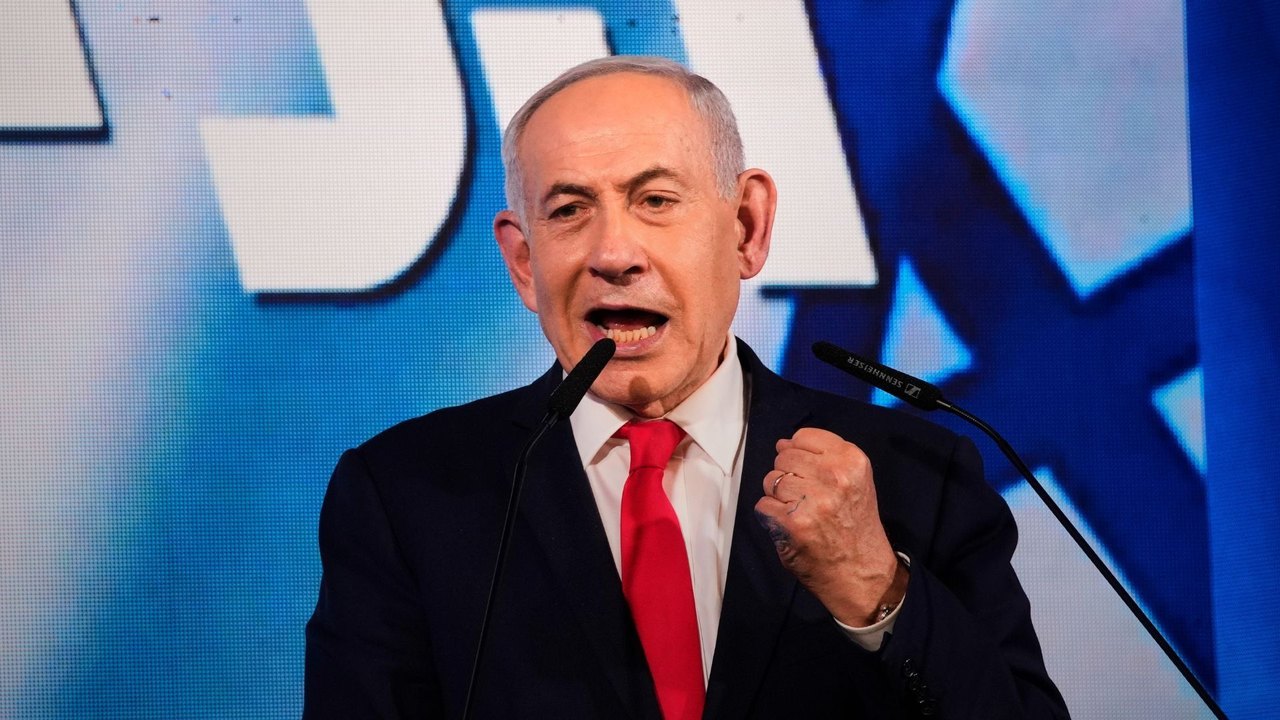 Netanyahu Accuses Palestinian Israeli Parties of Election Fraud Amid Stalemate
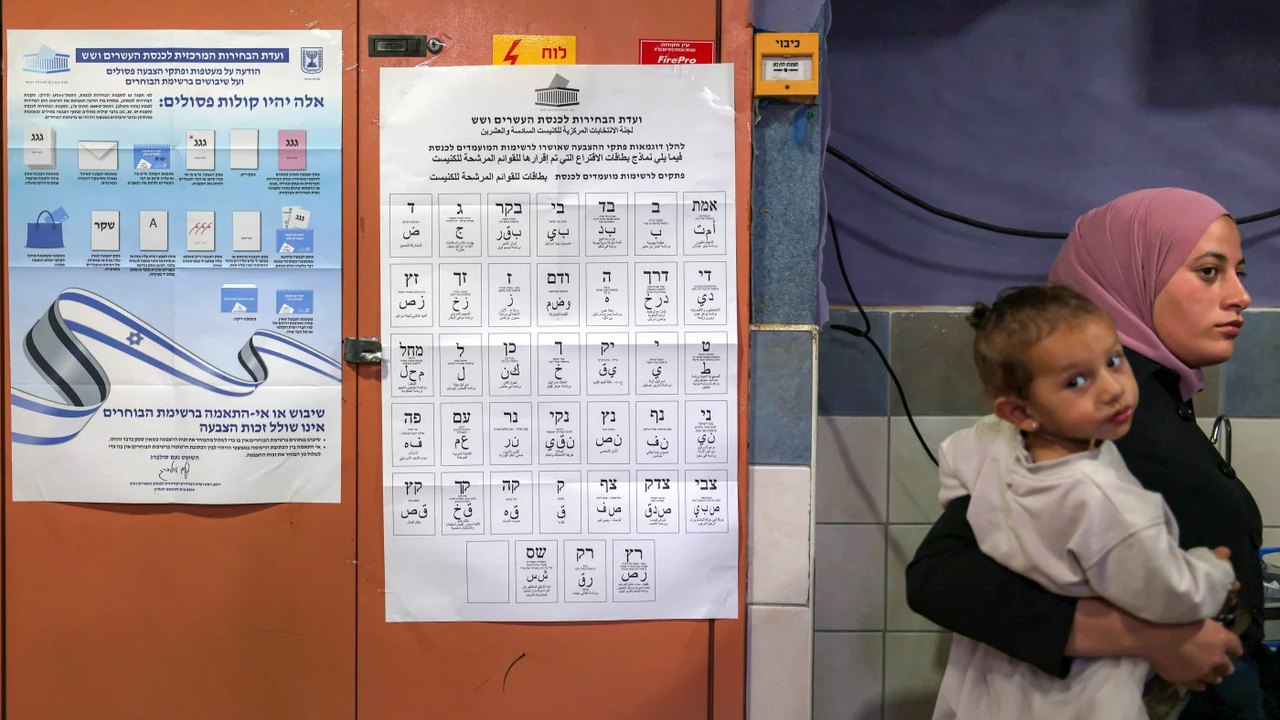 Former Israeli Diplomat Criticizes Opposition's Rejection of Arab-Led Parties
Trending on GlobeWire Daily
Selected from recent coverage and related topics; not live search rankings.
 Madhya Pradesh Government Plans Revenue Generation from 117-Year-Old Edward Villa in Mumbai Through Leasing
 iPhone 18 Pro Named TechRadar Product of the Year 2026
 Google Project Suncatcher Runs Gemma 4 AI on Orbiting Satellite and Receives First Response
 Gender Disparities in Eye Care Access Across India Examined
 Satellite Images Show Cyclone Arnab Weakening Over India As New System Brews
 Expanding Green and Blue Spaces Crucial for India's Economic and Public Health, Reports Indicate