Former Israeli Diplomat Criticizes Opposition's Rejection of Arab-Led Parties
· GlobeWire Daily World Desk · Source: www.npr.org
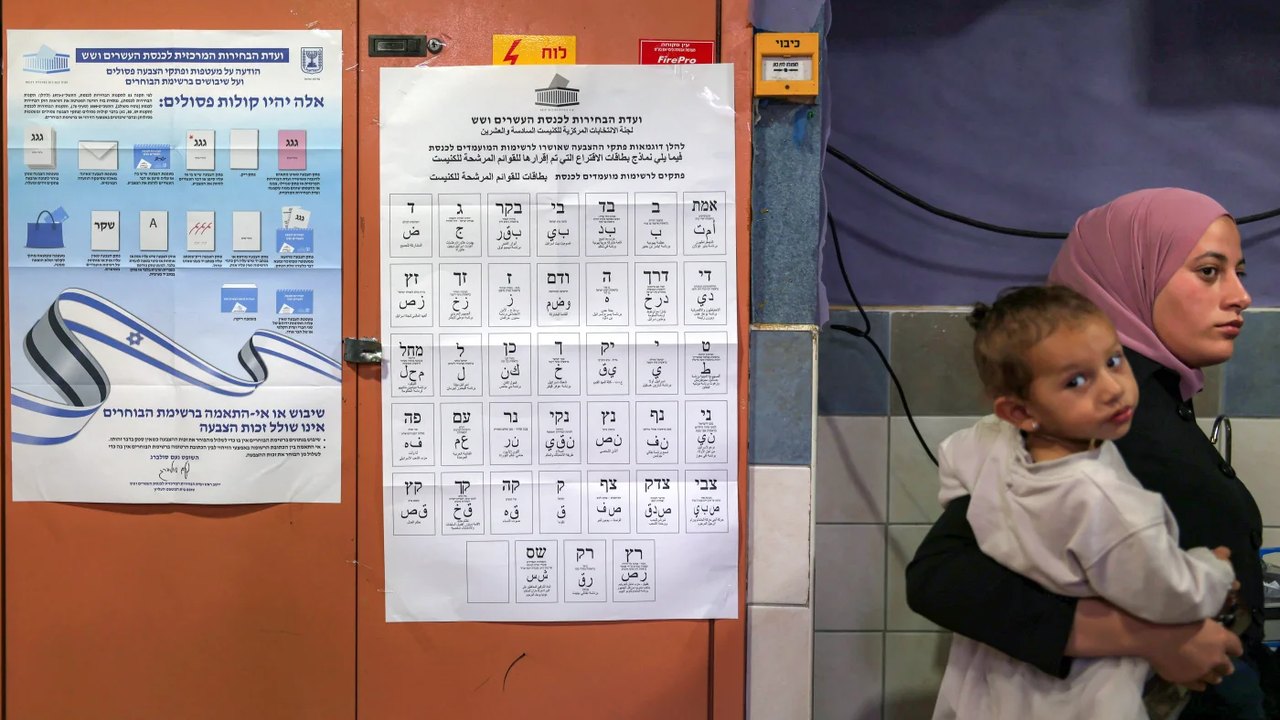
Image: www.npr.org — Creative Commons
Election Results Spark Debate Over Government Coalitions
Partial results from Israel's recent parliamentary election indicate no clear winner, bringing renewed focus to the political role of Arab-led parties and the willingness of opposition leaders to engage with them. Alon Pinkas, an Israeli political analyst and former diplomat who previously advised former Prime Ministers Ehud Barak and Shimon Peres, has described the opposition's refusal to work with these parties as "myopic and reckless."
Speaking on NPR's Morning Edition, Pinkas outlined potential paths for opposition leader Gadi Eisenkot. He suggested that Eisenkot could either form a coalition that includes Arab-led parties or establish a minority government backed by their outside support. Such an arrangement would allow the parties to support major legislation and confidence votes without formally entering the governing coalition.
Opposition and Incumbent Rejections
Despite these options, both Eisenkot and Prime Minister Benjamin Netanyahu have explicitly rejected political cooperation with Arab-led parties, which primarily draw their support from Palestinian citizens of Israel. Netanyahu strongly condemned the idea of any government relying on their support, calling it "a shame and a disgrace."
Pinkas challenged the common argument that depending on Arab-led parties would undermine Israel's status as a Jewish state. He pointedly questioned why that same logic would not apply to ultra-Orthodox Jewish parties, noting that they similarly describe themselves as non-Zionist.
Drivers of Voter Turnout and Security Concerns
According to Pinkas, the strong electoral showing by Arab-led parties is largely driven by constituent concerns over surging crime and murder rates within Arab communities, particularly violence tied to organized crime. He accused Netanyahu's administration of ignoring these issues by failing to adequately deploy police resources or investigate the ongoing killings.
Regarding the broader outlook for governance, Pinkas offered a definitive assessment of Prime Minister Netanyahu's prospects, stating emphatically that Netanyahu cannot form a government.
Practical Implications and Verification
Readers following Israeli political developments should note that current coalition talks are based on partial election results, and political stances remain fluid as negotiations continue.
- What is confirmed: Partial results show no clear winner in the election, Arab-led parties made a strong showing, and key leaders including Benjamin Netanyahu and Gadi Eisenkot have rejected partnering with them.
- What remains unknown: The final composition of the next government and whether opposition figures might alter their coalition strategies as negotiations progress.
- How to verify: Readers can listen to the original interview and read further reporting through [NPR's official coverage](https://www.npr.org/2026/10/28/nx-s1-6019328/israel-election-arab-parties-government).
AI-assisted reporting; source claims are attributed and have not been independently verified.
More to read
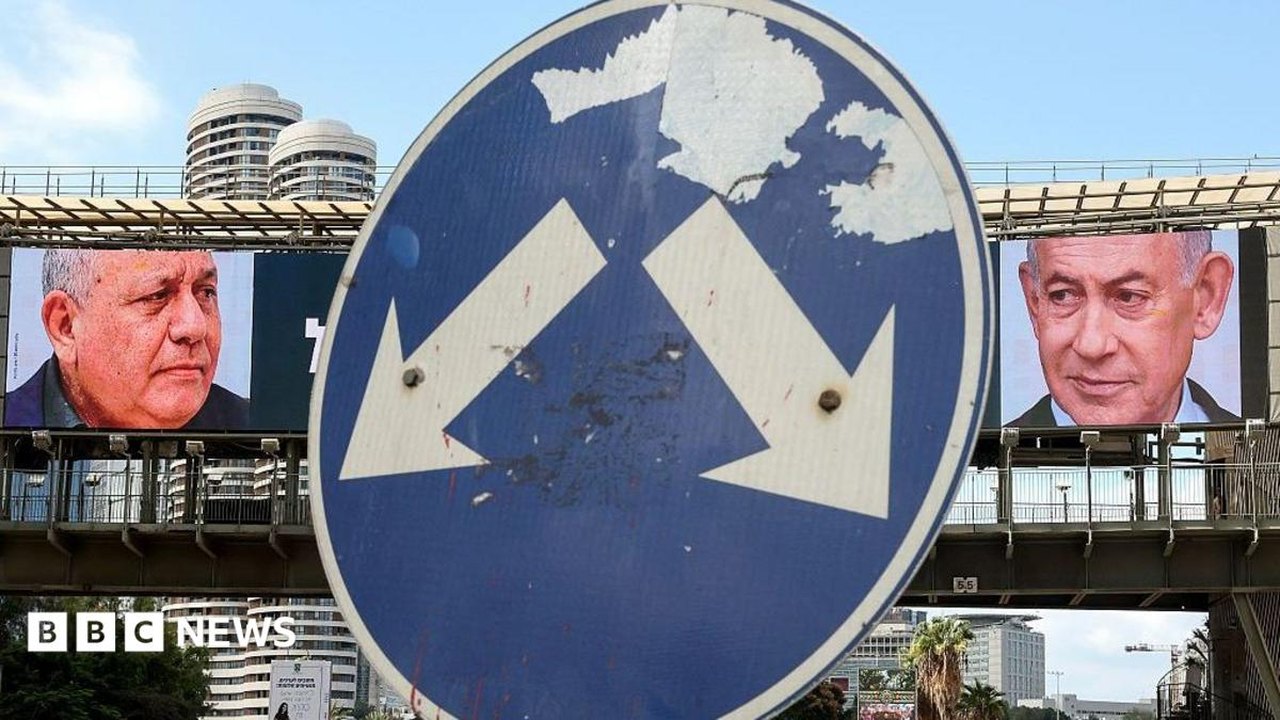 Israel’s Election Stalemate: Four Paths Out of the Deadlock
 Israel Faces Coalition Gridlock as Netanyahu's Bloc Loses Majority and Palestinian Parties Make Historic Gains
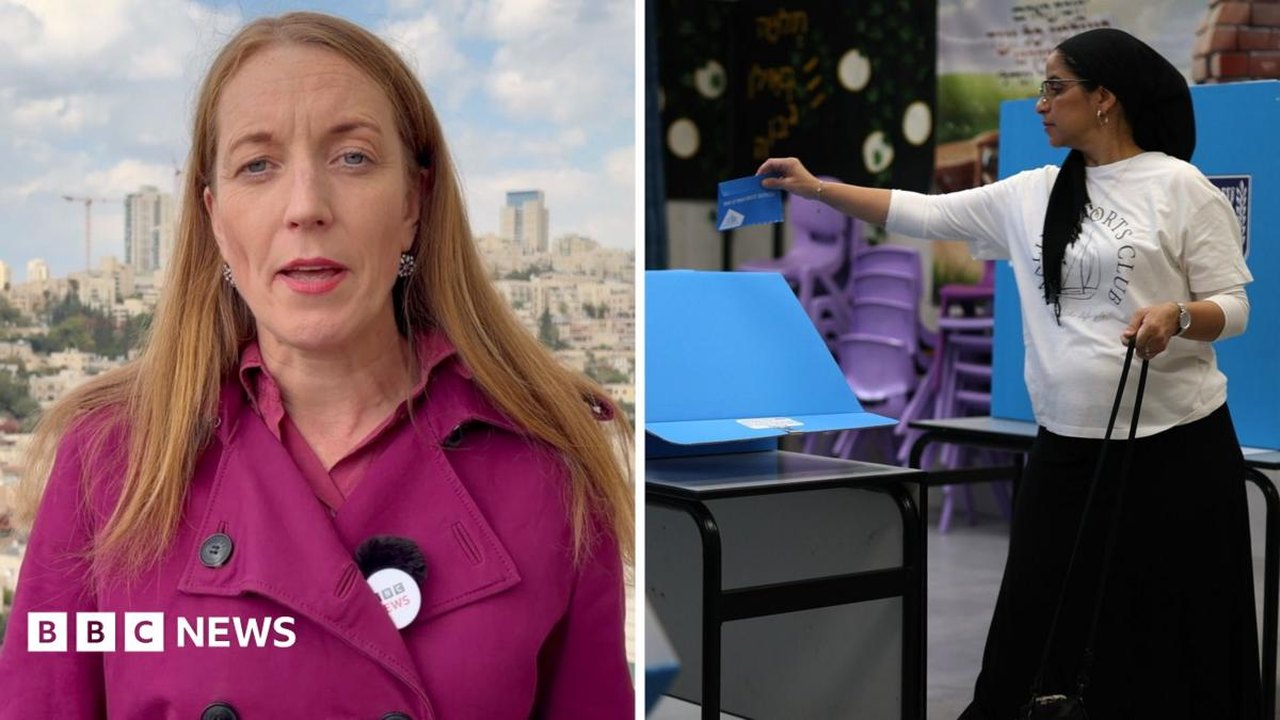 Israel Faces Political Deadlock After High-Turnout Election Leaves No Clear Winner
 Uttar Pradesh Legislative Council members receive ₹2.66 lakh monthly and hold limited legislative powers, official figures show
Trending on GlobeWire Daily
Selected from recent coverage and related topics; not live search rankings.
 Overview of Military and Protective Services Openings in the Des Moines Area
 Navigating Free Sample Promotions and Trial Offers Across India: What Consumers Should Know
 Exploring the Landscape of Fantasy Cricket Apps and Platforms in India
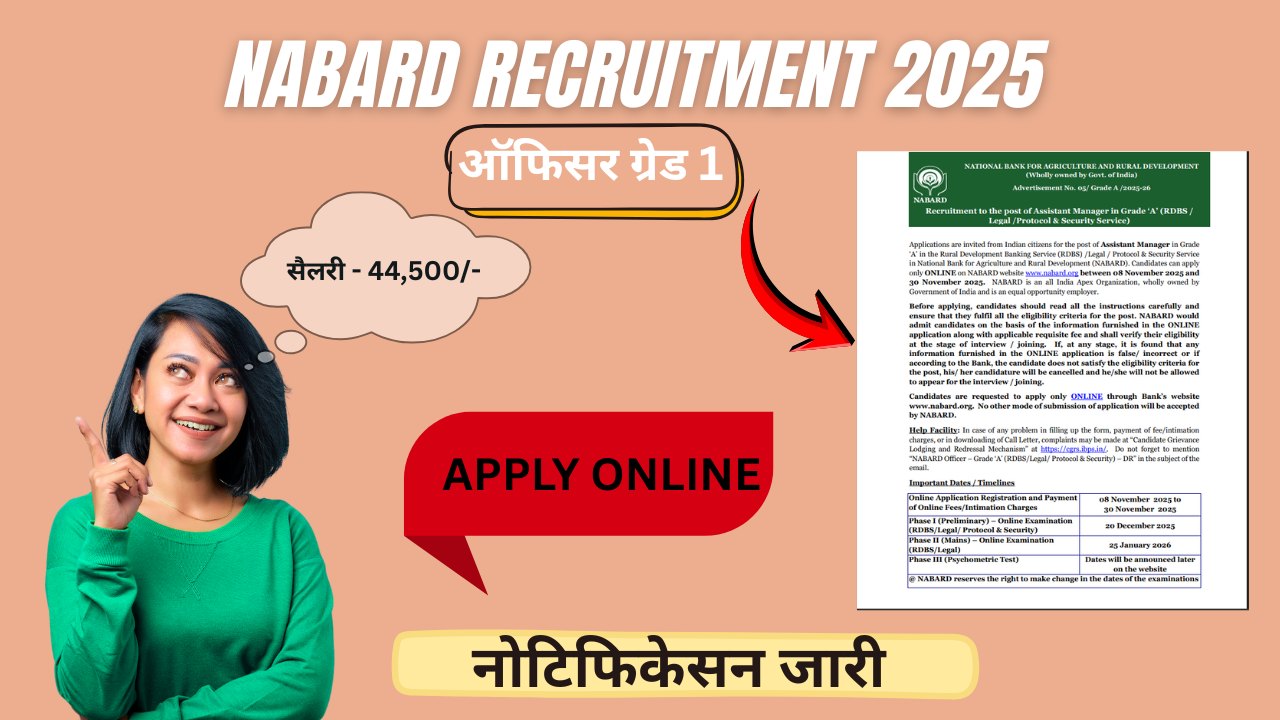 NABARD Opens Grade A Officer Recruitment 2025 for 91 Vacancies: What Applicants Need to Know
 Intelligence Bureau Opens Applications for ACIO II Tech Recruitment 2025: What Engineers Need to Know
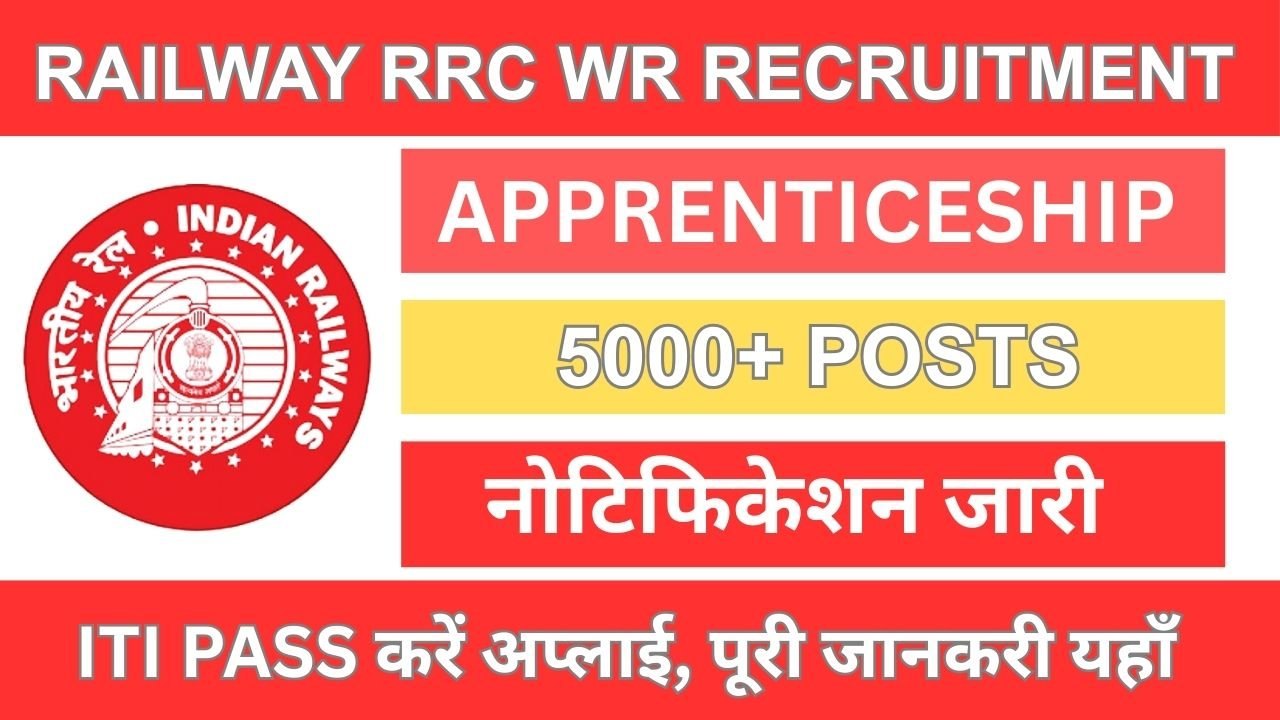 Western Railway RRC Announces Apprentice Trainee Recruitment for 2026