Uttar Pradesh Legislative Council members receive ₹2.66 lakh monthly and hold limited legislative powers, official figures show
· GlobeWire Daily World Desk · Source: navbharattimes.indiatimes.com
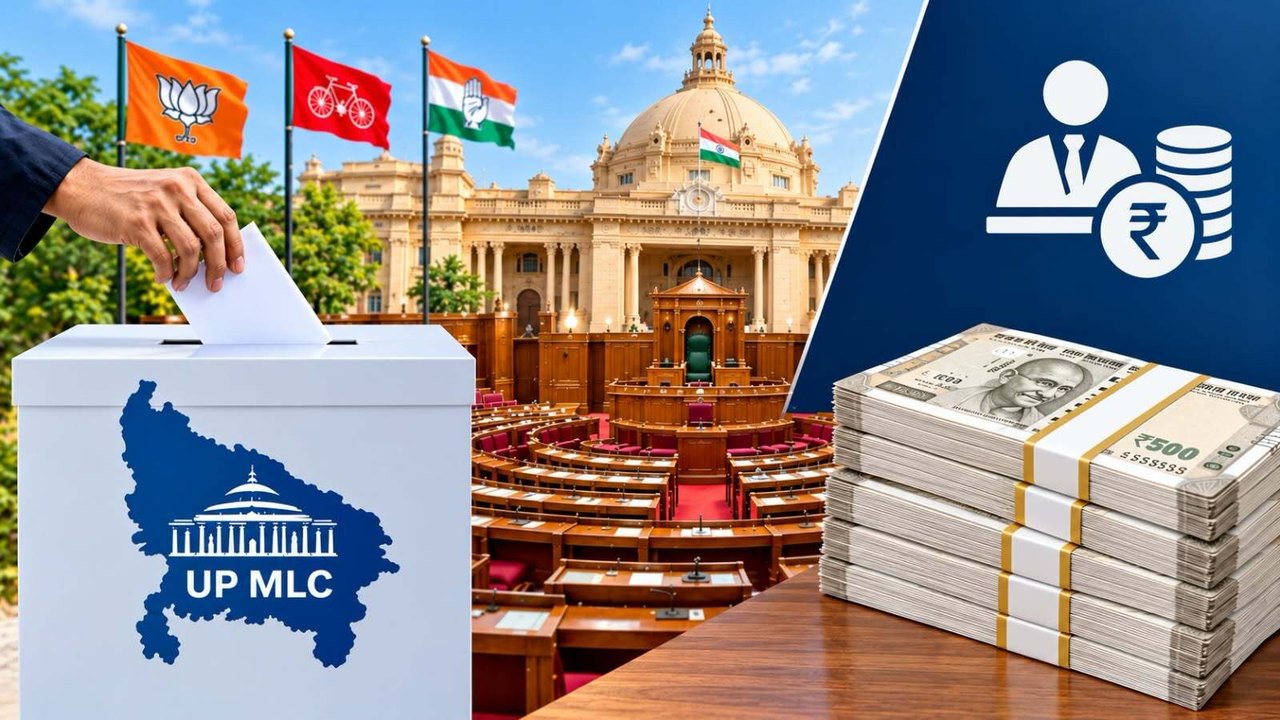
Image: navbharattimes.indiatimes.com — Creative Commons
Election context
On 23 October 2024, voters in 11 Uttar Pradesh Legislative Council (MLC) seats cast their ballots in an indirect election. The Election Commission is now in the process of announcing the results. While the outcome is pending, the state government has released detailed information about the remuneration and statutory powers of MLCs.
How MLCs are chosen
Uttar Pradesh’s Legislative Council is a bicameral upper house whose members are not elected directly by the public. The composition is set by the Constitution of India and includes:
- One‑third of the seats elected by sitting Members of the Legislative Assembly (MLAs).
- One‑third elected by members of local bodies – district and block panchayats, municipal corporations and municipalities.
- One‑twelfth elected by registered teachers and another one‑twelfth elected by university graduates.
- Eight seats each are reserved for graduate and teacher constituencies.
- A small number of members are nominated by the Governor (the exact count is not specified in the source).
All candidates must be at least 30 years old.
Salary and allowances breakdown
The official release lists a comprehensive remuneration package for each MLC: | Component | Amount (₹) | |---|---| | Basic salary | 35,000 | | Medical allowance | 45,000 | | Election allowance | 75,000 | | Total monthly cash remuneration | ≈ 266,000 | | Committee meeting allowance | 2,500 per meeting | | Stationery allowance | 10,000 per year | | Travel allowance (in‑state) | 20 per kilometre | | Travel allowance (out‑of‑state) | 25 per kilometre | | Flight/rail coupon ceiling | 500,000 per year | | Mobile‑bill reimbursement | 100,000 per year | | Free electricity | 2,000 units per year | | Development fund for constituency work | 5 crore per year |
These figures are cash‑based; the development fund is a separate allocation that MLCs can spend on local projects, subject to state‑level audit rules.
Legislative role and limits
MLCs participate in the law‑making process of Uttar Pradesh but their powers differ from those of MLAs:
- They may debate, suggest amendments, and vote on most bills introduced in the Council.
- Money bills (those dealing with taxation or expenditure) must originate in the Legislative Assembly. After passage there, the Council can recommend changes within 14 days. If the Council does not return the bill within that period, the bill is deemed passed.
- The Council cannot block a money bill outright; it can only delay it.
- In matters of finance and confidence, the Assembly holds the decisive authority, reflecting the constitutional hierarchy that gives the lower house greater weight on fiscal issues.
Practical implications
Financial incentives
The remuneration package makes the MLC role financially attractive, especially when the development fund of ₹5 crore per year is added to the cash salary. For comparison, the basic salary of an MLA in Uttar Pradesh is reported to be around ₹1 lakh per month, but MLAs do not receive a separate development fund of this magnitude.
Influence on local projects
The sizeable development fund allows MLCs to fund infrastructure, education, or health initiatives in their constituencies. However, the source does not detail the audit mechanisms or criteria for fund utilisation, leaving room for public scrutiny.
Legislative impact
Because the Council can only recommend on money bills and cannot veto them, its influence on the state’s fiscal agenda is limited. Its role is more pronounced in policy review and deliberation on non‑financial legislation, where it can shape amendments and raise concerns.
What remains unclear
- The exact number of Governor‑nominated members and the criteria for their selection are not disclosed in the source.
- The frequency and amount of the committee meeting allowance depend on how often an MLC is appointed to a committee, which varies.
- Details on audit procedures for the ₹5 crore development fund are not provided, making it difficult to assess transparency.
- The source does not compare the Uttar Pradesh MLC package with those of other Indian states, which could contextualise whether the remuneration is above or below the national norm.
How to verify
All figures and procedural details are taken from the article published by Navbharat Times on 27 October 2024. Readers can consult the original report at: [https://navbharattimes.indiatimes.com/state/uttar-pradesh/lucknow/up-mlc-salary-what-powers-do-they-have-legislative-council-elections/articleshow/135253489.cms](https://navbharattimes.indiatimes.com/state/uttar-pradesh/lucknow/up-mlc-salary-what-powers-do-they-have-legislative-council-elections/articleshow/135253489.cms)
For additional verification, the Constitution of India (Article 171) outlines the composition of state legislative councils, and the Uttar Pradesh Legislative Assembly website publishes the latest salary and allowance orders for its members.
AI-assisted reporting; source claims are attributed and have not been independently verified.
More to read
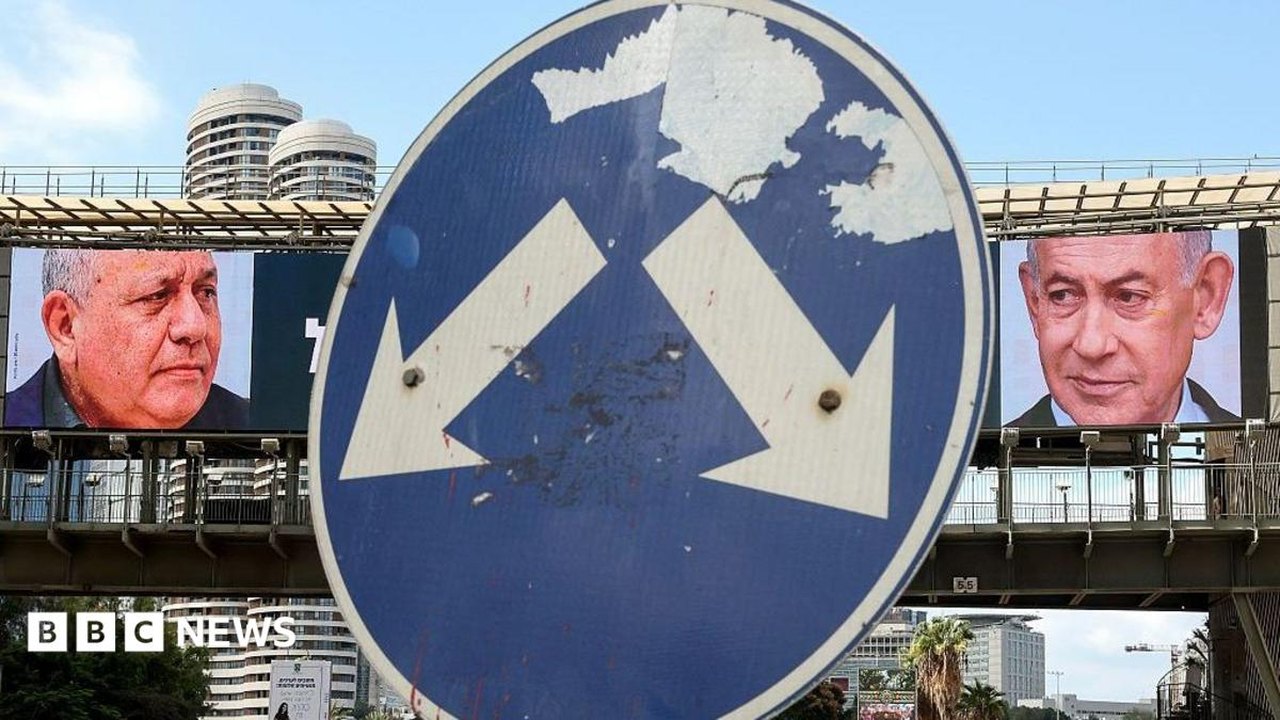 Israel’s Election Stalemate: Four Paths Out of the Deadlock
 Israel Faces Coalition Gridlock as Netanyahu's Bloc Loses Majority and Palestinian Parties Make Historic Gains
 Israel Faces Political Deadlock After High-Turnout Election Leaves No Clear Winner
 Accessing Curated Lifestyle and Wellness Resources via Navbharat Times
Trending on GlobeWire Daily
Selected from recent coverage and related topics; not live search rankings.
 Recent Program and Project Management Openings Highlighted for Boydton and Surrounding Regions
 Administrative and Support Job Openings Highlighted in Boydton Area Listings
 Overview of Military and Protective Services Openings in the Des Moines Area
 Navigating Free Sample Promotions and Trial Offers Across India: What Consumers Should Know
 Exploring the Landscape of Fantasy Cricket Apps and Platforms in India
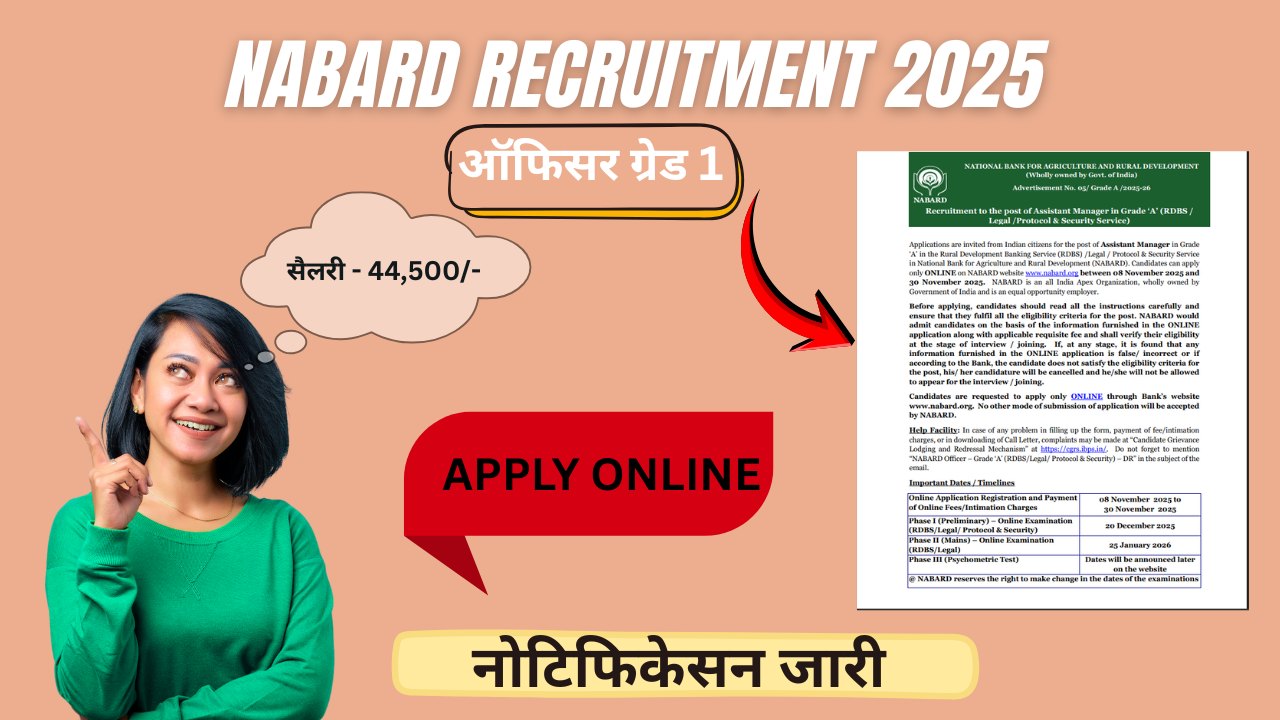 NABARD Opens Grade A Officer Recruitment 2025 for 91 Vacancies: What Applicants Need to Know