Israel Faces Coalition Gridlock as Netanyahu's Bloc Loses Majority and Palestinian Parties Make Historic Gains
· GlobeWire Daily World Desk · Source: www.theguardian.com
Image: www.theguardian.com — Creative Commons
Israel Election Deadlock
With nearly all votes counted, Prime Minister Benjamin Netanyahu’s coalition government has lost its parliamentary majority in Israel's most voted-for election in political history. However, the main opposition alliance has also failed to secure an outright majority, setting the stage for complex coalition negotiations or potential political stalemate.
According to Israeli media projections based on current vote shares, Netanyahu’s bloc is projected to win 53 seats. The opposition alliance, unofficially led by Gadi Eisenkot, is projected to win 48 seats. Meanwhile, Palestinian Israeli parties have achieved a historically strong turnout and are projected to secure 19 seats—with the Joint List winning at least 12 seats and Ra’am winning seven. A minimum of 61 seats is required to form a majority government in the 120-seat Knesset.
Timeline and Remaining Ballots
Election officials are currently processing the remaining votes, which consist primarily of absentee ballots. Israeli media reports indicate that absentee counting is expected to conclude on Wednesday night, with final official results projected to be released by Thursday.
Political Reactions and Rhetoric
Speaking at a post-election rally in Jerusalem, Netanyahu told supporters that official tallies will confirm Likud as Israel’s largest party. He advocated for the formation of a strong, right-wing national government and explicitly rejected the prospect of a administration reliant on the support of Palestinian parties.
In Tel Aviv, opposition figure Gadi Eisenkot addressed his supporters, arguing that the public had rejected Netanyahu’s leadership and calling for his retirement. Eisenkot also cautioned against using national security for political leverage during the ongoing transition period.
Practical Implications and Analysis
- Forming a Government: The central arithmetic problem facing Israeli politics is how either major bloc can reach the 61-seat threshold. The Eisenkot-led "Change" bloc—comprising Naftali Bennett’s Together party, Yair Golan’s Democrats, and Yisrael Beiteinu—faces critical decisions regarding whether to attempt partnerships with Palestinian parties, work alongside elements of Netanyahu's camp, or push for a new election.
- Voter Turnout: The election saw record participation, driven in part by high turnout among Palestinian Israelis (who make up roughly 20% of the population) responding to experiences of increased discrimination, as well as significant participation from abroad and nearly 80% turnout among IDF soldiers.
- What is Confirmed vs. Unknown: Current seat projections, vote counts, and candidate statements are established. However, exact final seat allocations remain subject to change until absentee ballots are fully tallied and official results are certified.
Readers can verify official developments and monitor final certified vote counts directly through the [The Guardian's coverage](https://www.theguardian.com/world/2026/oct/28/israel-election-results-what-we-know-so-far-ntwnfb).
AI-assisted reporting; source claims are attributed and have not been independently verified.
More to read
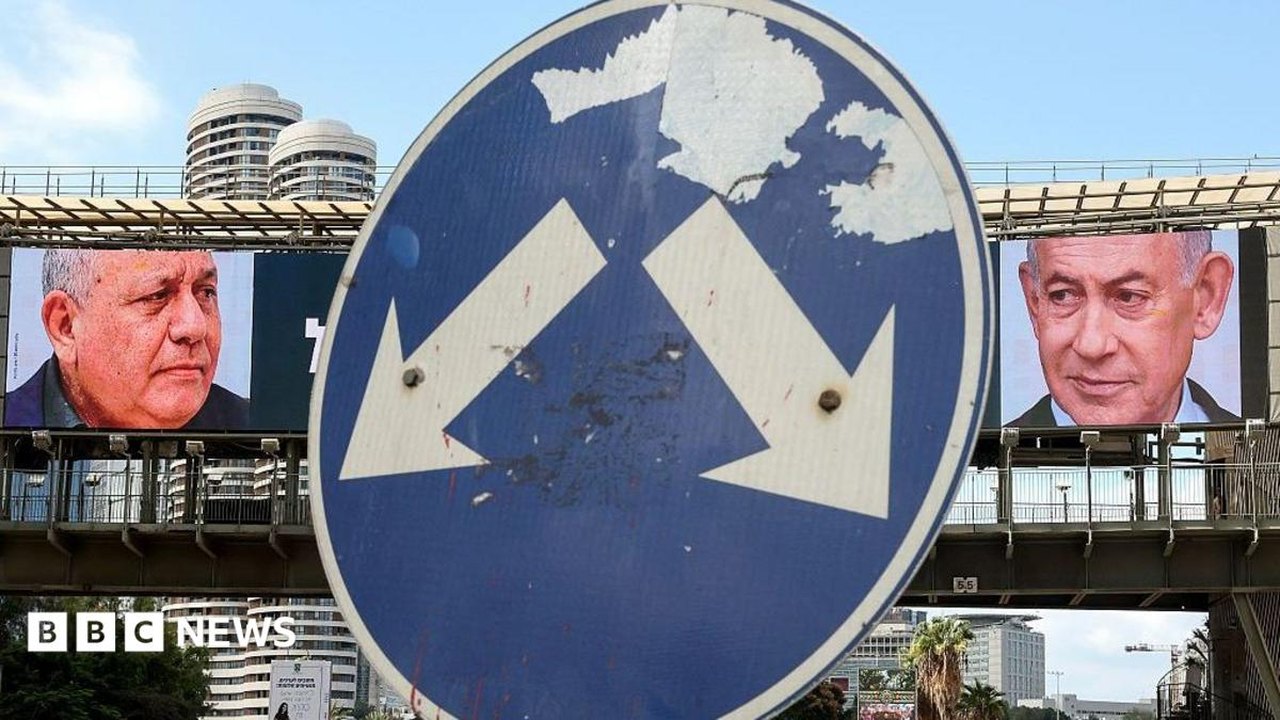 Israel’s Election Stalemate: Four Paths Out of the Deadlock
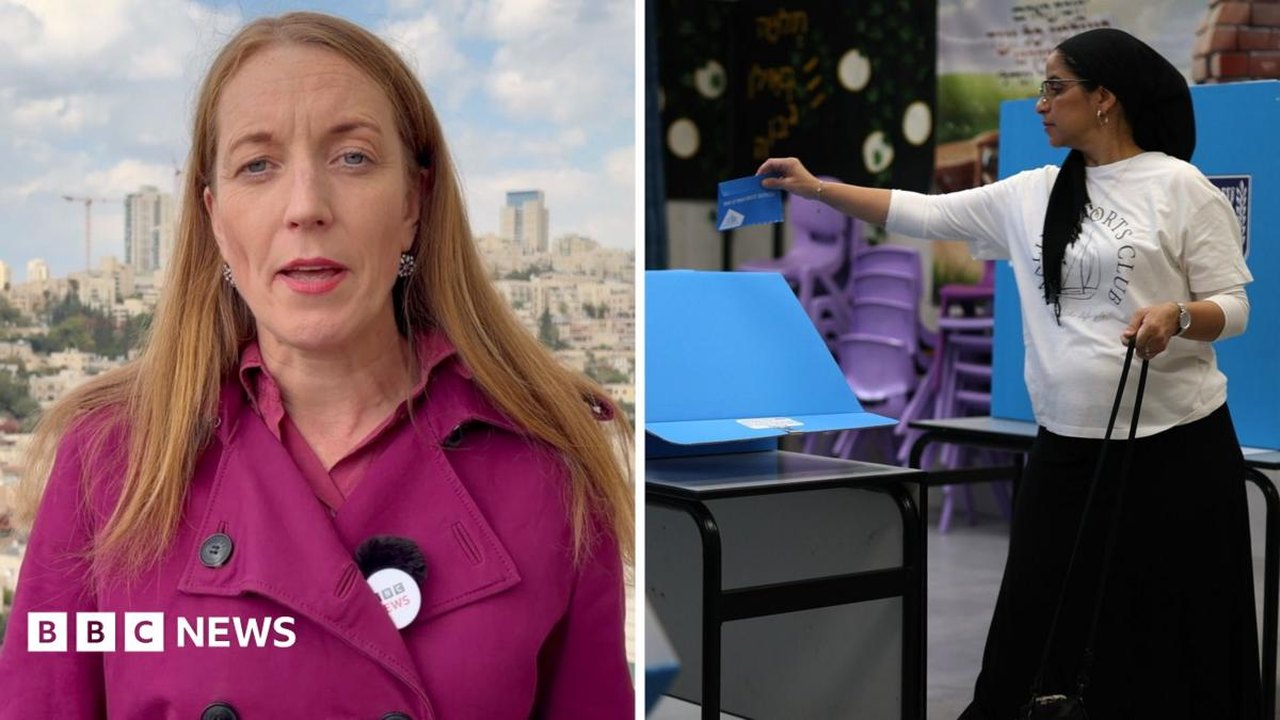 Israel Faces Political Deadlock After High-Turnout Election Leaves No Clear Winner
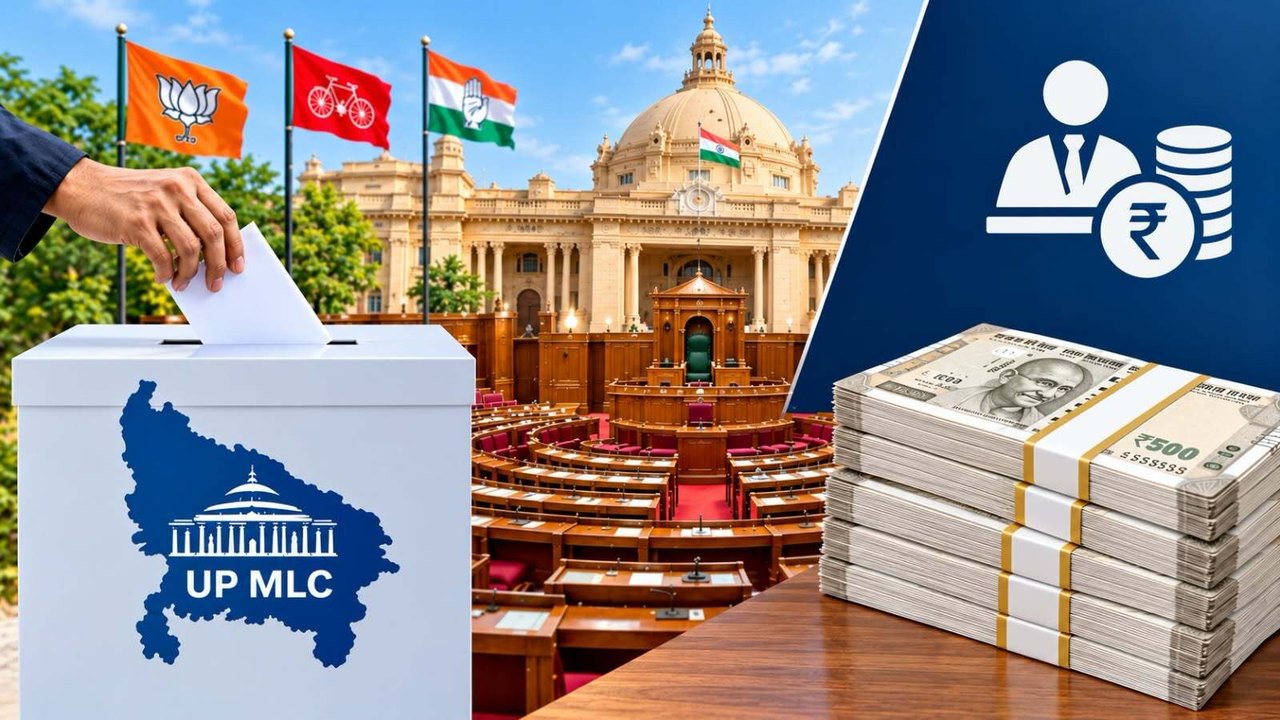 Uttar Pradesh Legislative Council members receive ₹2.66 lakh monthly and hold limited legislative powers, official figures show
 Accessing Curated Lifestyle and Wellness Resources via Navbharat Times
Trending on GlobeWire Daily
Selected from recent coverage and related topics; not live search rankings.
 Recent Program and Project Management Openings Highlighted for Boydton and Surrounding Regions
 Administrative and Support Job Openings Highlighted in Boydton Area Listings
 Overview of Military and Protective Services Openings in the Des Moines Area
 Navigating Free Sample Promotions and Trial Offers Across India: What Consumers Should Know
 Exploring the Landscape of Fantasy Cricket Apps and Platforms in India
 NABARD Opens Grade A Officer Recruitment 2025 for 91 Vacancies: What Applicants Need to Know