Australia's Mining Sector Buries Thousands of Tonnes of Tyres Amid Global Rubber Shortfall
· GlobeWire Daily World Desk · Source: www.abc.net.au
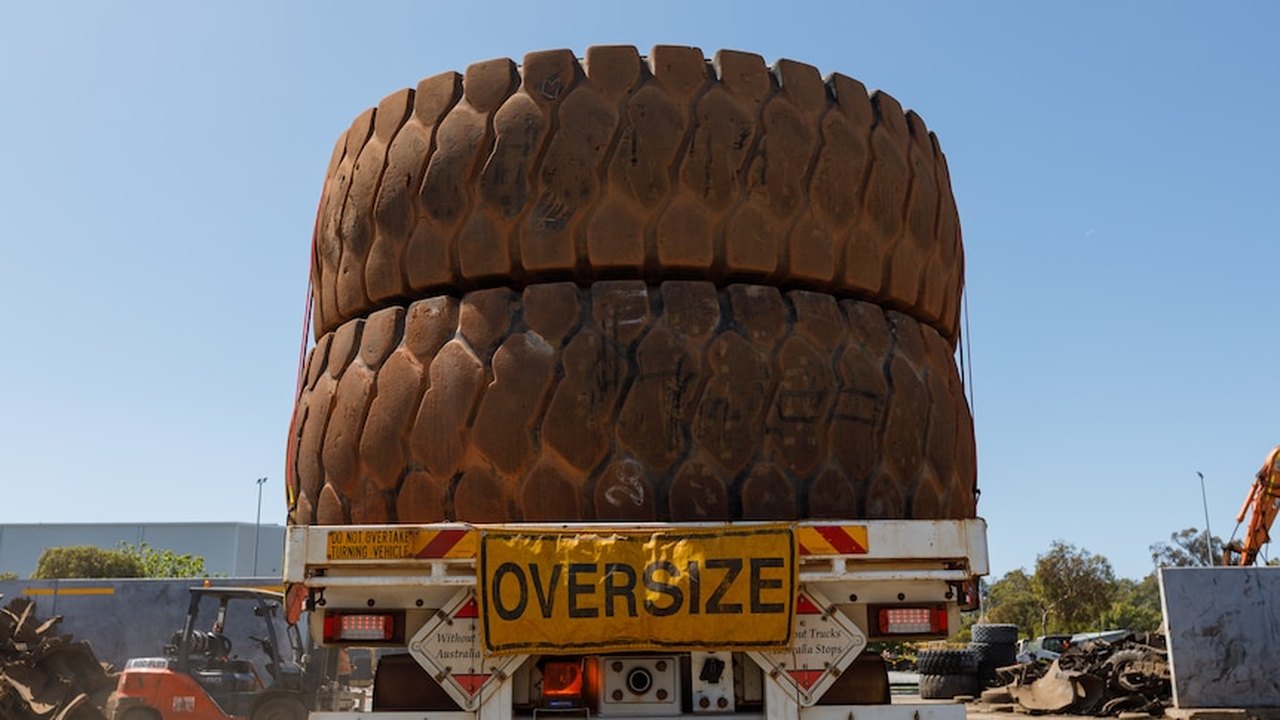
Image: www.abc.net.au · Photo source · Resized and letterboxed to 16:9; no AI generation
According to a report cited by the Australian Tyre Recyclers Association (ATRA), major miners in Australia bury more than 100,000 tonnes of used off-the-road (OTR) tyres annually, representing up to $200 million in raw natural rubber. The Australian Broadcasting Corporation (ABC) reported on October 30, 2026, that advocates are calling for stricter regulations on mining tyre disposal as global rubber production faces challenges.
Scale of OTR Tyre Burial and Economic Value
ATRA reported that only about two per cent of OTR mining tyres are recovered, contrasting with passenger and commercial tyres, which achieve a 96 per cent collection rate. Weighing between four and six tonnes each, these giant tyres are legally permitted to be buried, stockpiled, or sent to landfill by the mining industry. ATRA executive officer Robert Kelman stated that the buried rubber could be worth up to $200 million annually, a figure expected to rise as global rubber production lags behind demand.
Global Rubber Shortfall and Market Factors
- The Association of Natural Rubber Producing Countries forecasts a natural rubber shortage of 317,000 tonnes in 2026 due to erratic weather in south-east Asian plantations.
- University of Melbourne rubber expert Miles Kenney-Lazar noted that environmental factors such as flooding and climate change are impacting plantations.
- Demand for rubber continues to grow, driven partly by electric vehicles, which are heavier and wear through rubber faster.
Infrastructure Capacity and Industry Challenges
Governments and industry have invested in recycling infrastructure, including a facility built by Tyrecycle in Western Australia's Pilbara region, which accounts for 49 per cent of the nation's mining tyres. However, company spokesperson Ashley Battilana reported that 18 months after opening in Port Hedland, the plant processes only 2,000 to 3,000 tonnes annually against a 30,000-tonne capacity, citing allowed on-site burial as a deterrent to recycling costs.
Meanwhile, the Chamber of Minerals and Energy WA policy and advocacy director Anita Logiudice cited logistical challenges in transporting OTR tyres from remote mines and a small local market for crumb rubber as barriers. A federal parliamentary inquiry previously recommended a staged reduction of on-site burial over five years, with a spokesperson for Industry and Innovation Minister Tim Ayres stating that the government is still considering its response.
AI-assisted reporting; source claims are attributed and have not been independently verified.
More to read
 Brazil Election Win Offers Lessons for Global Environmental and Social Movements
 Australia Prepares for Cape Town Test Amid Pulsating Series Context
 Australia Must Re-Win Argument for Democratic Politics, Says Alastair Campbell Following Haines Incident
 Australia and Indonesia: Building a Partnership as Neighbours by Choice
Trending on GlobeWire Daily
Selected from recent coverage and related topics; not live search rankings.
 Madhya Pradesh Government Plans Revenue Generation from 117-Year-Old Edward Villa in Mumbai Through Leasing
 iPhone 18 Pro Named TechRadar Product of the Year 2026
 Google Project Suncatcher Runs Gemma 4 AI on Orbiting Satellite and Receives First Response
 Gender Disparities in Eye Care Access Across India Examined
 Satellite Images Show Cyclone Arnab Weakening Over India As New System Brews
 Expanding Green and Blue Spaces Crucial for India's Economic and Public Health, Reports Indicate