How a 3,106-Carat Rough Diamond Became Part of the British Royal Sceptre
· GlobeWire Daily World Desk · Source: timesofindia.indiatimes.com
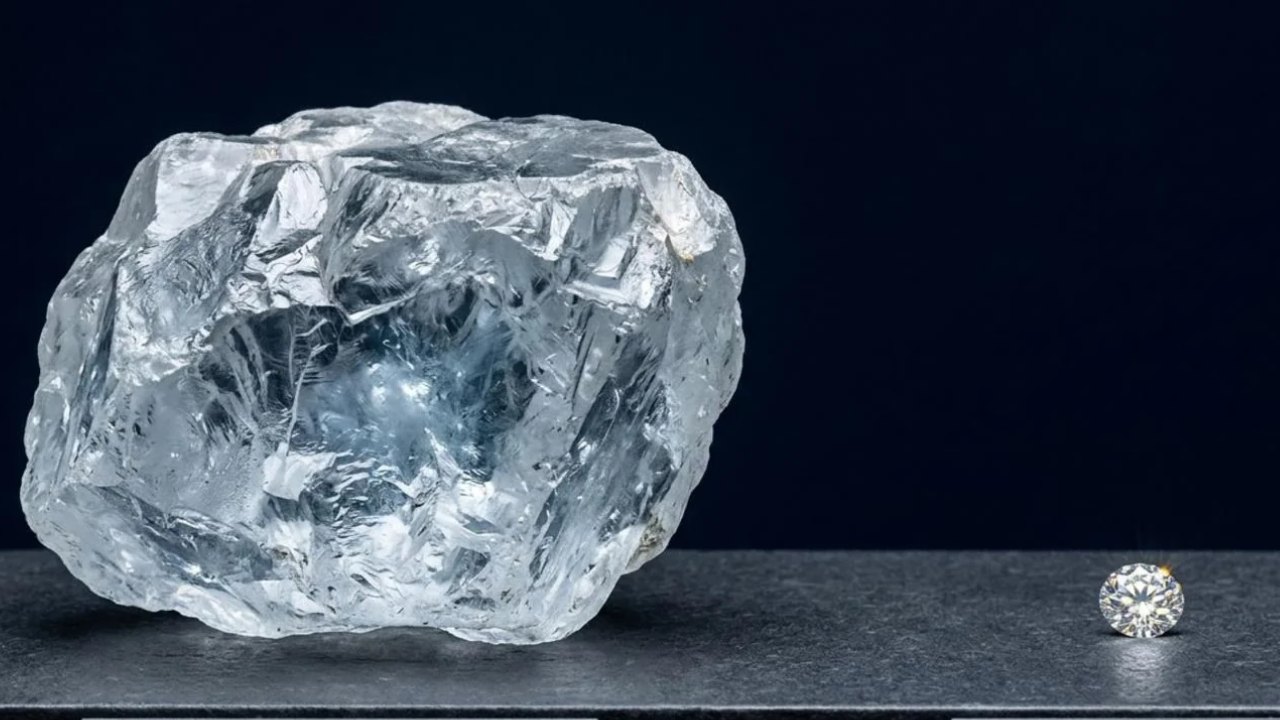
Image: The Times of India · Photo source · Resized and letterboxed to 16:9; no AI generation
The discovery of a 3,106-carat rough diamond in South Africa in 1905 led to the creation of some of the world's most famous gemstones, including the Great Star of Africa set in the British royal sceptre. According to the Royal Collection Trust and Historic Royal Palaces, the stone was found on January 26, 1905, by Frederick Wells, the surface manager of the Premier Mine near Pretoria.
Discovery and Transport
Wells spotted the large crystal embedded in a mine wall about 18 feet below ground and prised it out with a pocket knife. Named after mine chairman Sir Thomas Cullinan, the enormous stone was displayed briefly in Johannesburg before being sent to London in 1905. To ensure safety during transit, Historic Royal Palaces records that a guarded replica was sent by ship as a decoy, while the genuine diamond was dispatched through ordinary insured parcel post.
Cutting and Royal Presentation
The Transvaal government purchased the stone and presented it to Britain's King Edward VII in 1907 following the South African Wars of 1899-1902 to help repair political relations. Edward VII entrusted the gem to the Asscher firm in Amsterdam. According to the Royal Collection Trust, the cutting process took eight months, during which workers spent four days preparing a groove. When the first cleaving blow was struck, the knife broke while the diamond remained intact before a second attempt succeeded.
Legacy in the Crown Jewels
The cutting process produced nine major stones, 97 smaller brilliant-cut diamonds, and unpolished fragments. The largest, the 530.2-carat Cullinan I or Great Star of Africa, was later incorporated into the Sovereign's Sceptre with Cross by King George V following Edward VII's death in 1910. The second-largest, Cullinan II, was placed in the Imperial State Crown. Both stones remain part of the Crown Jewels displayed at the Tower of London, while other pieces became part of various royal ornaments.
AI-assisted reporting; source claims are attributed and have not been independently verified.
More to read
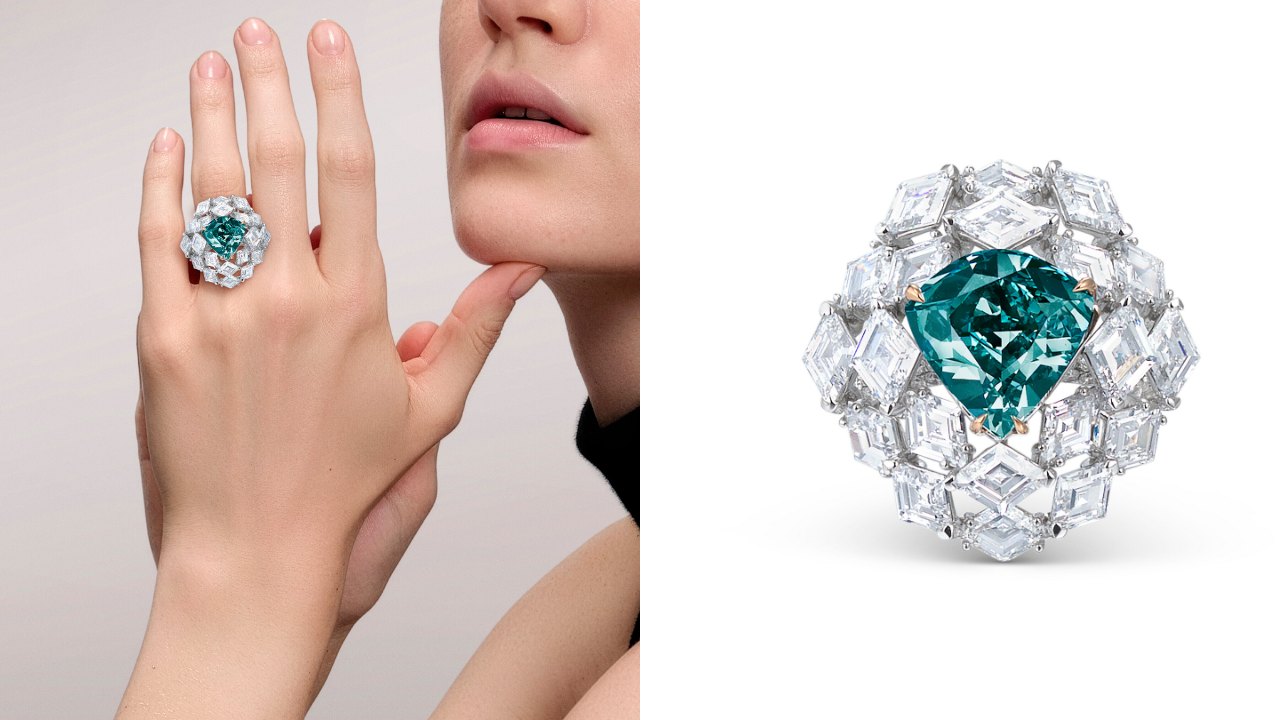 Rare 5.50-Carat Blue-Green Diamond 'Ocean Dream' Sells for $17.3 Million at Christie's Geneva
 British Student Pilot Among Three Dead in Oregon Helicopter Collision
 British Politicians and International Delegates Barred from Entering West Bank
 British Council's £197m Debt Should Mostly Be Written Off, MPs Say
Trending on GlobeWire Daily
Selected from recent coverage and related topics; not live search rankings.
 Madhya Pradesh Government Plans Revenue Generation from 117-Year-Old Edward Villa in Mumbai Through Leasing
 iPhone 18 Pro Named TechRadar Product of the Year 2026
 Google Project Suncatcher Runs Gemma 4 AI on Orbiting Satellite and Receives First Response
 Gender Disparities in Eye Care Access Across India Examined
 Satellite Images Show Cyclone Arnab Weakening Over India As New System Brews
 Expanding Green and Blue Spaces Crucial for India's Economic and Public Health, Reports Indicate