Israel Election Heads Toward Deadlock as Vote Counting Continues
· GlobeWire Daily World Desk · Source: deadline.com
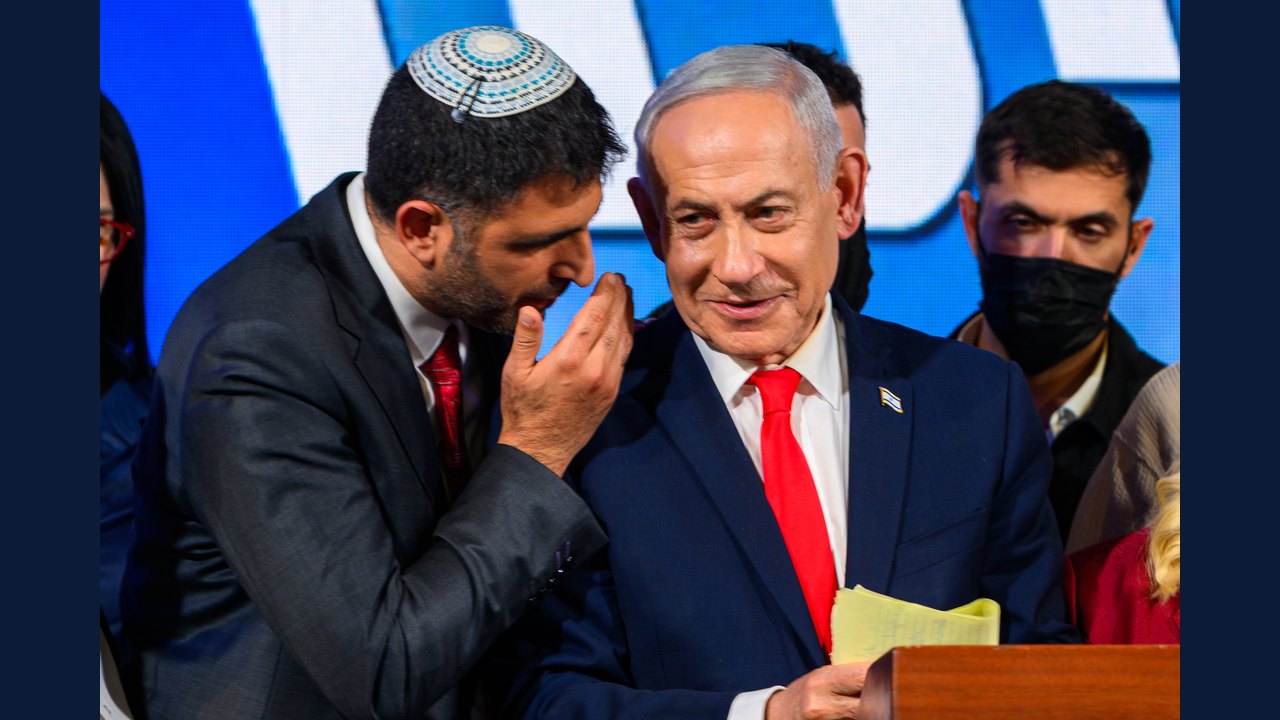
Image: Max Goldbart,Melanie Goodfellow · Photo source · Resized and letterboxed to 16:9; no AI generation
As of Tuesday, Israeli election ballots continue to be counted, pointing increasingly toward a potential deadlock as parties opposed to incumbent Prime Minister Benjamin Netanyahu and his right-wing bloc pull ahead in reported figures. According to reported data from approximately 85% of the vote counted, opposition parties have won 67 seats, including 19 for Arab parties, while Netanyahu’s coalition led by his Likud party holds 53 seats.
Vote Count and Projections
- Voter Turnout: The Central Elections Committee reported a 77.7% voter turnout on Tuesday, marking the highest level since 1999.
- Leading Party: Likud is projected to remain the largest single party in the Knesset, the Israeli parliament, with its leader Benjamin Netanyahu maintaining a slender lead according to ongoing counts and network projections.
- Challenger Position: Rival Gadi Eisenkot’s Yashar Party has won 21 seats, with his broader bloc securing 48 seats.
Key Factors and Next Steps
- Absentee Ballots: Focus has shifted to roughly 600,000 absentee ballots—accounting for 10% of the votes, cast mainly by Israeli military personnel—with counting scheduled to begin at midnight local time.
- Potential Kingmakers: Palestinians with Israeli citizenship make up about 20% of the population and are projected to potentially act as kingmakers. However, Eisenkot has previously rejected joining forces with Arab parties due to a "lack of shared values," and it remains to be seen if an agreement can be reached.
- Government Formation Process: Neither Netanyahu nor Eisenkot has declared victory, though both told supporters they should form the government. Since neither side holds an outright majority, Israeli President Isaac Herzog will likely task one of them with forming a government. The candidate chosen will have 28 days to build a coalition, with a possible 14-day extension.
Readers can verify official election results directly through announcements by the Israel Central Elections Committee or major accredited international news outlets.
AI-assisted reporting; source claims are attributed and have not been independently verified.
More to read
 Netanyahu Alleges Election Stolen by Arab Parties Amid Vote Counting
 Israel Completes Vote Count in October 27 Election, Leaving Netanyahu's Bloc Short of Majority
 Israel’s Election Stalemate: Four Paths Out of the Deadlock
 Israel Faces Political Deadlock After High-Turnout Election Leaves No Clear Winner
Trending on GlobeWire Daily
Selected from recent coverage and related topics; not live search rankings.
 Madhya Pradesh Government Plans Revenue Generation from 117-Year-Old Edward Villa in Mumbai Through Leasing
 iPhone 18 Pro Named TechRadar Product of the Year 2026
 Google Project Suncatcher Runs Gemma 4 AI on Orbiting Satellite and Receives First Response
 Gender Disparities in Eye Care Access Across India Examined
 Satellite Images Show Cyclone Arnab Weakening Over India As New System Brews
 Expanding Green and Blue Spaces Crucial for India's Economic and Public Health, Reports Indicate