Spain Train Crash: Initial Findings Reveal Signalling Failures and 160-200 kmph Collision Speed
· GlobeWire Daily World Desk · Source: timesofindia.indiatimes.com
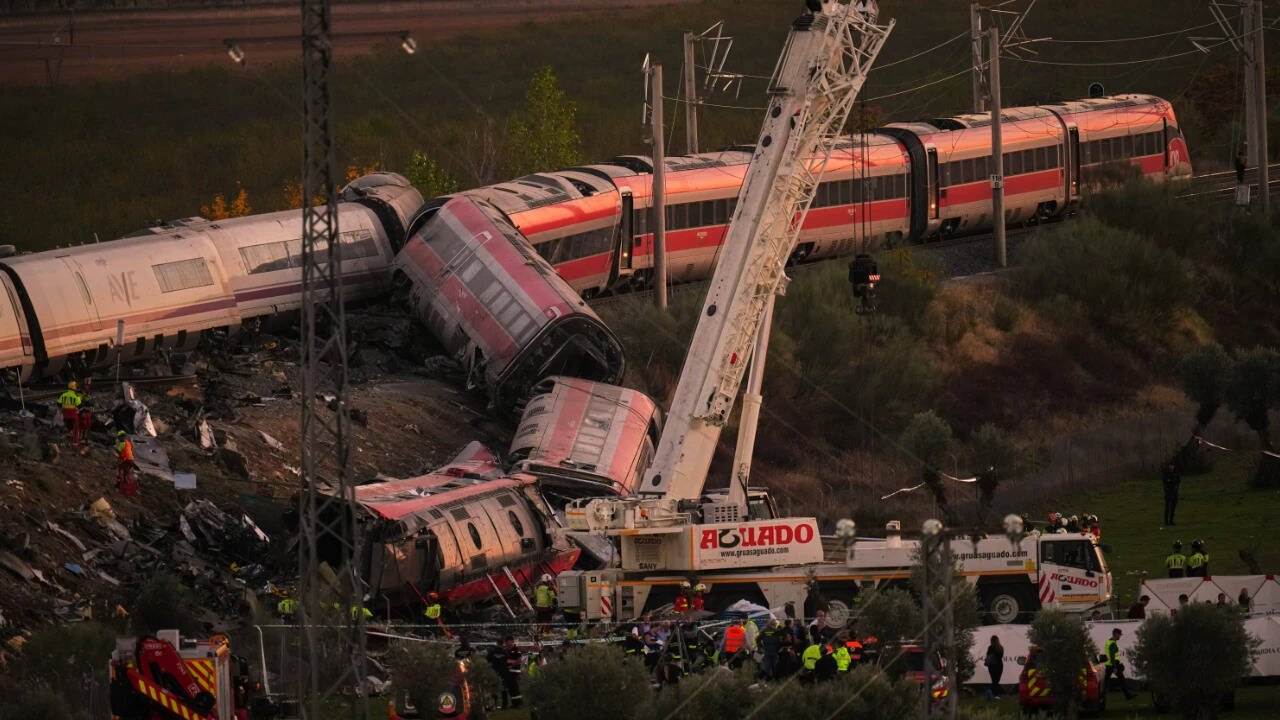
Image: The Times of India · Photo source · Resized and letterboxed to 16:9; no AI generation
Initial findings from independent investigators indicate that a railway signalling system failure preceded a deadly train collision in Spain that resulted in 69 deaths and over 200 injuries. The incident occurred on Wednesday at 8:53 AM near Urda station in Toledo province, involving two high-speed trains on the Madrid-Seville line.
According to the investigation-opening notice published by Spain’s Independent Administrative Authority for the Technical Investigation of Railway, Maritime and Civil Aviation Accidents and Incidents (AITAT), a stationary eight-carriage Iryo train carrying 147 passengers and five crew members was struck from behind by an eight-carriage Renfe AVE train carrying 379 passengers and seven crew members.
Crash Dynamics and Preliminary Speed Estimates
Investigators estimated the collision speed at between 160 and 200 kmph, pending confirmation from the trains' onboard event recorders. The impact caused the leading carriage of the Renfe train to pierce the rear carriage of the Iryo train. Both carriages overturned and fell to the foot of the railway embankment. Additional carriages from both trains also derailed or fell down the embankment.
Signalling System Failure and Communications
The preliminary review pointed to a failure of the LZB signalling system beginning at approximately 8:31 AM, which forced operations onto the alternative Lateral Signalling Block (BSL) system. The control centre (CRC) and train drivers subsequently exchanged instructions via formal railway telephone messages. AITAT reported that the sequence of failures and subsequent actions may have contributed to the collision without adequate protective barriers intervening, though investigators cautioned that all possible explanations remain open.
Official Responses and Safety Concerns
- Transport Minister: Óscar Puente criticized the decision to permit the Renfe train to resume normal operations while the Iryo train was stationary.
- Railway Unions: Highlighted repeated signalling failures and staffing concerns, arguing that human operators are increasingly tasked with managing situations intended for automated systems.
*Verification of official findings can be pursued through notices and reports published by AITAT and statements from the Spanish Ministry of Transport.*
AI-assisted reporting; source claims are attributed and have not been independently verified.
More to read
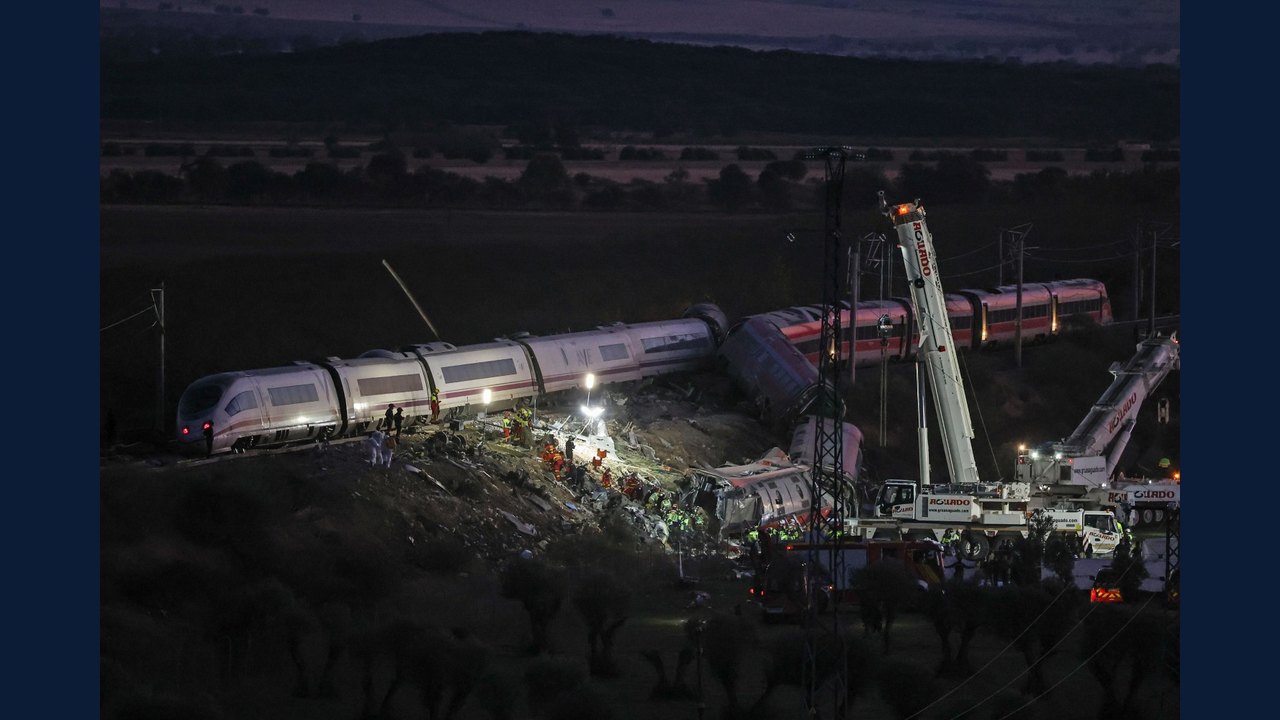 Audio recordings reveal decisions before deadly train crash in Spain
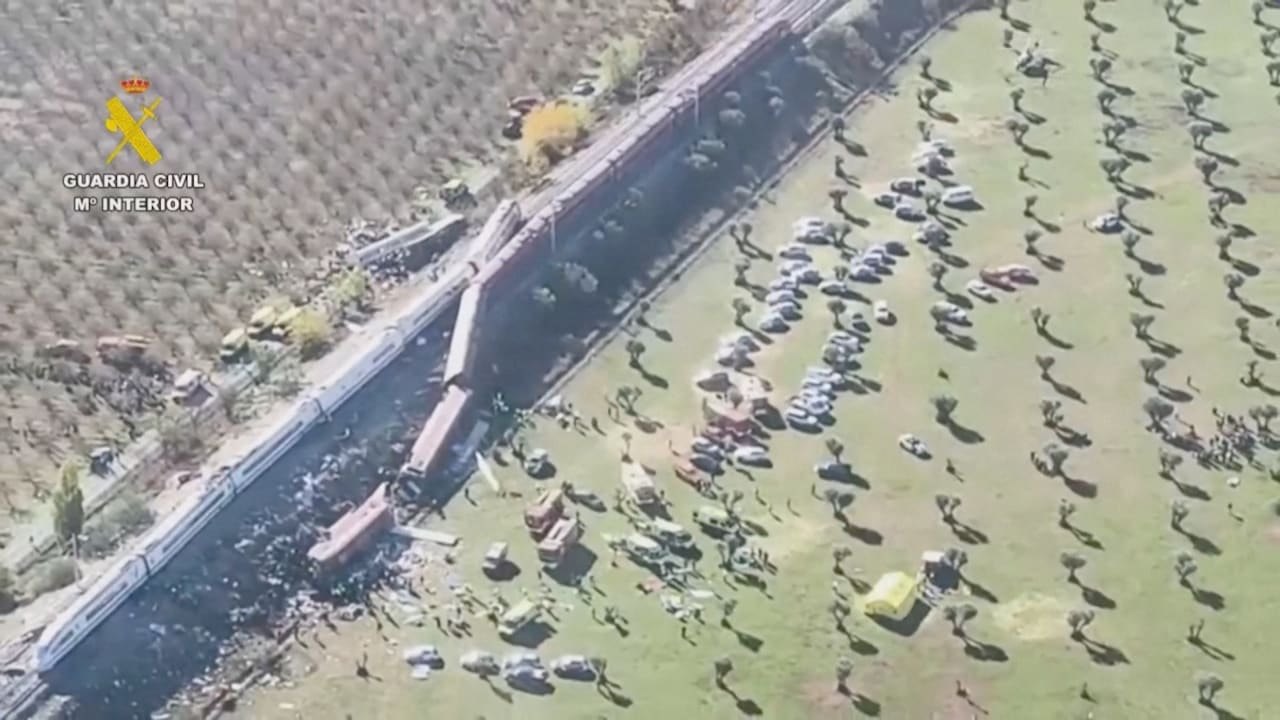 68 Killed in High-Speed Train Collision Near Toledo, Spain
 Spain’s Transport Minister Resigns After Deadly High‑Speed Train Crash
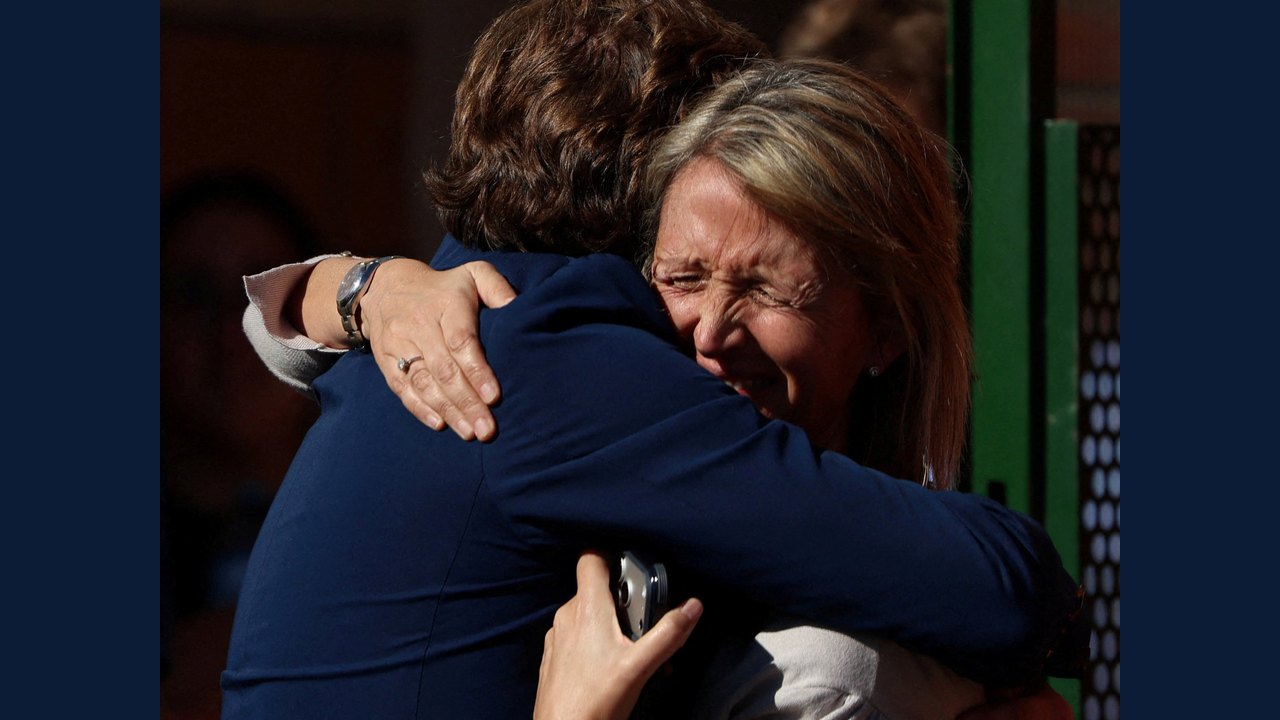 Spain Mourns Following Deadly High-Speed Train Collision
Trending on GlobeWire Daily
Selected from recent coverage and related topics; not live search rankings.
 Bihar Police Intervene as Vlogger Films Video at Railway Station, Sparking Online Discussion
 Unusual Snake Discovery Inside a Refrigerator Door Recorded in Viral Instagram Video
 Viral Post Highlights Train Seat Struggles for Soldier Traveling with Family, Sparking Online Debate
 Viral Video of Couple Marking New Car with Footprints Sparks Online Debate
 Wall Demolition Uncovers Hidden Pot, Sparking Viral Treasure Hopes Before the Twist
 Viral Video Shows Grandmother Advising Parents Against Prioritizing Society Over Children's Dreams