Study Examines Dynamics of Measles Outbreak in Uganda's Refugee-Hosting District
· GlobeWire Daily World Desk · Source: bioengineer.org
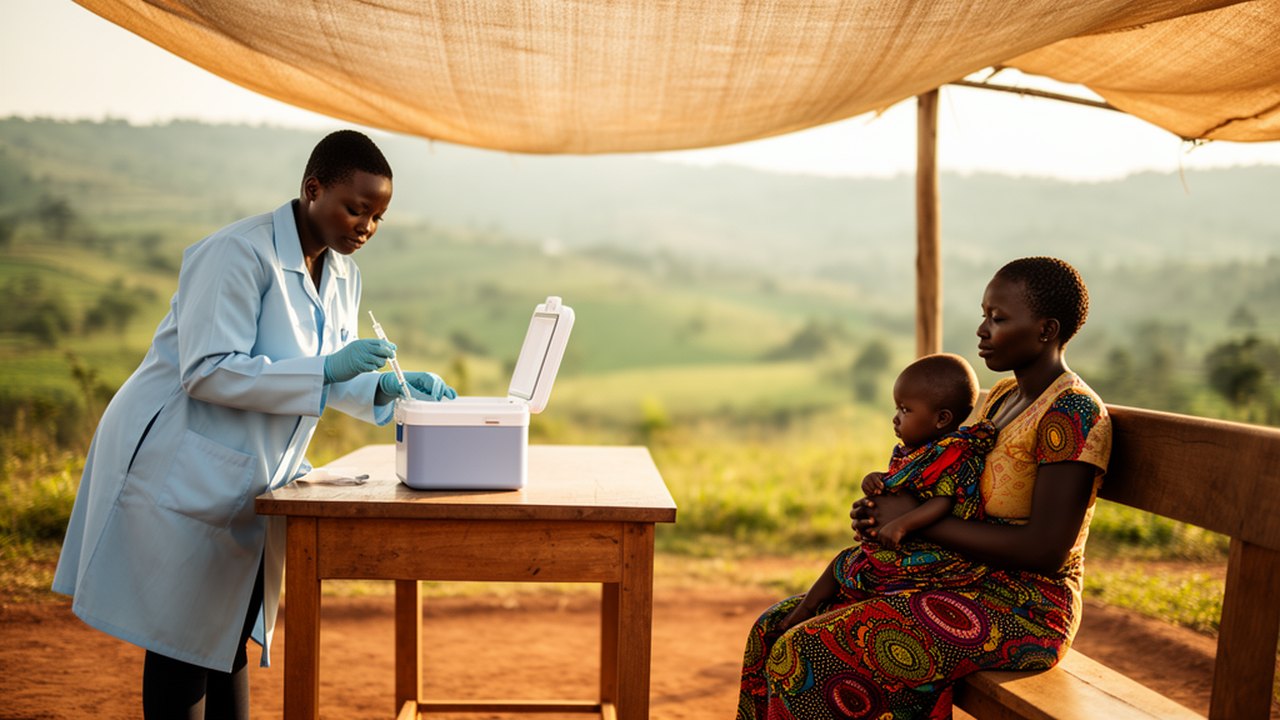
Image: BIOENGINEER.ORG · Photo source · Resized and letterboxed to 16:9; no AI generation
An epidemiological investigation into a measles outbreak in Kamwenge District, Uganda, has identified how gaps in routine immunization and crowded social gatherings facilitated viral transmission. The study, focusing on an outbreak occurring between February and July 2025, recorded 109 cases, including three laboratory-confirmed and 106 clinically compatible patients.
Key Findings
- Outbreak Scope: The outbreak affected 17 subcounties, with an overall attack rate of 3.2 cases per 10,000 population.
- Demographic Impact: Refugee populations experienced an attack rate of 13.3 per 10,000 compared to 1.9 per 10,000 among national residents. Children aged 9 to 17 months were most heavily impacted.
- Transmission Drivers: Multivariable analysis found that attending religious worship gatherings increased infection risk by 11-fold.
- Vaccine Effectiveness: The study confirmed high vaccine effectiveness, with a 93% protection rate after one dose and 95% after two doses, suggesting the outbreak was driven by low coverage rather than vaccine failure.
Challenges and Observations
Researchers noted significant discrepancies between administrative reporting and actual vaccination coverage. While some subcounties reported over 100% coverage, field data indicated only 36% coverage for the second dose among eligible controls. Environmental assessments at local health centers highlighted vulnerabilities, including inadequate triage protocols and a lack of dedicated isolation infrastructure for suspected cases.
Study Limitations
The investigation faced challenges such as reliance on caregiver recall for vaccination history and qualitative environmental observations. Researchers concluded that addressing structural barriers to healthcare, improving second-dose uptake, and engaging community leaders are critical for curbing measles transmission in refugee-hosting regions.
AI-assisted reporting; source claims are attributed and have not been independently verified.
More to read
 New Study Examines Voluntary Return of Yemeni Diaspora During Ongoing Conflict
 Domestic Travel Fueled Five Measles Importations to Washington State from South Carolina, Study Finds
 BBC Scotcast Examines Scottish Government Response to Alan Milburn NEETs Report
 Hardy Cattle Herd Plays Vital Role in Lake District Conservation