Systemic Rise in Children Starting School with Complex Needs in Canberra
· GlobeWire Daily World Desk · Source: www.abc.net.au

Image: www.abc.net.au · Photo source · Resized and letterboxed to 16:9; no AI generation
A recent analysis of Australian Early Development Census (AEDC) data reveals a consistent rise in children starting kindergarten in Canberra with complex developmental needs. The findings, prepared by the Nous Group for the ACT government, indicate that the capital is facing a sustained increase in developmental vulnerability that spans across diverse demographic and socioeconomic groups.
Key Findings from the AEDC Data
- Increasing Vulnerability: The proportion of children starting school with developmental vulnerability has risen in every AEDC reporting cycle since 2015.
- Current Statistics: Approximately one in four children now begins school with at least one area of significant concern. In an average kindergarten class of 22 students, roughly six children require additional support.
- Geographic Impact: While the trend is broad, outer districts such as Gungahlin, Tuggeranong, and Belconnen are identified as being at higher risk of worsening developmental outcomes.
- Developmental Domains: Challenges are most prevalent in social, emotional, and physical development, rather than cognitive or academic skills.
Contributing Factors and Expert Observations
Experts, including University of Canberra researcher Deborah Pino-Pasternak, attribute these trends to mounting pressures on families. Observations suggest that the traditional 'village' support structure for families is eroding, leading to more isolated, nuclear family units.
Additional factors highlighted include:
- Reduced Interaction: The frequency of parents reading to children has dropped from 75% in 2015 to 69% in 2024. Data indicates that children not read to at home are significantly more likely to be developmentally vulnerable.
- Screen Time: In 2022, nearly half of ACT kindergarten children spent at least two hours on screens daily, with 21% exceeding four hours. This increased usage is linked to parental fatigue and time constraints.
- Family Dynamics: Stress related to cost-of-living and workloads is impacting the quality of parent-child interactions, with technology often being used to manage family stress.
Proposed Solutions
Researchers suggest that the current fragmented support system is insufficient for modern family needs. They recommend the development of 'integrated hubs' that combine social work and nursing services to provide more comprehensive support for families. Interested parties can review the full AEDC census data on the official Australian Early Development Census website to verify findings and methodologies.
AI-assisted reporting; source claims are attributed and have not been independently verified.
More to read
 Examining the Rise of Youth-Led Protests Across Europe
 Dr. Bhimrao Ambedkar University Prepares to Host Three-Day Unifest Starting Tomorrow
 Father and 11-Year-Old Son Die in Greater Noida High-Rise Fall
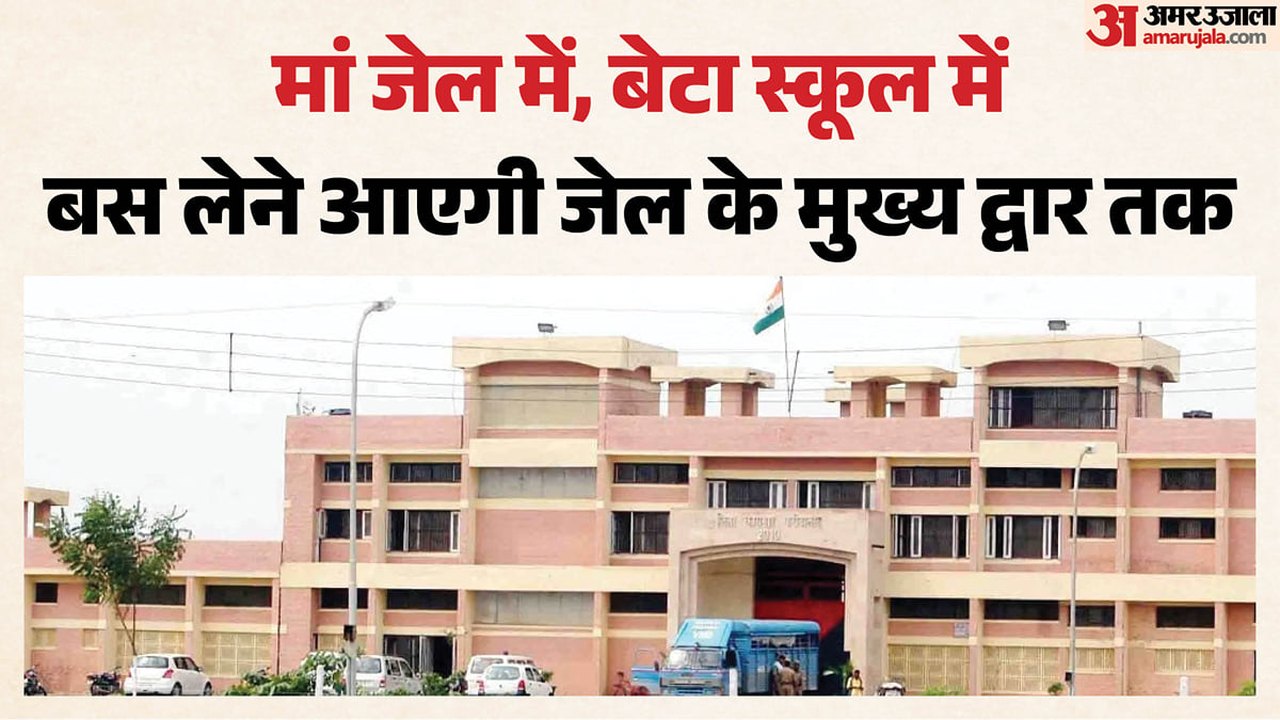 In a First for Faridabad Jail, Inmate's Five-Year-Old Son Enrolled in Nursery School with Bus Pickup
Trending on GlobeWire Daily
Selected from recent coverage and related topics; not live search rankings.
 Madhya Pradesh Government Plans Revenue Generation from 117-Year-Old Edward Villa in Mumbai Through Leasing
 iPhone 18 Pro Named TechRadar Product of the Year 2026
 Google Project Suncatcher Runs Gemma 4 AI on Orbiting Satellite and Receives First Response
 Gender Disparities in Eye Care Access Across India Examined
 Satellite Images Show Cyclone Arnab Weakening Over India As New System Brews
 Expanding Green and Blue Spaces Crucial for India's Economic and Public Health, Reports Indicate