Google Reports AI Tools Accelerate Medical Research and Health Outcomes
· GlobeWire Daily Editorial Desk · Source: blog.google
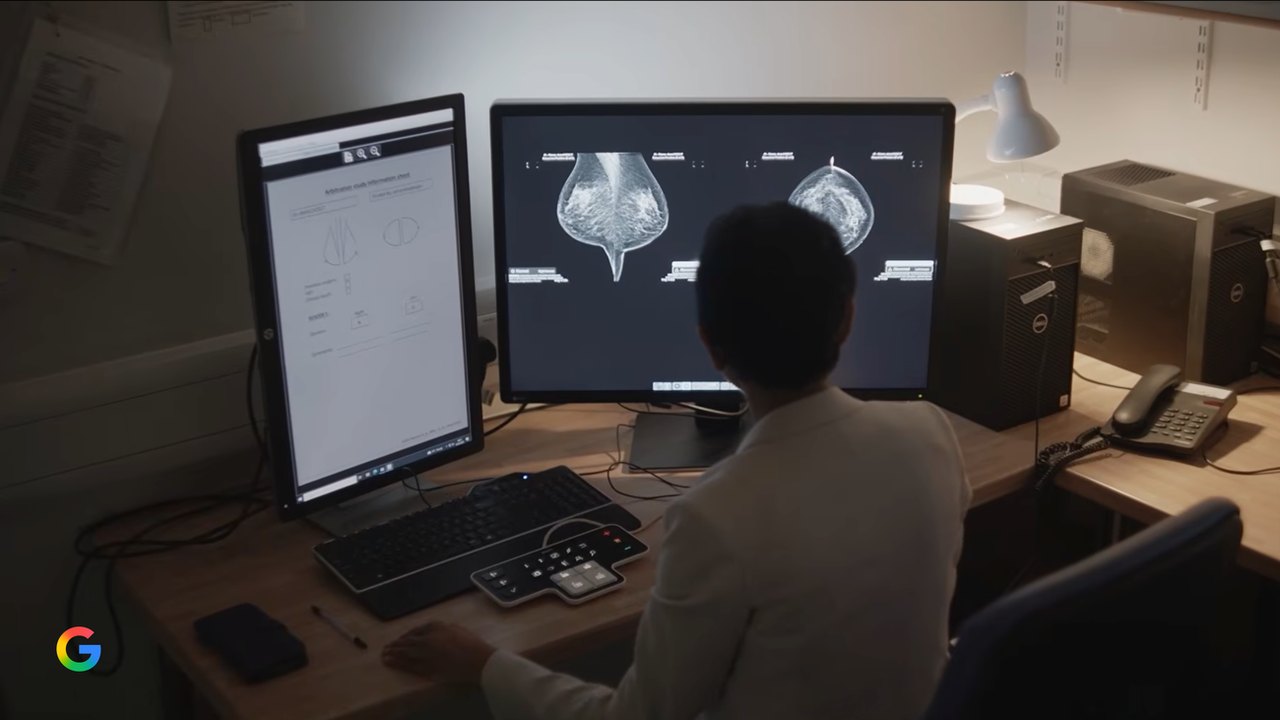
Image: Google · Photo source · Resized and letterboxed to 16:9; no AI generation
According to published reports and research collaborations, Google is utilizing artificial intelligence and open-access platforms to support medical research, disease detection, and public health initiatives. Over the past five years, Google teams and collaborators have published 90 peer-reviewed research papers accumulating over 90,000 citations. ## Key Applications and Research Findings - Drug Discovery: Researchers at the Institute for Global Health in Barcelona used AlphaFold to screen 30,000 compounds for Chagas disease, helping identify two FDA-approved drugs for potential repurposing. - Genomic Analysis: Scientists at the University of Exeter used the AlphaGenome Atlas to analyze genomic data from over 54,000 individuals, identifying variants tied to critical proteins. In collaboration with Stanford University School of Medicine, tools like DeepVariant and DeepConsensus achieved whole genome sequencing in under eight hours in clinical trials. - Brain Mapping: Partnering with Harvard's Lichtman Lab, a human brain fragment was reconstructed at nanoscale resolution, with data made available via Neuroglancer alongside mapped models of flies, zebrafish, and songbirds. - Oncology and Diagnostics: Studies with Imperial College London and the NHS evaluated mammography screening systems across 125,000 women, noting the detection of historically missed interval cancers and potential workload reductions. Children's Mercy Hospital also applied DeepSomatic to identify pediatric leukemia mutations. - Public Health Forecasting: A Google flu forecasting model was ranked first by the CDC for predicting hospital admissions during the 2025–2026 season. Additionally, WHO AFRO and DRC's INRB utilized geospatial models to help identify Ebola exposure risks. ## Support and Verification Google.org has provided over $60 million in 2026 to organizations applying advanced models, including the Infectious Disease Institute at Makerere University and the University of Pennsylvania. Readers can explore open-access platforms, published studies in journals like Nature Cancer, and original announcements from research institutions to verify these findings and understand their practical implications in patient care.
AI-assisted reporting; source claims are attributed and have not been independently verified.
More to read
 Google Announces New Singapore Research Hub and Healthcare AI Initiatives
 Google Uses AI and Satellite Imagery to Support Proactive Public Health and Disease Forecasting
 Google Announces New Gemini Tools to Help Small Business Owners Manage Tasks and Finances
 Streamlining Personal Research: How to Turn Google Drive Into a Gemini-Powered Knowledge Base
Trending on GlobeWire Daily
Selected from recent coverage and related topics; not live search rankings.
 Madhya Pradesh Government Plans Revenue Generation from 117-Year-Old Edward Villa in Mumbai Through Leasing
 iPhone 18 Pro Named TechRadar Product of the Year 2026
 Google Project Suncatcher Runs Gemma 4 AI on Orbiting Satellite and Receives First Response
 Gender Disparities in Eye Care Access Across India Examined
 Satellite Images Show Cyclone Arnab Weakening Over India As New System Brews
 Expanding Green and Blue Spaces Crucial for India's Economic and Public Health, Reports Indicate