Nvidia and PreussenElektra to Study Converting Retired German Nuclear Sites Into AI Data Centers
· GlobeWire Daily Editorial Desk · Source: www.techradar.com
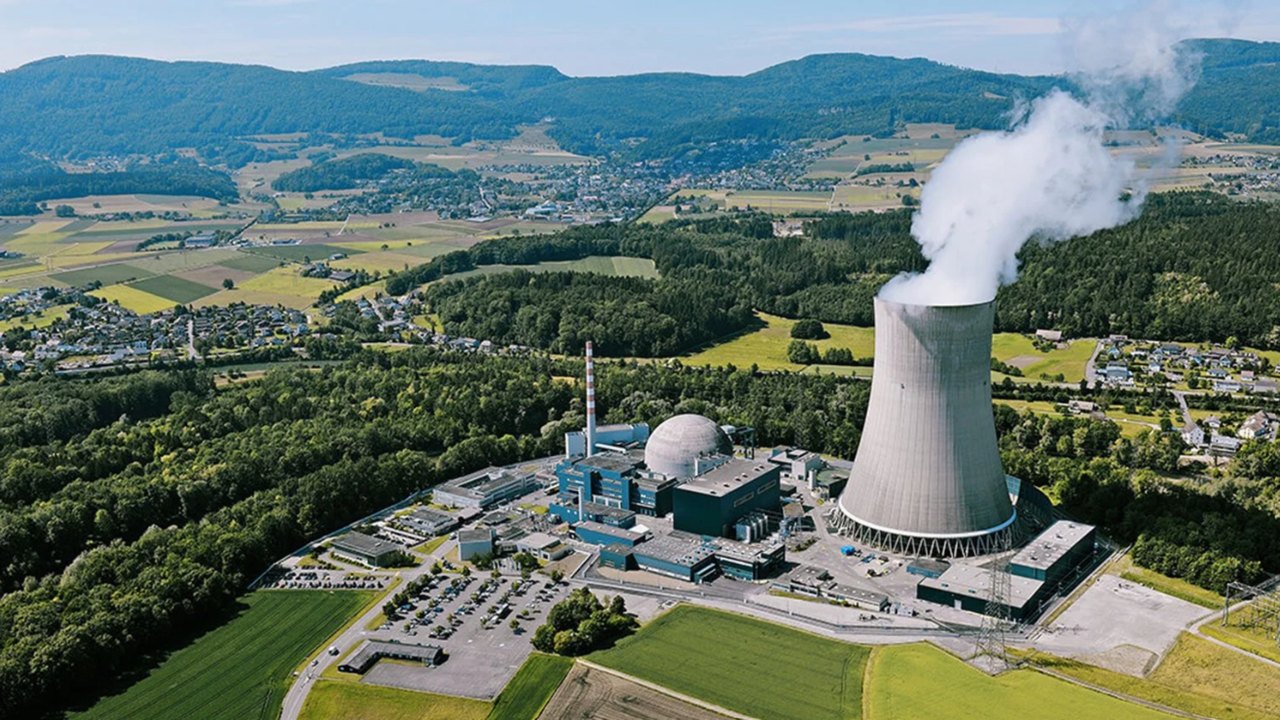
Image: TechRadar · Photo source · Resized and letterboxed to 16:9; no AI generation
Nvidia has signed a preliminary agreement with German utility PreussenElektra GmbH (PEL) to examine whether decommissioned nuclear power plant sites could be repurposed into AI computing hubs, according to reports. Both companies emphasize that the arrangement is strictly exploratory and rules out restarting any idle reactors for power generation.
Following the Fukushima incident, Germany permanently shut down its final operating nuclear reactors in April 2023 and initiated the dismantling of approximately 30 atomic stations nationwide. PreussenElektra currently oversees the closure and teardown of eight of those stations, which are expected to be the focus of the study. However, neither company has officially named the specific locations under review.
Assessing Infrastructure for AI Factories
- Existing Grid Connections: The study will examine current electrical grid links at the decommissioned locations.
- Water and Land Access: Researchers will evaluate open land and water resources necessary for cooling data center infrastructure.
- Industrial Foundations: Former atomic stations already possess established industrial zoning and infrastructure, which Nvidia and PEL hope could reduce development expenses and timelines compared to building new campuses.
Guido Knott, chairman of PEL’s management board, noted that their former power plant sites offer valuable industrial infrastructure for future-oriented uses. Markus Hacker, senior regional director at Nvidia, added that former industrial sites could provide a strong foundation for the next generation of computing.
Unresolved Questions and Limitations
While reusing retired atomic stations appears efficient on paper, the initiative remains unproven. Several uncertainties and practical challenges remain unaddressed:
- Power Appetite: Neither company has demonstrated whether the local grid capacity at these sites can match the massive power demands of modern AI clusters.
- Regulatory Approvals: Approval processes for dismantled facilities, potential environmental reviews, and local community acceptance have not yet been disclosed.
- Financials and Contracts: No funding figures, sanctioned architectural designs, or binding building contracts have been announced.
Because the project is currently in an exploratory phase, claims regarding potential time and cost savings remain speculative. The announcement also does not specify whether regional authorities or local residents have been consulted regarding the proposals.
Verification and Practical Implications
Observers interested in verifying the original announcement can review official corporate statements released by Nvidia and PreussenElektra GmbH. Practical implications depend entirely on the outcome of the preliminary technical assessment, as actual conversion plans would require extensive regulatory approvals, community consultation, and binding financial commitments before any physical development could begin.
AI-assisted reporting; source claims are attributed and have not been independently verified.
More to read
 Proposed Underwater AI Data Centers Threaten Endangered Whales in Maine and Alaska
 Nvidia Weighs Acting as Debt Cosigner for Nscale’s Planned West Virginia AI Data Center
 Can AI Data Centers Be Mass-Produced Like Cars? This Startup Aims to Find Out
 Rural Data Centers Prepare for New Federal Tax Benefits Under Expanded Program
Trending on GlobeWire Daily
Selected from recent coverage and related topics; not live search rankings.
 Madhya Pradesh Government Plans Revenue Generation from 117-Year-Old Edward Villa in Mumbai Through Leasing
 iPhone 18 Pro Named TechRadar Product of the Year 2026
 Google Project Suncatcher Runs Gemma 4 AI on Orbiting Satellite and Receives First Response
 Gender Disparities in Eye Care Access Across India Examined
 Satellite Images Show Cyclone Arnab Weakening Over India As New System Brews
 Expanding Green and Blue Spaces Crucial for India's Economic and Public Health, Reports Indicate