Proposed Underwater AI Data Centers Threaten Endangered Whales in Maine and Alaska
· GlobeWire Daily Editorial Desk · Source: www.techradar.com
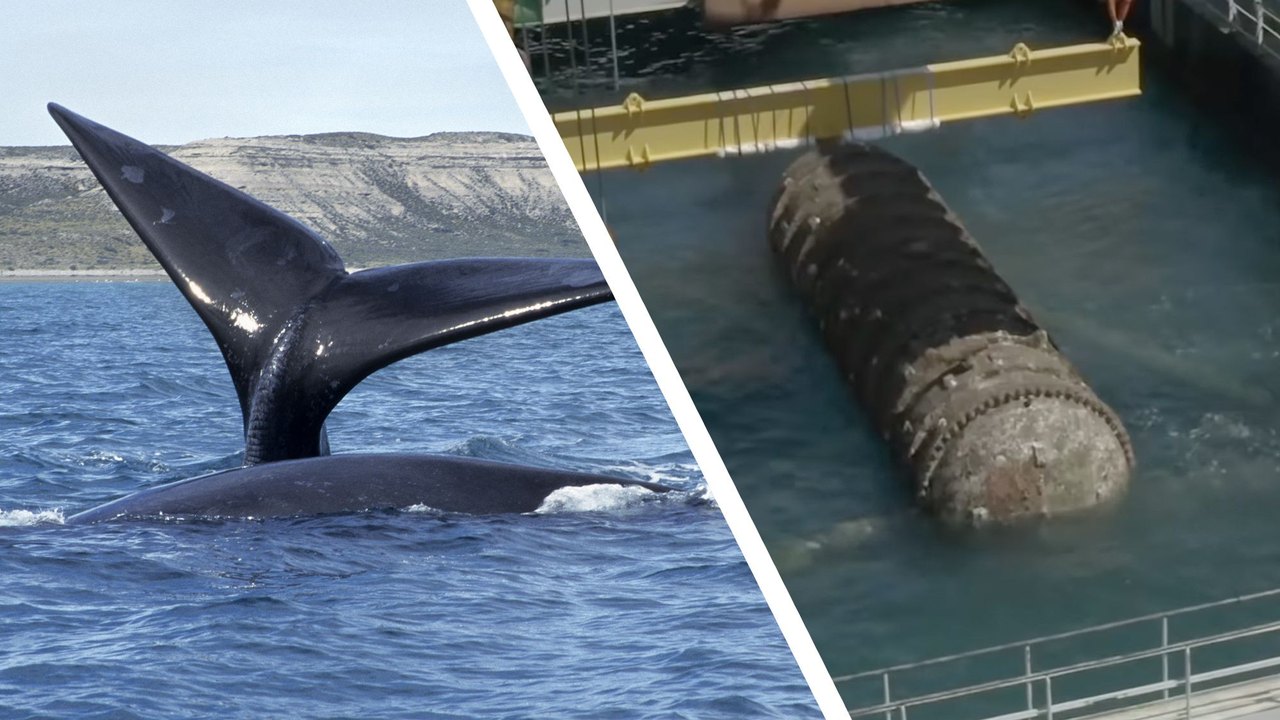
Image: TechRadar · Photo source · Resized and letterboxed to 16:9; no AI generation
Summary
DeepGreen Holdings has unveiled a plan to build $100 million underwater AI data centers off the coasts of Maine and Alaska. While the concept promises efficient cooling, researchers warn it could harm the North Atlantic right whale and Cook Inlet beluga, both listed as endangered.
Project Details
- Location: Western Passage, Maine (Gulf of Maine) and Upper Cook Inlet, Alaska
- Size: ~1,650 acres, 66 compute pods, 300 tidal turbines
- Cost: $100 million (proposed budget)
- Purpose: Submerge servers to use seawater for cooling, reducing land‑based energy use.
Environmental Concerns
- Noise Pollution: Construction and turbine operation would generate underwater sound that can interfere with whale echolocation, essential for feeding, navigation and social behavior.
- Thermal Impact: Heat expelled into the water may drive away cold‑water prey species, indirectly starving whales.
- Habitat Overlap: The Maine site lies within a critical habitat for the North Atlantic right whale; the Alaska site is designated for the endangered Cook Inlet beluga.
*“We’re deeply concerned about all the harms this project could bring,”* said Cooper Freeman of the Alaska Center for Biological Diversity, emphasizing the lack of ecological risk assessment.
Public Reaction
- Online backlash: Reddit users described the plan as “evil” and questioned the long‑term feasibility of submerged hardware.
- Scientific opposition: Researchers cited in Gadget Review highlighted both acoustic and thermal threats.
Practical Implications
- Regulatory review: The projects will likely require permits from the U.S. Fish and Wildlife Service and state environmental agencies before any construction.
- Verification: Interested parties can track the Federal Register for notice of intent, and consult the National Marine Fisheries Service’s habitat maps for the two whale species.
- Alternatives: Companies may explore land‑based renewable cooling solutions or offshore floating data centers that keep a greater distance from critical habitats.
What’s Next?
The proposals remain at the planning stage; no construction has begun. Stakeholders are expected to submit environmental impact statements in the coming months, after which public comment periods will open.
--- *This article is based on reporting from TechRadar Pro and statements from environmental groups. No original reporting was conducted.*
AI-assisted reporting; source claims are attributed and have not been independently verified.
More to read
 Data Centers Could Threaten US Climate Progress With Rising Fossil Fuel Demand
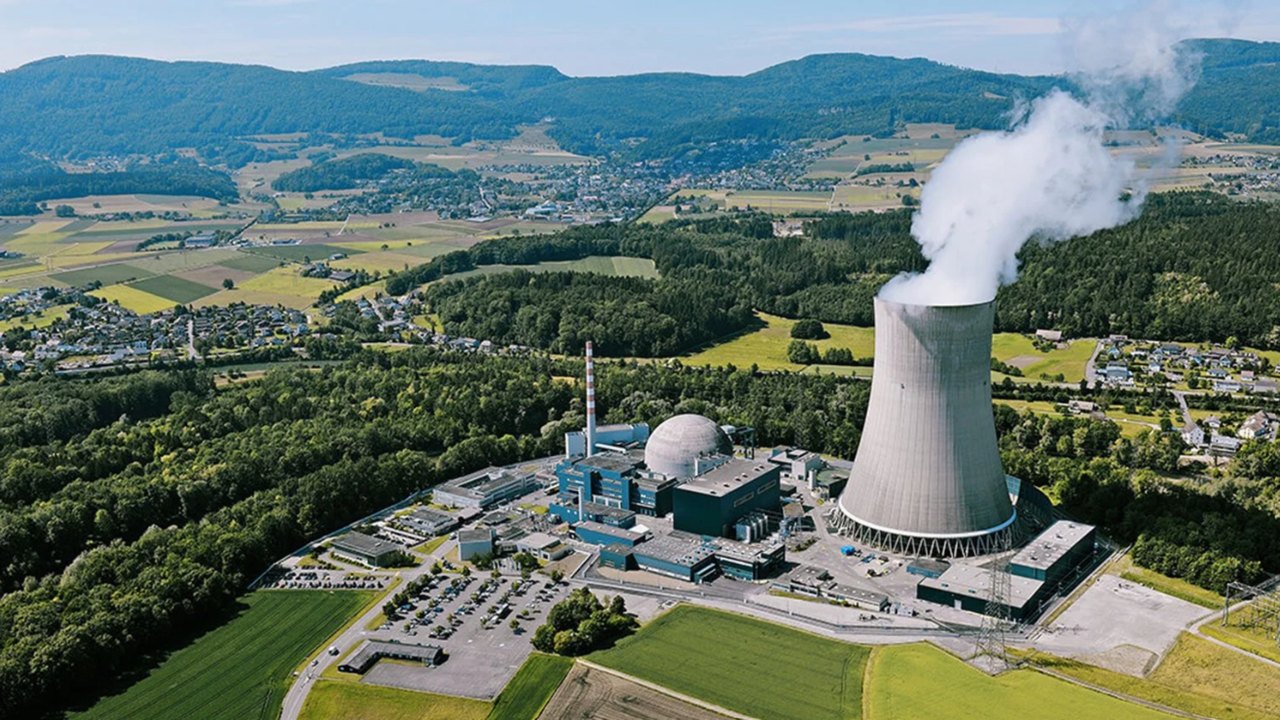 Nvidia and PreussenElektra to Study Converting Retired German Nuclear Sites Into AI Data Centers
 India Unveils Proposed Framework to Democratize AI Data Training
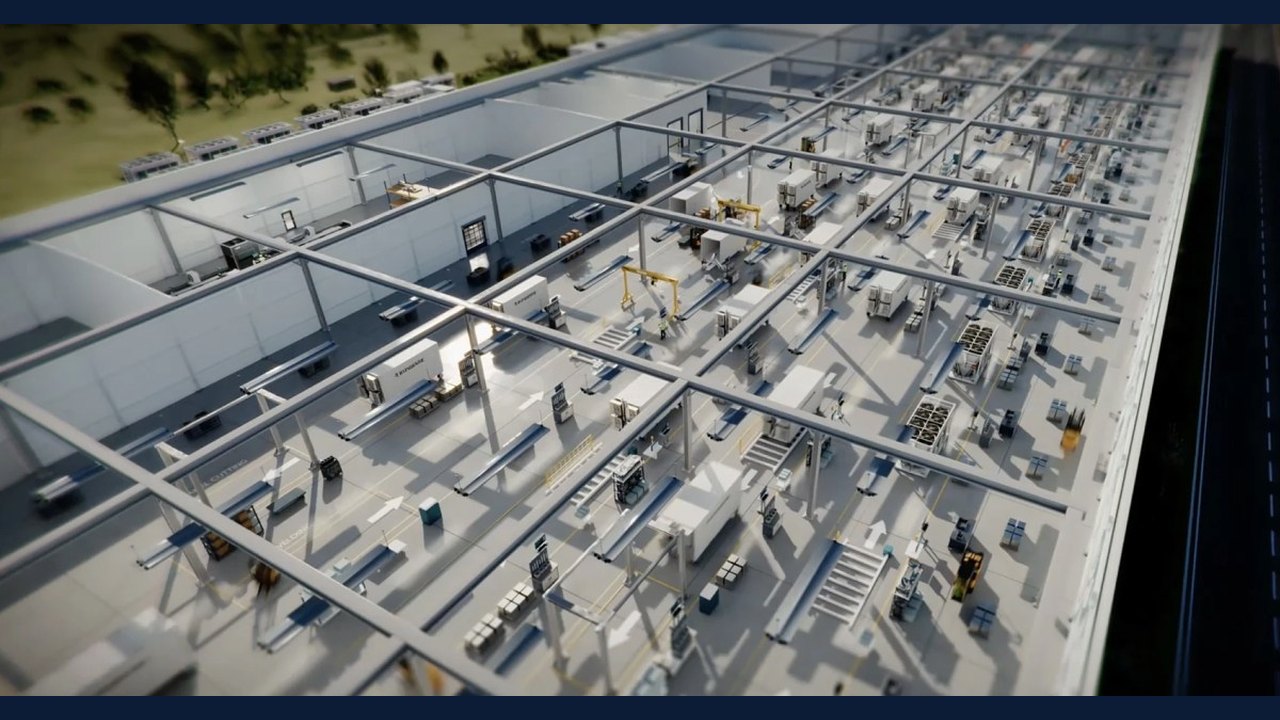 Can AI Data Centers Be Mass-Produced Like Cars? This Startup Aims to Find Out
Trending on GlobeWire Daily
Selected from recent coverage and related topics; not live search rankings.
 Madhya Pradesh Government Plans Revenue Generation from 117-Year-Old Edward Villa in Mumbai Through Leasing
 iPhone 18 Pro Named TechRadar Product of the Year 2026
 Google Project Suncatcher Runs Gemma 4 AI on Orbiting Satellite and Receives First Response
 Gender Disparities in Eye Care Access Across India Examined
 Satellite Images Show Cyclone Arnab Weakening Over India As New System Brews
 Expanding Green and Blue Spaces Crucial for India's Economic and Public Health, Reports Indicate