OpenBot Launches Open‑Source, Self‑Hosted AI Coworkers with Full Browser Access
· GlobeWire Daily Editorial Desk · Source: github.com
Image: GitHub · Photo source · Resized and letterboxed to 16:9; no AI generation
What OpenBot Is
OpenBot, released by the CopilotKit team on GitHub, is an open‑source framework that lets organisations run AI “coworkers” on their own infrastructure. Each coworker gets:
- a dedicated web browser with its own logins,
- a private file space,
- a configurable set of tools that the host explicitly grants.
All actions are decided before execution and recorded afterwards through a central gateway, creating an immutable audit trail.
Key Technical Features
- AG‑UI protocol – a framework‑agnostic interface that lets any agent (LangGraph, Mastra, CrewAI, custom code, etc.) appear as a coworker.
- Docker‑Compose deployment – the entire stack (API server, PostgreSQL, optional Intelligence service) can be started with a single script on a laptop or a server.
- Self‑hosted model choice – no model is shipped; the operator supplies an OpenAI, Anthropic, Google, or private model key.
- Per‑coworker isolation – each agent runs in its own container (or gVisor sandbox) with a separate browser profile, preventing cross‑contamination.
- Governance layer – a policy engine evaluates every request (tool name, intent, URL, command, etc.) and logs the decision before the action is performed.
How It Works in Practice
- Clone the repository and replace the example tenant package under `examples/` with your own agents and skills.
- Configure `.env` – set `OPENBOT_SINGLE_USER=false` for multi‑user mode, add your OAuth provider (Google, Microsoft, Okta, or custom SAML/OIDC), and supply model and encryption keys.
- Run `scripts/start.sh` – Docker brings up PostgreSQL, the API, and the agent‑computer service. The API listens on port 3001; the web UI runs on 3010.
- Create coworkers – the default deployment ships two agents (General Assistant and Knowledge). Additional agents can be added by copying the YAML files in `examples/fintech/agents/` or writing new ones.
- Interact – open the UI, start a channel with a coworker, and watch its browser screen. If the bot hits a login wall or 2FA prompt, you can “take the wheel” and hand control back.
Reported Benefits
- Data sovereignty – because everything runs on‑premises, companies keep raw data, credentials and model outputs inside their own firewalls.
- Customizability – the open‑source nature means you can modify the UI, add new tools, or replace the policy engine without waiting for a vendor.
- Auditability – every tool call, file read/write, and command line execution is logged with the actor, intent and outcome, satisfying many compliance regimes.
Open Questions & Limitations
- The project is in beta; the README warns of rough edges, missing features and frequent breaking changes.
- No hosted SaaS version exists; organisations must provision the stack themselves or contract CopilotKit’s professional services.
- The default setup does not ship a language model; you must provide API keys and manage usage costs.
- Scaling beyond a single laptop will require additional engineering (Kubernetes, load‑balanced PostgreSQL, etc.).
Practical Steps to Verify the Announcement
- Visit the official repository: https://github.com/CopilotKit/openbot**
- Check the latest release tag (e.g., `v0.0.9`) and the “Beta” badge in the README.
- Review the open issues and pull‑requests to gauge community activity and known bugs.
- Follow the quick‑start guide in `docs/quickstart.md` to spin up a local instance and confirm the described behaviour.
Who Might Use OpenBot?
- Enterprises that need AI assistants but cannot expose proprietary data to third‑party clouds.
- Developers looking for a sandbox to prototype agent‑to‑tool workflows without vendor lock‑in.
- Regulated industries (finance, healthcare) that require full audit trails for every automated action.
--- *OpenBot is a template, not a finished product. Companies adopting it should allocate engineering resources for deployment, security hardening and ongoing maintenance.*
AI-assisted reporting; source claims are attributed and have not been independently verified.
More to read
 Open‑Source ‘It’s a Plan’ Offers Self‑Hosted Project Management with AI Agents
 Open Source Community Launches New Home for Papers with Code
 Open-Source AiSOC Launches to Automate Threat Triage With Auditable AI Agents
 Mainplane Launches Open-Source Ecosystem for AI Agent Management
Trending on GlobeWire Daily
Selected from recent coverage and related topics; not live search rankings.
 A Guide to Understanding UK Housing and Local Authority ServicesOpen Source Community Launches New Home for Papers with Code
 Higgsfield AI Launches Markdown-Based Skill Set for Visual Brand Agents
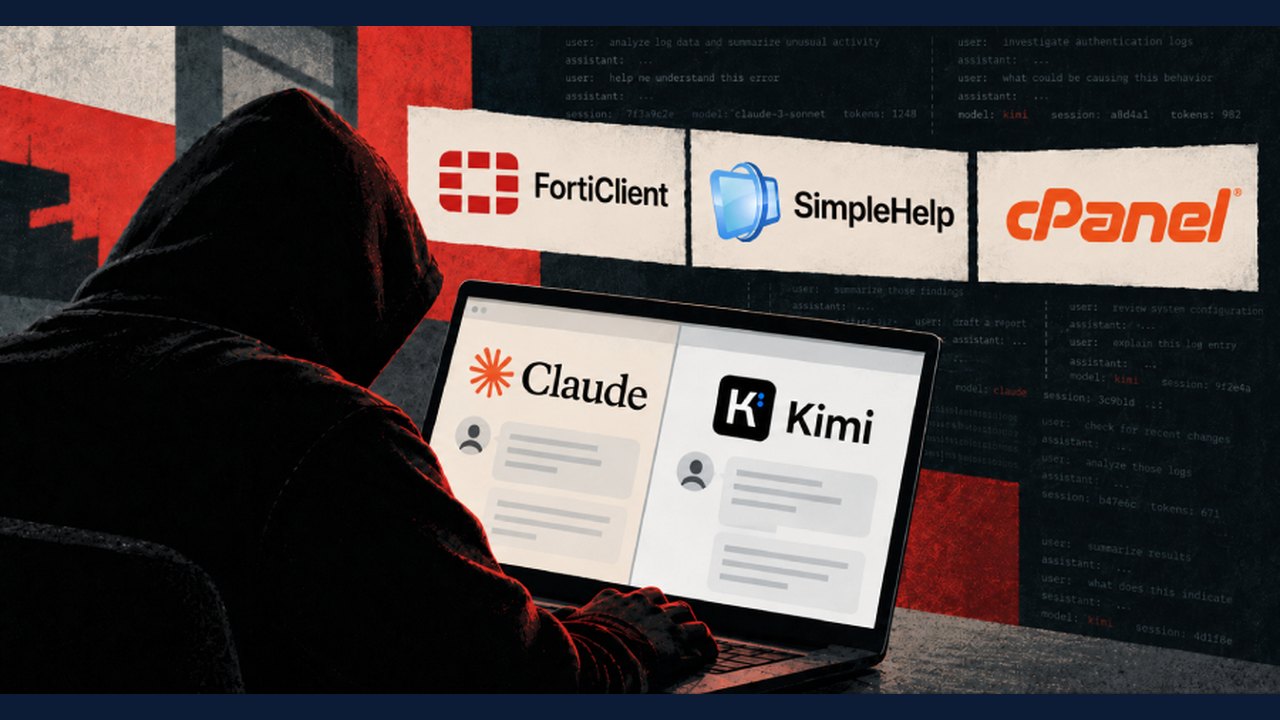 Ransomware Affiliates Deploy AI Agents in 'Phantom' Framework to Automate Intrusions, Researchers Find
 nodeterm Introduces Spatial Terminal Manager for AI Coding Agents Across Desktop, Browser, and Mobile
 Open‑source toolkit offers evidence‑based steps to recover DSM ransomware‑encrypted data