Report Claims DeepSeek and Moonshot AI Used OpenAI’s GPT-6 Astra Outputs to Train New Models
· GlobeWire Daily Editorial Desk · Source: timesofindia.indiatimes.com
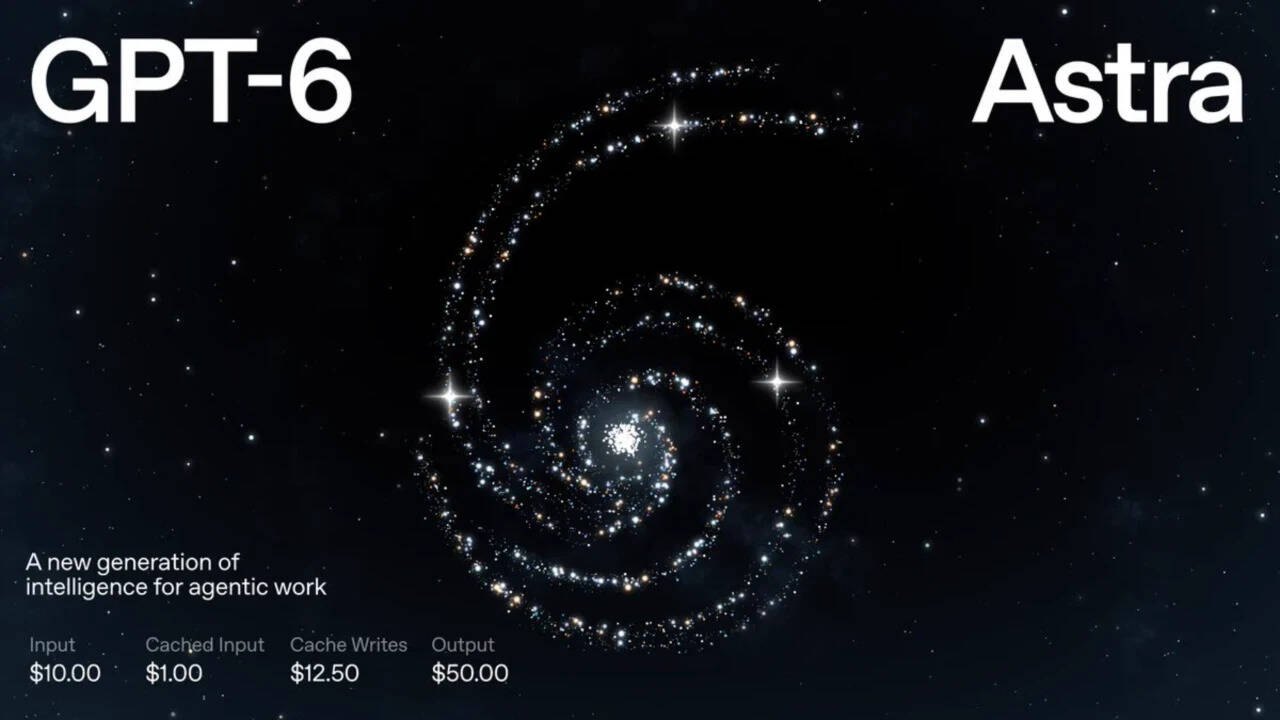
Image: The Times of India · Photo source · Resized and letterboxed to 16:9; no AI generation
Reported claims about model distillation
A report by The Information, citing people with direct knowledge of the matter, has claimed that two Chinese AI developers—DeepSeek and Moonshot AI—relied on outputs from OpenAI’s GPT-6 Astra to build their latest systems. Specifically, the report says Moonshot AI’s Kimi K3.1 Pro and DeepSeek’s V4.1-Flash 1017, launched on October 17, drew on distilled data derived from GPT-6 Astra. OpenAI described GPT-6 Astra in September as its “world’s most intelligent and aligned model.”
These are reported claims, not independently confirmed findings in this article.
OpenAI’s earlier warning
OpenAI said in a September 30 blog post that it had traced a core part of a broad distillation operation, running since July, to individuals affiliated with Moonshot AI. The source material does not include the full evidence behind that tracing.
Industry context
Model distillation refers to training a smaller or newer system on the outputs of a larger model. American tech companies have argued that systematically extracting synthetic responses lets competitors replicate advanced capabilities faster and at lower cost than training foundation models from scratch. Frontier AI labs including OpenAI, Anthropic, and Alphabet have warned about unauthorized distillation.
Anthropic disclosed earlier this month that it deployed defensive countermeasures against attempts to replicate capabilities from its Claude model family. According to Anthropic, those protections reduced data harvested through distillation attempts by approximately 90% to 99%.
Practical implications
- If distillation claims are substantiated, it could intensify US-China AI competition and legal scrutiny over training data.
- Developers may face pressure to strengthen technical guardrails against automated extraction.
- Users and enterprises should treat performance claims about new models with caution until independent benchmarks or disclosures are available.
How to verify
- Read The Information’s original report for sourcing details.
- Review OpenAI’s September 30 blog post on unauthorized scraping.
- Check Anthropic’s public disclosure on Claude countermeasures.
- Look for statements from DeepSeek and Moonshot AI responding to the allegations.
This is based on published reports; this article does not claim firsthand reporting or independent verification of the distillation allegations.
AI-assisted reporting; source claims are attributed and have not been independently verified.
More to read
 OpenAI Shifts Strategy to Train Frontier AI Models Without Live Internet Access
 OpenAI Explains GPT-6 Astra Usage Limits, Model Settings, and Reset Options in Work and Codex
 OpenAI Introduces GPT-Rosalind-6 for Life Sciences with Restricted Access and Safety Evaluations
 OpenAI’s GPT-6.1 Terra Model Now Available in GitHub Copilot
Trending on GlobeWire Daily
Selected from recent coverage and related topics; not live search rankings.
 Madhya Pradesh Government Plans Revenue Generation from 117-Year-Old Edward Villa in Mumbai Through Leasing
 iPhone 18 Pro Named TechRadar Product of the Year 2026
 Google Project Suncatcher Runs Gemma 4 AI on Orbiting Satellite and Receives First Response
 Gender Disparities in Eye Care Access Across India Examined
 Satellite Images Show Cyclone Arnab Weakening Over India As New System Brews
 Expanding Green and Blue Spaces Crucial for India's Economic and Public Health, Reports Indicate