GitHub’s WinPOPBit Bypasses SSE‑4.2 and NX‑Bit Checks to Run Windows 11/10 on Legacy PCs
· GlobeWire Daily Editorial Desk · Source: github.com
Image: GitHub · Photo source · Resized and letterboxed to 16:9; no AI generation
What the project claims
- WinPOPBit is an open‑source patcher that modifies Windows binaries so that the operating system can start on CPUs that lack the SSE‑4.2 instruction set (required by Windows 11) or on systems where the NX (No‑Execute) bit is not present (required by Windows 10). The repository states that the tool can make Windows 11 24H2 and later boot on older AMD Phenom/K10‑class CPUs and can even install the latest Windows 10 on hardware dating back to the year 2000.
How the patches work (as described by the author)
- Windows checks for processor features using an undocumented routine called RtlDetectProcessorFeatures. The author identified the data structure that holds the SSE‑4.2 flag and changed the byte value from `0x0D` to `0x0C`, effectively telling the OS to skip the check for most files.
- For the NX‑bit requirement, the patch replaces hard‑coded references to the NX flag (bit 63) in several low‑level components such as winload, ntoskrnl, and hal. The author also notes that the system must be booted with the nx=AlwaysOff setting to avoid a blue‑screen on very old CPUs.
- The repository provides a Python script (`winpopbit.py`) that can patch whole ISO images or individual binaries. It also ships a legacy Win32 executable for users who cannot run Python.
Reported capabilities and limitations
- Supported CPUs: AMD Phenom/K10 series (have POPCNT but lack SSE‑4.2) and any x86 processor that can run in ring 0 and accept the NX‑off configuration. Intel Core 2 chips are *not* supported because they lack POPCNT.
- Unsupported hardware: VIA U3xxx CPUs (only SSE‑4.1), many early AGP GPUs, and systems without HPET timers may still encounter boot hangs.
- Operating‑system versions: Windows 11 24H2/26H2 (and possibly later builds) for the SSE‑4.2 bypass; Windows 10 up to the most recent release for the NX‑bit bypass.
- Stability: The author reports that a patched Windows 10 installation on a 2002 Pentium 4 Northwood machine boots and runs, but acknowledges that the project is experimental and that users may encounter crashes, especially if required DLLs (e.g., `WindowsCodecs.dll`, `msxml6.dll`) are not replaced with the versions bundled in the repository.
Practical implications for users
- Extending the life of old PCs – Hobbyists and retro‑computing enthusiasts can try to run a modern Windows environment on hardware that Microsoft officially blocks.
- Security trade‑offs – Disabling the NX bit removes a core mitigation against code‑injection attacks. Users should treat patched systems as insecure and avoid connecting them to untrusted networks.
- Verification steps – To confirm a genuine WinPOPBit build:
- Clone the official GitHub repo (`https://github.com/Smu1zel/WinPOPBit`)
- Check the commit signatures and the MIT license file.
- Compare the patched binaries’ hashes with the ones produced by the script on a clean ISO.
- Run Windows in a virtual machine first to observe any boot failures before flashing real hardware.
- Legal note – The modifications are unofficial and not endorsed by Microsoft. Installing a patched copy may violate the Windows License Terms, and Microsoft could refuse support.
How to get started (summary of the official instructions)
- Install Python 3.7+ and the `pefile` package (`pip install pefile`).
- Obtain the original Windows ISO and place the required DLLs (`WindowsCodecs.dll`, `msxml6.dll`) from a Windows 11 23H2 build into the `blobs/` folder.
- Run the script to create a dual‑boot ISO:
``` python winpopbit.py build_iso --src path/to/Win11.iso --out path/to/patched.iso ```
- For Windows 10, use the `kernel_nx` and `hal_nx` patch commands as documented.
- After creating the ISO, mount it in a VM or write it to a USB drive and attempt installation.
Community response and next steps
The repository lists several contributors who helped with documentation, driver work‑arounds, and testing on legacy hardware. Issues are tracked on GitHub, and the author invites users to report bugs. No major tech‑news outlet has covered the tool yet, so its impact remains limited to niche forums.
--- *The article is based on the publicly available GitHub repository and does not contain any proprietary Microsoft material.*
AI-assisted reporting; source claims are attributed and have not been independently verified.
More to read
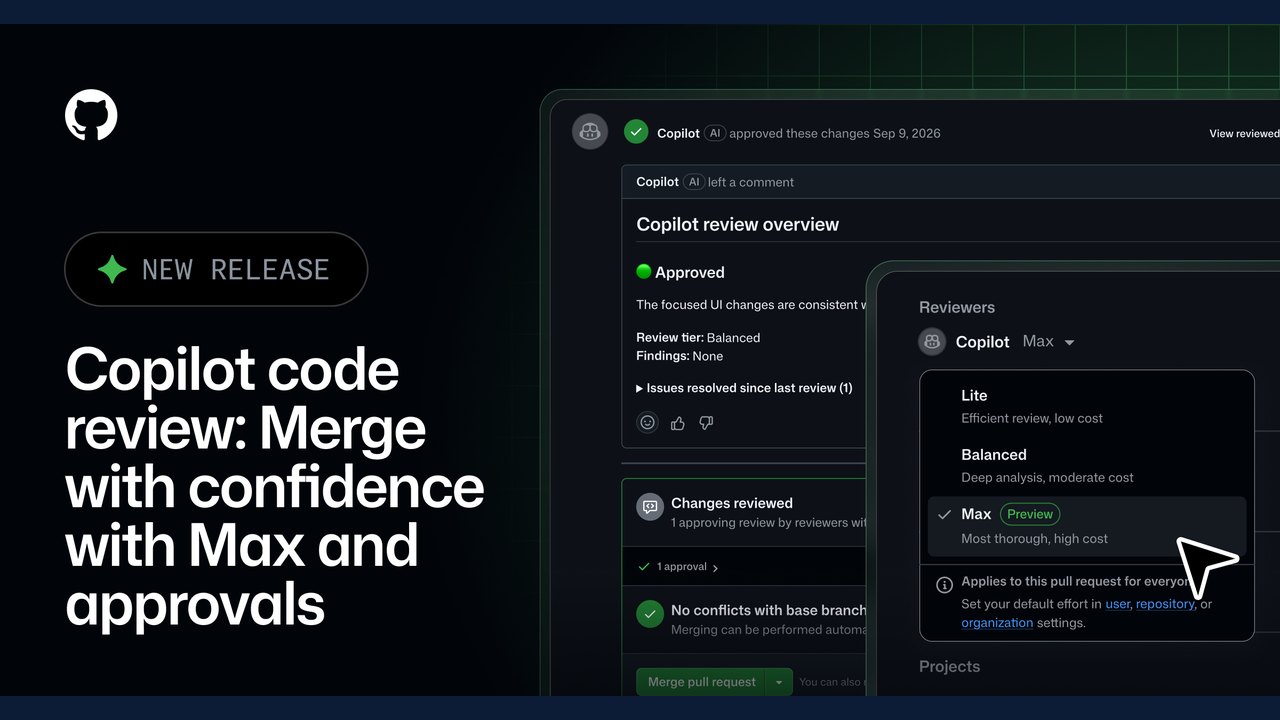 GitHub Expands Copilot Code Review with 'Max' Effort Level and Automated Approvals
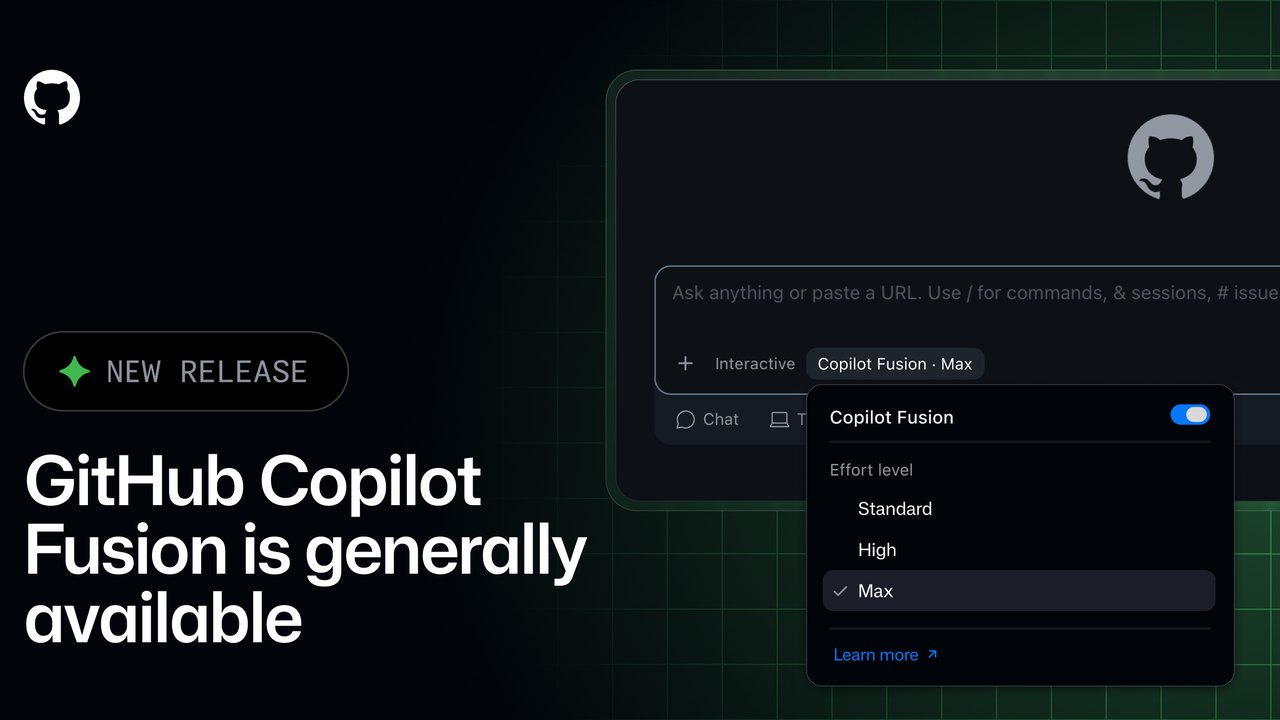 GitHub Copilot Fusion Goes GA: Intelligent Model Routing and Orchestration Now Available
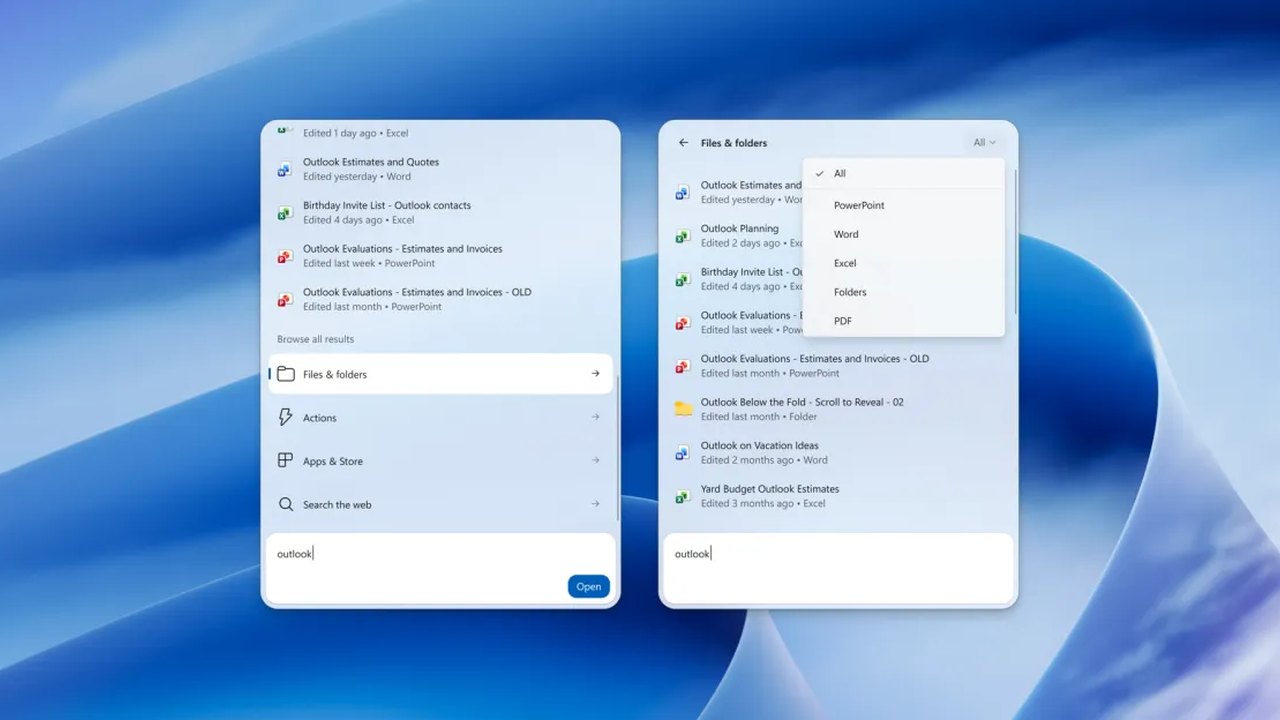 Windows 11 Insider Builds Introduce New Xbox Shortcuts and Enhanced Search Capabilities
 Obsidian Second Brain Project Updates Shared on GitHub
Trending on GlobeWire Daily
Selected from recent coverage and related topics; not live search rankings.
 Uttar Pradesh One District One Cuisine (ODOC) Financing Assistance Scheme Overview
 Understanding the Uttar Pradesh One District One Product (ODOP) Financing Assistance Scheme
 Uttar Pradesh Plans Sardar Vallabhbhai Patel Skill and Employment Scheme for 2026
 Uttar Pradesh ODOP Training and Toolkit Scheme: Overview and Application Details
 Tamil Nadu Rooftop Solar Subsidy Scheme: Key Details and Assistance Structure
 Buell 1125R: Specifications & buying guide