Google Details Privacy Safeguards and Facial Blurring for Upcoming Android XR Smart Glasses
· GlobeWire Daily Editorial Desk · Source: www.androidpolice.com
Google has outlined privacy and security safeguards planned for its upcoming Android XR smart glasses, developed in partnership with Samsung, Warby Parker, and Gentle Monster. According to details shared by Android XR Vice President and General Manager Shahram Izadi, the wearable devices are designed to automatically blur bystanders' and users' faces before images are sent to Google's servers for Gemini processing. Preorders have opened, with shipping scheduled to begin in the United States and South Korea on December 10, 2026.
Core Privacy Protections for Gemini Queries
When a wearer initiates a Gemini query—such as asking for environmental information, translating text, or identifying an object—any visible faces in the camera view will be automatically redacted or blurred prior to server processing. Google reported that:
- Face blurring applies equally to the wearer if they look into a mirror or capture their own face.
- Visuals captured for Gemini queries will not be saved in the Gemini history log.
- Submitted imagery will not be used for AI training, ad personalization, or targeted advertising.
Restrictions on Third-Party Apps and Live Streaming
Google detailed several hardware and software restrictions aimed at protecting public and user privacy:
- Camera Bans: Play Store apps for Android XR glasses will be prohibited from using cameras for real-time facial recognition or live-streaming, restricting these capabilities to native applications.
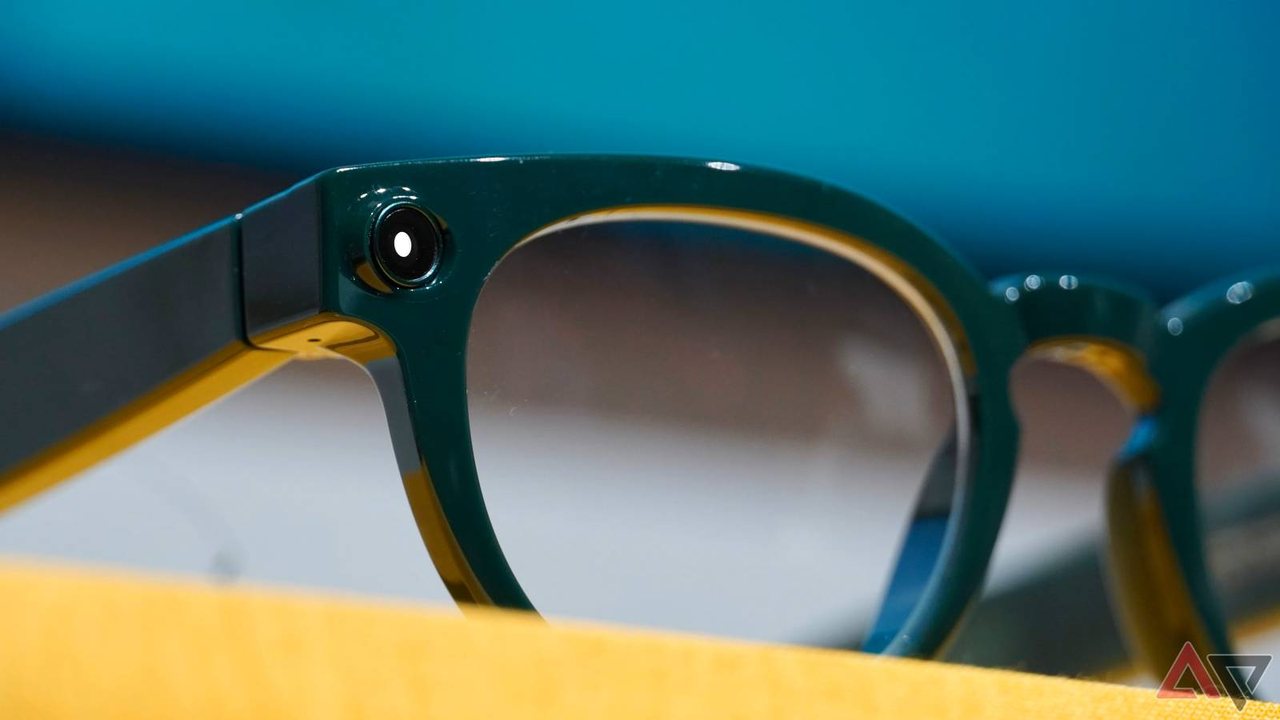
- Privacy Indicators: Developers cannot disable or tamper with the front-facing LED indicator that lights up during recording.
- Anti-Tampering: The camera will not record if the indicator light is covered or disabled, and each pair includes a physical switch to turn the glasses off entirely.
Hardware Specs and Availability
The first wave of Samsung-built Intelligent Eyewear includes a front-facing 12MP ultrawide camera, built-in speakers, a microphone, and up to nine hours of battery life, with additional charges provided by the case. The glasses are compatible with iPhones and devices running Android 17 or One UI 9. Preorders start at $395, and shipments are scheduled to begin on December 10, 2026. Google did not explicitly state whether the blurring system is completely foolproof against occasional errors.