Laya: Open Non-Autoregressive Multilingual System 1 Decision Engine Released
· GlobeWire Daily Editorial Desk · Source: github.com

Image: GitHub · Photo source · Resized and letterboxed to 16:9; no AI generation
Overview
Laya is an open-source, non-autoregressive System 1 decision engine designed to deliver typed choices, scores, and yes/no decisions across more than 100 languages in a single forward pass. Operating on models within the ModernBERT family (ranging from approximately 150M to 421M parameters), the system achieves decision times around 33 ms on standard hardware such as a T4 GPU. It features an intelligent router that detects scripts and languages to select the appropriate checkpoint per request.
Key Features and Extensions
- Multilingual and Long-Document Support: The multilingual checkpoint reads up to 8,192 tokens when configured with `max_len=8192`.
- Vega Integration: Optional Vega extensions (`vegaml=True`) combine a reader with a physics engine to output conformal prediction sets, abstain flags, out-of-distribution flags, and routing decisions without guessing thresholds.
- Fine-Tuning and Calibration: Users can fit and calibrate lightweight decision heads on custom labeled data using reinforcement learning against strictly proper scoring rules (RLCD) without altering the underlying base reader.
- Flexible Deployment: Available via PyPI, GitHub source checkouts, and `uv`, supporting Python 3.10 or newer alongside optional extras for serving, MCP, LangChain, LlamaIndex, CrewAI, ONNX Runtime, and audio/vision inputs.
Practical Implications and Verification
Deployments can leverage built-in command-line tools (`laya`), batch processing with length sorting for performance gains, and a self-contained FastAPI server example for local testing. Users should verify installation using environment-specific checks and consult the official documentation and repository for hardware-specific PyTorch builds and compatibility notes.
AI-assisted reporting; source claims are attributed and have not been independently verified.
More to read
 Nashi: Independent Open-Source File Toolkit Released on GitHub
 Open-Source Windows Download Manager 'Awesome-Downloader' Released in Early Preview
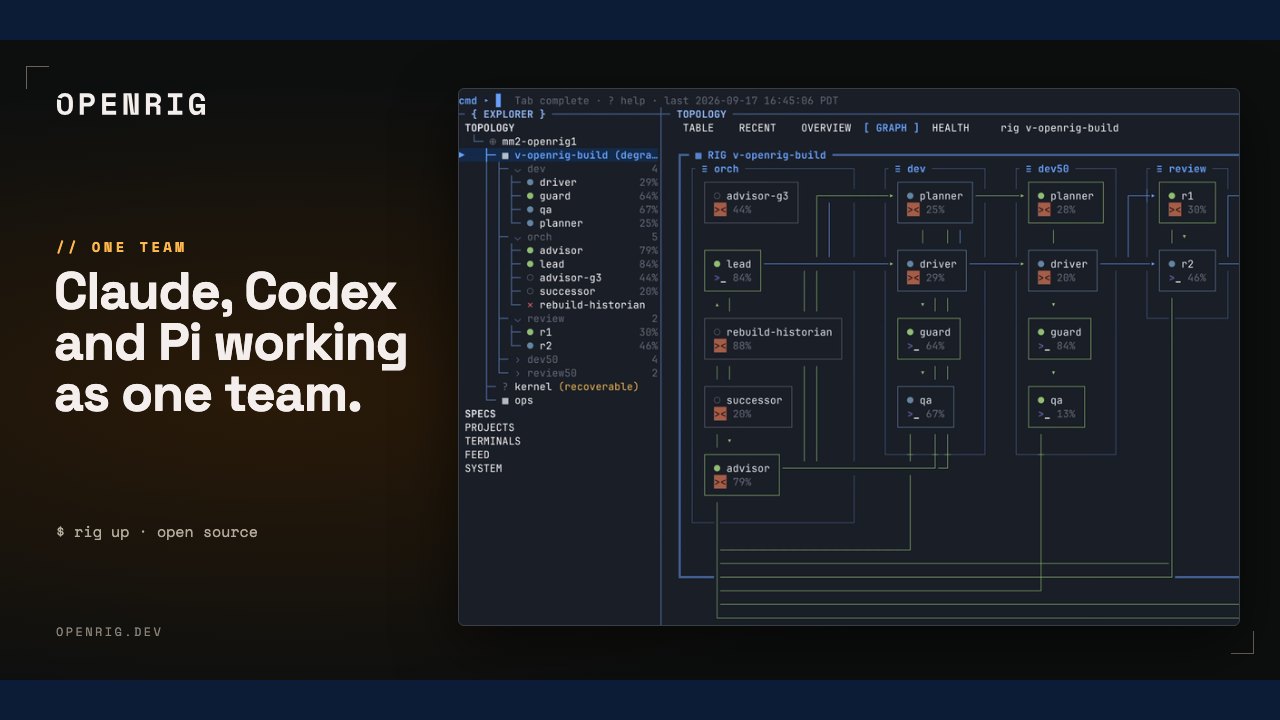 OpenRig Launches as an Open-Source System for Managing Multi-Agent AI Teams
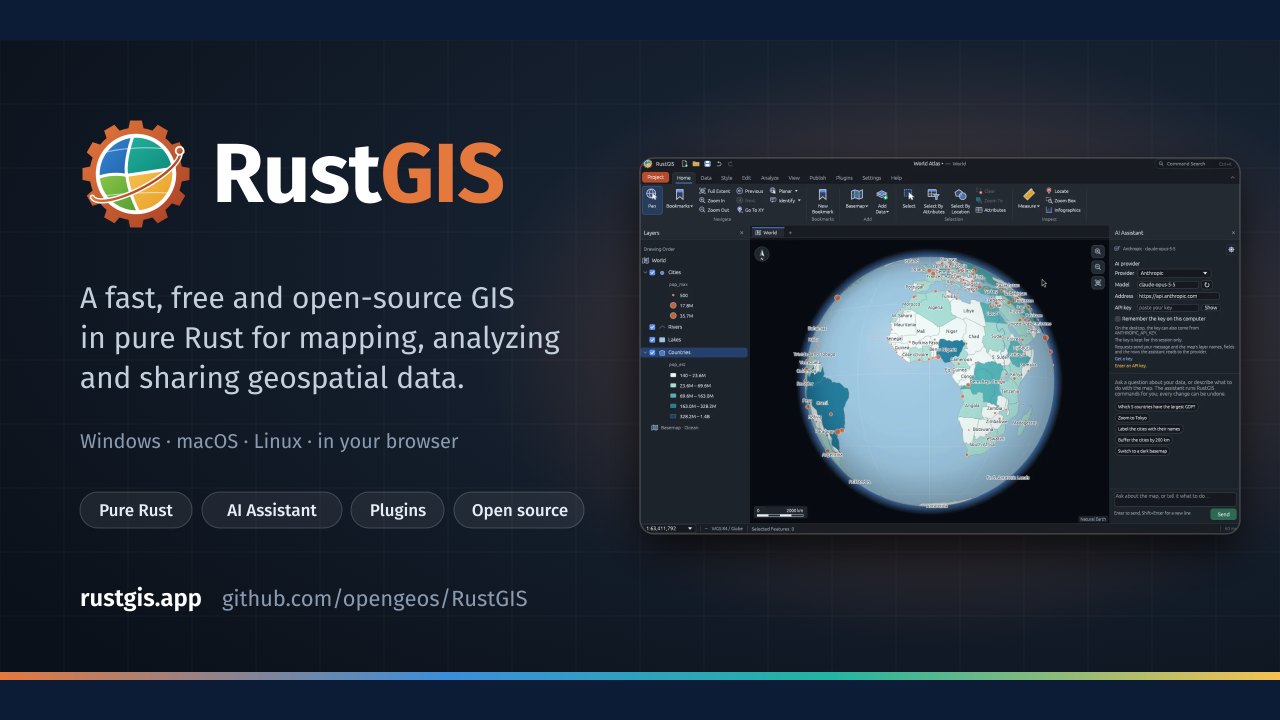 RustGIS Introduced as a Fast, Free and Open-Source Geographic Information System in Pure Rust
Trending on GlobeWire Daily
Selected from recent coverage and related topics; not live search rankings.
 Madhya Pradesh Government Plans Revenue Generation from 117-Year-Old Edward Villa in Mumbai Through Leasing
 iPhone 18 Pro Named TechRadar Product of the Year 2026
 Google Project Suncatcher Runs Gemma 4 AI on Orbiting Satellite and Receives First Response
 Gender Disparities in Eye Care Access Across India Examined
 Satellite Images Show Cyclone Arnab Weakening Over India As New System Brews
 Expanding Green and Blue Spaces Crucial for India's Economic and Public Health, Reports Indicate