Samsung vs. LG OLED TVs: Understanding the Display Panel Differences
· GlobeWire Daily Editorial Desk · Source: www.engadget.com
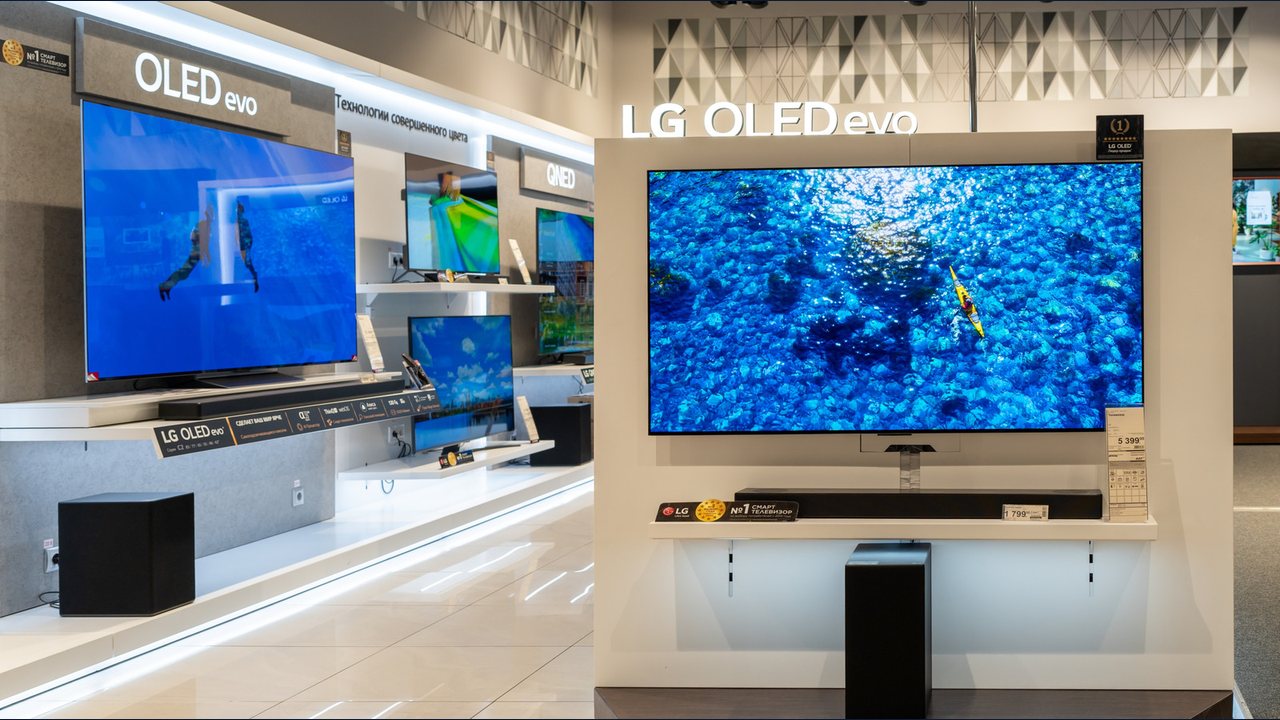
When comparing OLED televisions from market leaders Samsung and LG, reports indicate that choosing the right model depends heavily on panel technology, viewing environments, and software features rather than a simple winner-take-all verdict.
LG pioneered mainstream OLED technology with WOLED panels, which use a white light source and filters. This design includes a white subpixel layer to boost brightness, making it suitable for rooms with high ambient light, though it can impact text clarity. LG has also faced past criticisms regarding privacy concerns related to terms of service and product launch quality issues.
Samsung re-entered the OLED market with QD-OLED technology, utilizing a blue light source combined with red and green quantum dots. Reported advantages include high color saturation and energy efficiency, making them effective for HDR content. However, reports note that QD-OLED panels can suffer from magenta glare in brightly lit rooms. Samsung has also faced criticism for quality control and a lack of transparency regarding panel specifications.
Key Panel Differences
- WOLED (LG): Utilizes white light with color filters and a white subpixel layer. Ideal for bright environments, but text clarity can be affected.
- QD-OLED (Samsung): Uses blue light and quantum dots. Offers wide color gamuts and efficiency, but strong ambient light can cause magenta glare.
- RGB Tandem OLED: Employs multiple emissive layers to reach high brightness levels, though manufacturing costs are higher.
Software and Features
- HDR Support: Samsung OLED models utilize HDR10 and currently lack Dolby Vision support.
- Operating Systems: LG utilizes WebOS with up to five years of support, while Samsung's Tizen OS receives up to seven years of updates.
How to Verify Original Specifications
To verify official panel types, software update commitments, and features, buyers should consult direct manufacturer specifications, official user manuals, and independent hardware reviews before making a purchase decision.