Survivors of Major Spanish Rail Disasters Demand Infrastructure Reform
· GlobeWire Daily Editorial Desk · Source: www.aljazeera.com
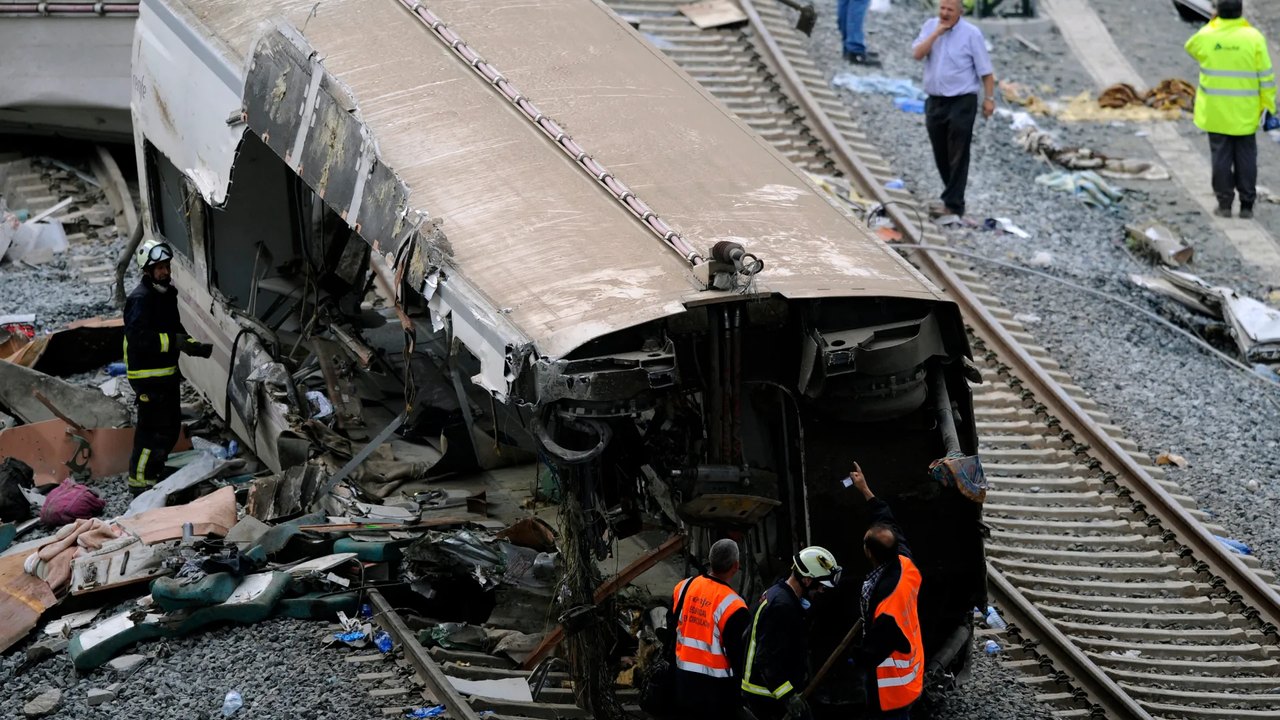
Image: Graham Keeley · Source image rights not independently verified · Photo source · Cropped to 16:9; original source image
Calls for Safety Investment
Following a fatal train collision near Urda in central Spain on Wednesday, survivors of the country's most significant rail accidents are calling for an immediate overhaul of national railway maintenance policies. This latest incident, which reportedly resulted in at least 69 deaths, follows another collision just 10 months prior in Adamuz that claimed 46 lives.
Survivors and industry experts are highlighting a pattern of systemic issues across the Spanish rail network, including:
- Disparities between capital expenditure for new infrastructure versus routine maintenance.
- Continued reliance on aging control technologies.
- The intersection of human factors and mechanical failure in recent disasters.
Maintenance and Infrastructure Concerns
Industry analysts have pointed to a structural imbalance in how Spain funds its high-speed rail network. According to European Commission data, while Spain’s spending on high-speed lines between 2018 and 2022 was high by European standards, only 16 percent of that budget was allocated to maintenance or repairs. In comparison, Italy, France, and Germany typically allocate between 33 and 39 percent of their rail budgets to maintenance.
Experts such as Jose Maria Goicolea of the Spanish Association of Civil Engineers have argued that the modernization of the network has not kept pace with the doubling of passenger volume since 2019.
The Madrid-Seville Line Controversy
Both the January crash in Adamuz and the recent disaster in Urda occurred on the Madrid-Seville line, which still utilizes a 1970s-era German LZB control system.
- Technological Status: The LZB system is currently being phased out, but operators—including private companies like Ouigo—have previously characterized the technology as obsolete.
- Expert Recommendations: Some engineers have suggested suspending operations on the affected line while the transition to modern signaling systems is finalized, though they note such decisions remain in the hands of political authorities.
- Investigation Context: While preliminary reports on the Adamuz crash identified a broken rail, official findings for the Urda collision are still emerging, with early reports suggesting a combination of control system failure and potential human error.
Spanish rail authorities have not yet issued a formal response to these specific demands for line closures. Citizens are advised to monitor official updates from the Spanish Ministry of Transport and Renfe for verified investigation reports and service status alerts.
AI-assisted reporting; source claims are attributed and have not been independently verified.
More to read
 Bayern Munich Advances in German Cup as Coach Kompany Discharged
 Investigative Report Links Sudanese Commanders to Areas of Documented Wartime Sexual Violence
 Student-led coalition begins push for sweeping institutional reforms in Serbia
 Sudanese Artists Fight to Preserve Cultural Heritage Amid Ongoing Conflict
Trending on GlobeWire Daily
Selected from recent coverage and related topics; not live search rankings.
 GitHub Expands Copilot Code Review with 'Max' Effort Level and Automated Approvals
 US Tech Sector Faces Market Volatility Amid Heightened AI Spending Scrutiny
 Manchester United Manager Michael Carrick Addresses Friction with Captain Bruno Fernandes
 Open Genjutsu Launches Local-First Workflow for AI-Powered Video Recasting
 Lexmount Releases Moli: A Rust-Based Headless Browser Optimized for AI Agents
 Tonga Secures Semifinal Spot with Narrow Victory Over Samoa