Climate Crisis Leaves Papua New Guinea’s Ahus Island in Existential Peril
· GlobeWire Daily Climate Desk · Source: www.theguardian.com
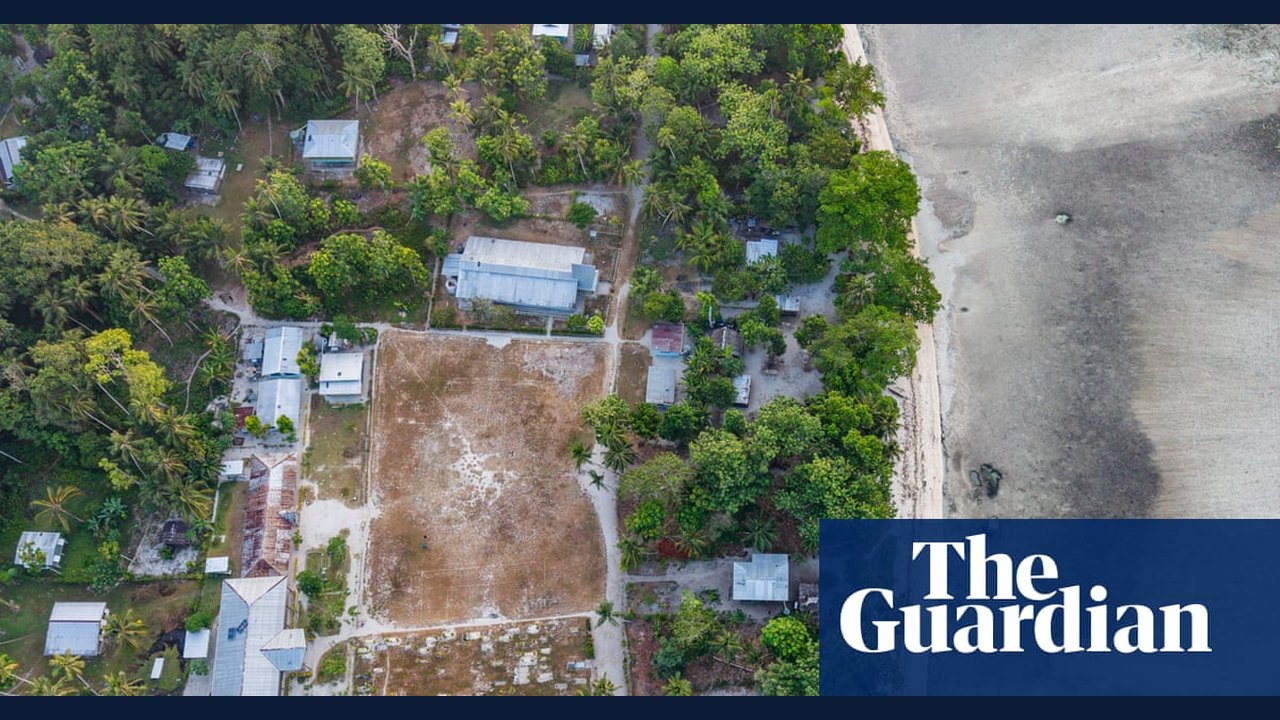
Image: the Guardian · Photo source · Resized and letterboxed to 16:9; no AI generation
The residents of Ahus Island, a small atoll in Papua New Guinea, are facing an acute humanitarian crisis driven by extreme weather conditions. Despite years of community-led climate adaptation efforts, recent reports indicate that the island is struggling with severe water shortages, extreme heat, and food insecurity.
The Current Crisis
According to observations by researchers from the University of Sydney’s Thriving Oceans Research Hub, the island has been described as a "ghost town" during recent visits. The community is grappling with several overlapping challenges:
- Water Scarcity: Local wells have run dry, and recent rainfall was contaminated by smoke haze from distant bushfires, rendering it unsafe to collect.
- Physical Exhaustion: Residents are staying indoors or in the sea for extended periods to cope with extreme heat, significantly limiting their ability to fish and perform daily tasks.
- Economic Disruption: The traditional exchange of fish for food from the nearby island of Manus has collapsed due to a lack of energy and resources.
Limits of Adaptation
Ahus Island has historically been proactive in preparing for climate change, working with organizations such as the UN Development Program and the World Wildlife Fund. Residents previously installed water tanks and sea walls. However, the current intensity of the El Niño-related drought has surpassed the community's capacity to cope. Survey data from last month suggests that only 7% of households currently have access to sufficient drinking water, and 81% report that they are unable to manage the current climate conditions.
Global Context
While the situation unfolds in the Pacific, global leaders continue to discuss climate policy at the COP31 summit in Turkey. Experts emphasize a significant disconnect between government rhetoric on climate action and the continued subsidization of fossil fuel industries, which remains a core point of contention for nations most vulnerable to climate change.
AI-assisted reporting; source claims are attributed and have not been independently verified.
More to read
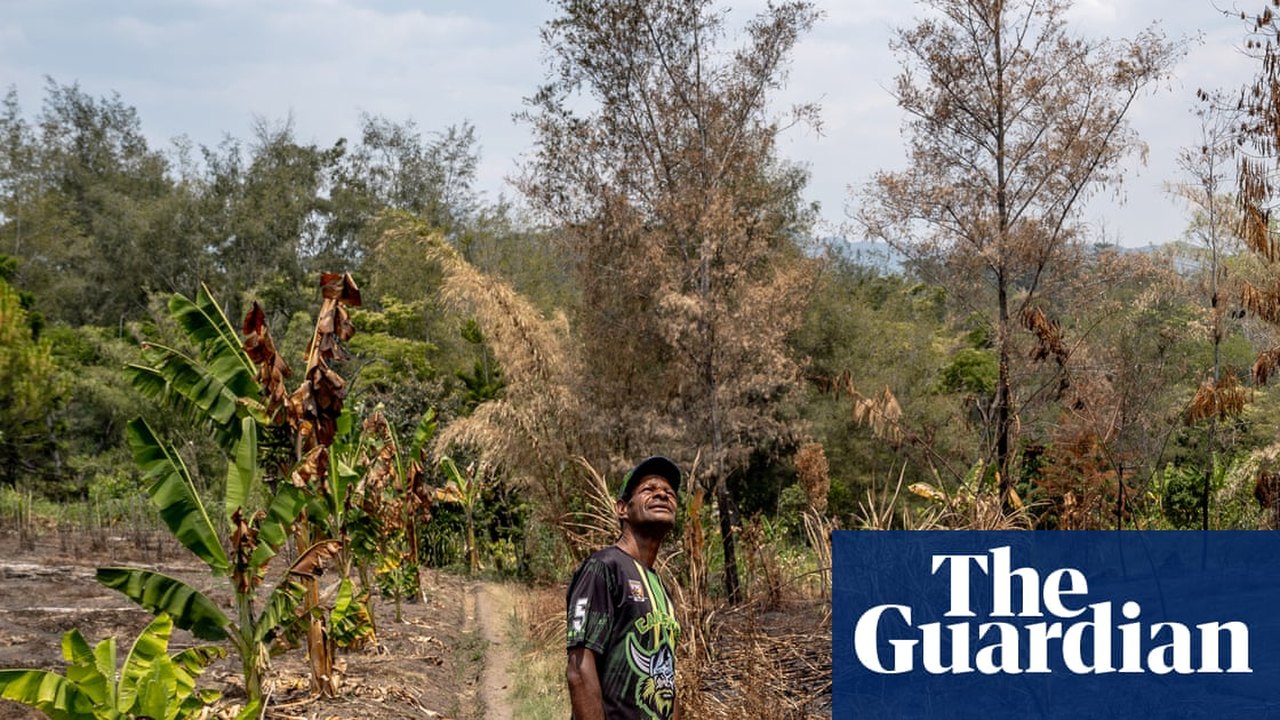 Severe El Niño Drought Triggers National Crisis Warnings Across Papua New Guinea
 Gyeonggi Credit Guarantee Foundation Honored at 2026 Korea Energy Awards for Climate Crisis Response
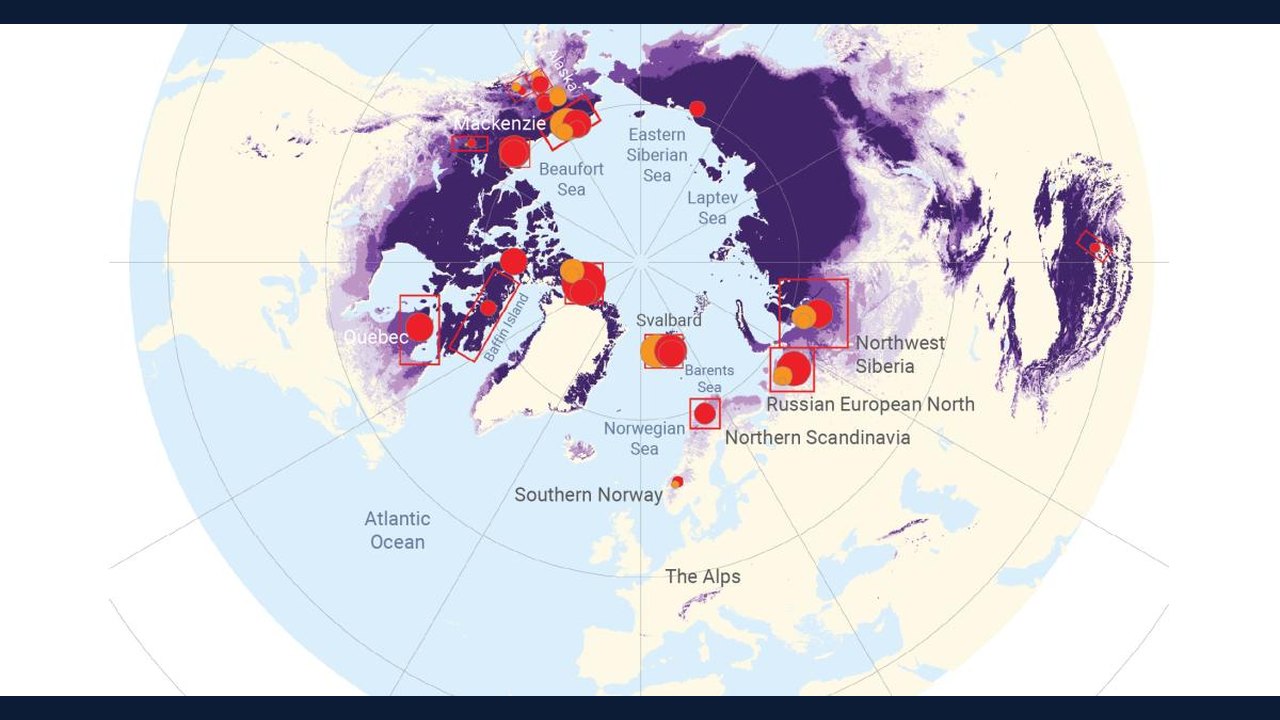 Understanding the Climate Crisis Through Data
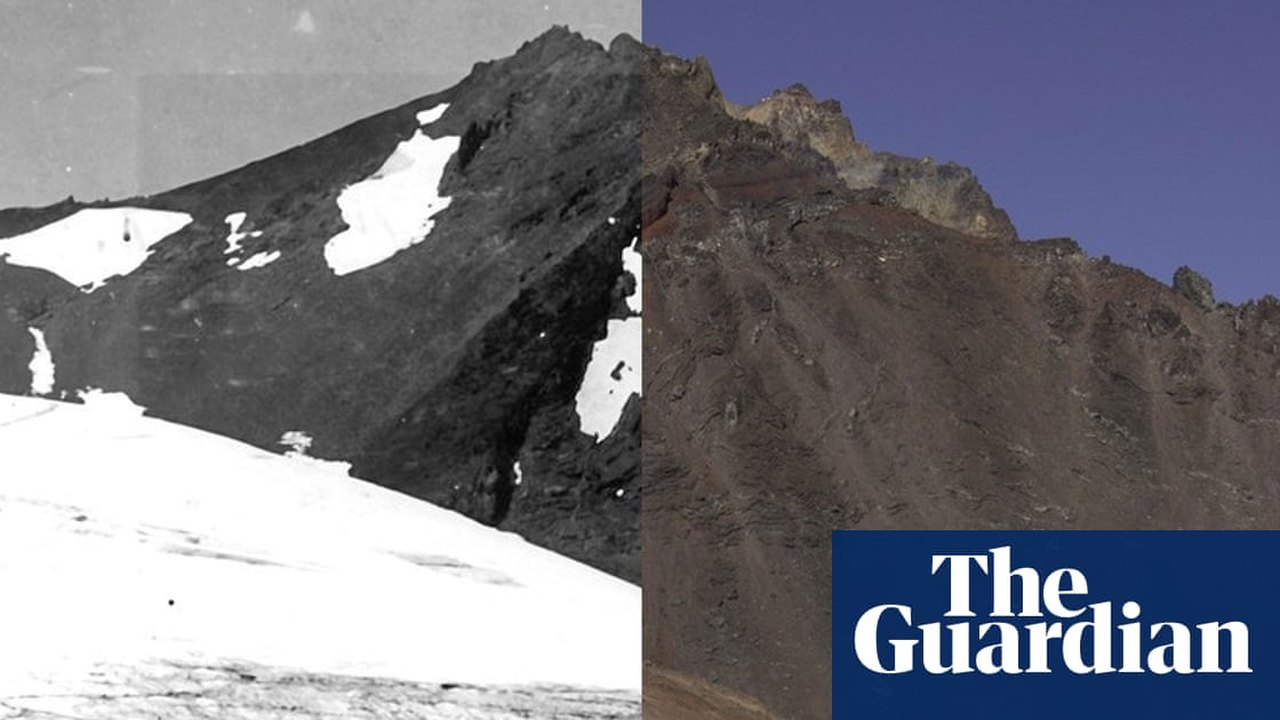 US West Has Lost Nearly 300 Glaciers Since the 1960s Due to Climate Crisis, Study Finds