Understanding the Climate Crisis Through Data
· GlobeWire Daily Climate Desk · Source: www.unep.org
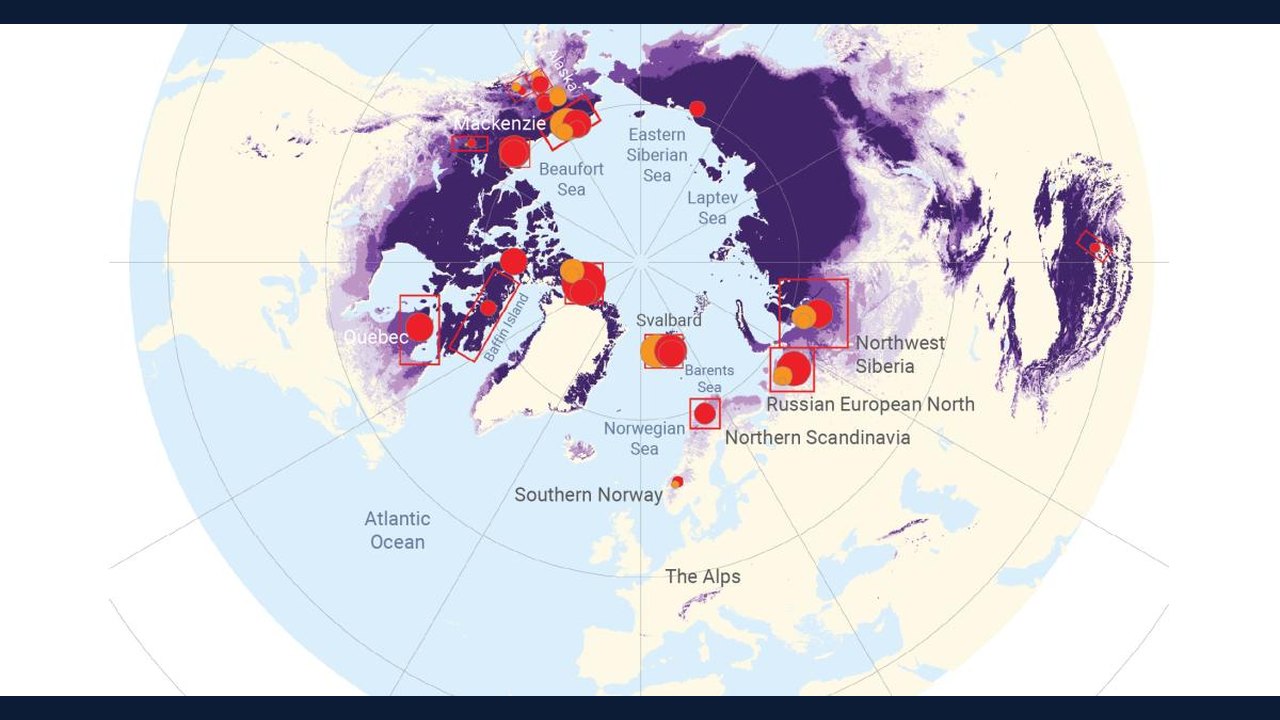
Image: UNEP - UN Environment Programme · Photo source · Resized and letterboxed to 16:9; no AI generation
The United Nations Environment Programme (UNEP) has released new data highlighting the accelerating pace of the climate crisis, driven by greenhouse gas emissions and rising global temperatures. Recent reports indicate that while some nations are beginning to reduce emissions, global efforts must intensify to mitigate severe long-term impacts.
Current Status of Climate Trends
Data from UNEP reports, including the 2025 Emissions Gap Report, outlines several critical trends:
- Record Emissions: Global greenhouse gas emissions reached a record high of nearly 58 billion tonnes in 2024, continuing a long-term upward trend despite international agreements.
- Rising Temperatures: Average global surface temperatures in 2024 were 1.5°C higher than pre-industrial levels, with the most significant warming occurring over the last twenty years.
- Feedback Loops: The thawing of Arctic permafrost is releasing stored carbon and methane, which experts suggest may create a self-reinforcing feedback loop that accelerates global warming.
Future Scenarios and Risks
The ultimate trajectory of global temperature rise remains dependent on international policy adherence. Projections suggest:
- Current Trajectory: If current patterns continue, warming could reach between 2.5°C and 4.6°C by the end of this century.
- Pledge Fulfillment: If all current climate pledges are met, warming is projected to be between 2.1°C and 2.9°C.
Environmental Tipping Points
UNEP highlights that crossing certain warming thresholds risks irreversible damage to critical ecosystems. For instance, a 2°C rise poses an existential threat to warm-water corals, while 3°C could trigger the collapse of ice sheets, leading to significant sea-level rise. Furthermore, reaching 4°C could result in the conversion of the Amazon rainforest into a savannah.
Economic models also suggest that these climatic shifts could reduce global GDP by up to 22 per cent by 2100. While nations like Australia, China, Japan, and members of the European Union are seeing a decline or a projected reduction in emissions, experts emphasize the urgent need for a faster transition away from fossil fuels.
*Note: These insights are based on findings from the Adaptation Gap Report 2025, the Emissions Gap Report 2025, and the Seventh Edition of the Global Environment Outlook. For more detailed data and to verify these findings, readers are encouraged to consult the full UNEP publications.*
AI-assisted reporting; source claims are attributed and have not been independently verified.
More to read
 Gyeonggi Credit Guarantee Foundation Honored at 2026 Korea Energy Awards for Climate Crisis Response
 Understanding Climate Change: Causes, Impacts, and Global Action
 Climate Crisis Leaves Papua New Guinea’s Ahus Island in Existential Peril
 US West Has Lost Nearly 300 Glaciers Since the 1960s Due to Climate Crisis, Study Finds