EFRAG Consults on ESRS-40a Standard for Non-EU Companies Amid Investor Concerns
· GlobeWire Daily Climate Desk · Source: pl.linkedin.com
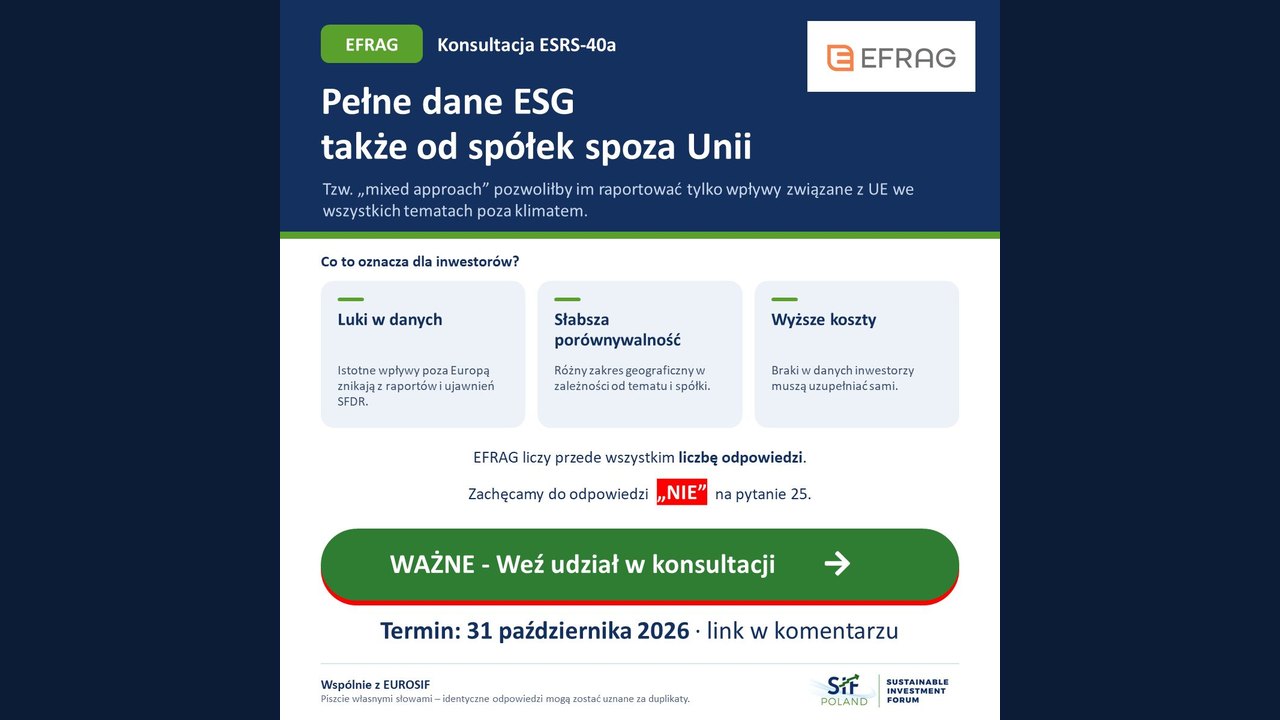
Image: LinkedIn · Photo source · Resized and letterboxed to 16:9; no AI generation
EFRAG Opens Public Consultation on ESRS-40a
The European Financial Reporting Advisory Group (EFRAG) has launched a public consultation regarding the ESRS-40a exposure draft, a proposed reporting standard designed for specific non-European Union undertakings. Organizations such as the Sustainable Investment Forum Poland (POLSIF) and Eurosif have raised specific concerns regarding elements of the proposal, urging stakeholders to review the document and submit feedback.
The "Mixed Approach" Controversy
The primary point of contention in the consultation draft is the proposed "mixed approach." According to reported industry summaries, this mechanism would permit non-EU companies to restrict their sustainability disclosures exclusively to EU-related impacts across all topics, with the sole exception being climate change.
Advocacy groups and market participants have pointed out several practical implications for investors and analysts if this approach is adopted:
- Information Gaps: Material sustainability impacts occurring outside of Europe could potentially be omitted from corporate reports, which may affect the overall quality of investment analysis and Sustainable Finance Disclosure Regulation (SFDR) disclosures.
- Reduced Comparability: The geographical scope of reported data could vary significantly depending on the specific topic and the individual company, complicating cross-firm evaluations.
- Increased Costs: Investors and financial institutions might face higher operational expenses as they attempt to independently source and fill data gaps left by limited disclosures.
Call to Action and Consultation Guidance
POLSIF, in alignment with Eurosif, has encouraged market participants to engage directly with the consultation process. Specifically, stakeholders are prompted to consider answering "No" to Question 25 within the survey and to provide concise, independent reasoning supporting their stance.
Reports indicate that EFRAG primarily evaluates the sheer volume of responses when formulating its formal recommendations for the European Commission. Consequently, organizations stress the importance of originality:
- Use Original Phrasing: Submissions should be written using personal or organizational examples and unique wording.
- Avoid Duplication: Identical or template-based responses risk being categorized as duplicates, potentially diminishing their impact.
Verification and Next Steps
Interested parties are advised to verify the consultation details directly through official channels. The official EFRAG public consultation page provides access to the exposure draft, and reference documents such as Eurosif’s consultation response offer further context on the positions taken by sustainable investment advocates. Stakeholders should ensure all independent submissions comply with published guidelines and deadlines.
AI-assisted reporting; source claims are attributed and have not been independently verified.
More to read
 Environmental Concerns Raised Over Marine Ecosystems and Biodiversity Threats
 UK Grants Jackdaw Gasfield Drilling Amid Climate Concerns, While Rosebank Oilfield Faces Potential Rejection
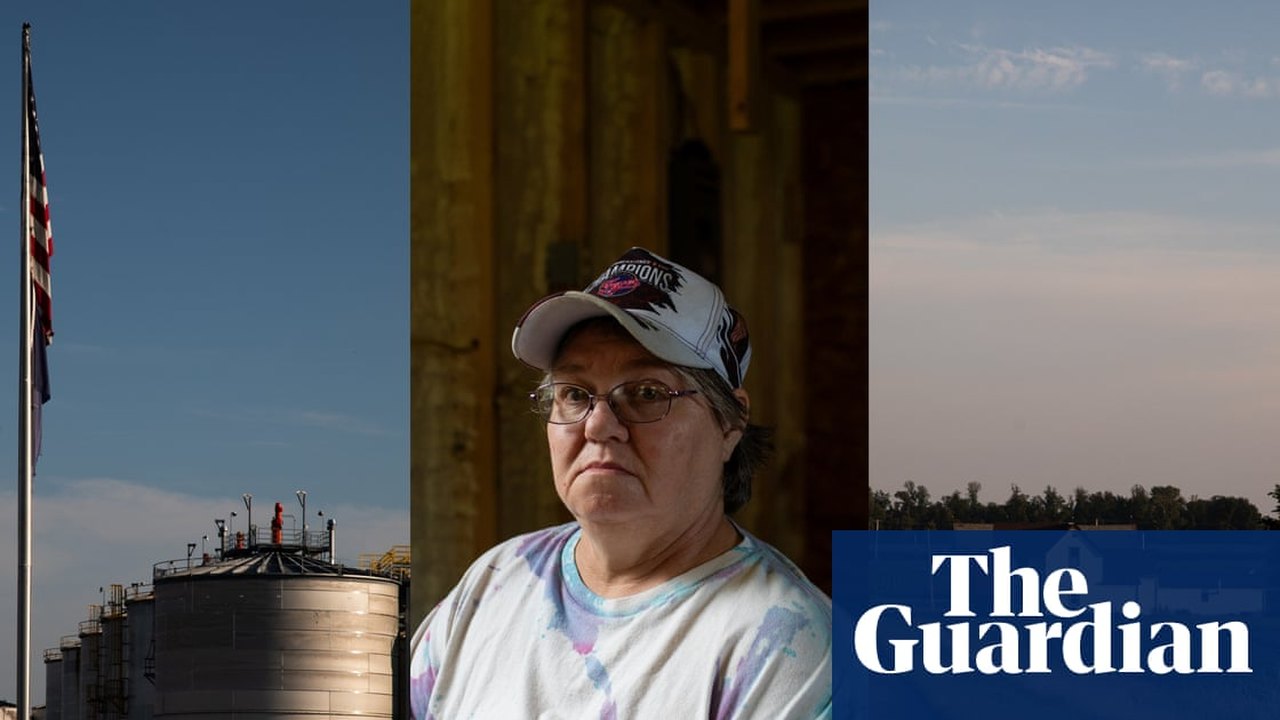 US Carbon Storage 'Gold Rush' Triggers Local Pushback and Environmental Concerns
 Cali Biodiversity Fund Still Empty as Pharma Companies Hold Back Contributions
Related coverage
Related reporting available at publication.
Environmental Concerns Raised Over Marine Ecosystems and Biodiversity ThreatsUK Grants Jackdaw Gasfield Drilling Amid Climate Concerns, While Rosebank Oilfield Faces Potential RejectionUS Carbon Storage 'Gold Rush' Triggers Local Pushback and Environmental ConcernsCali Biodiversity Fund Still Empty as Pharma Companies Hold Back Contributions Berkeley Law Experts Release Climate Roadmap for California's Next Governor
 Why Nature Conservation Matters: Ecosystems, Climate, and Human Well-Being