Why Nature Conservation Matters: Ecosystems, Climate, and Human Well-Being
· GlobeWire Daily Climate Desk · Source: de.linkedin.com

Image: LinkedIn · Photo source · Resized and letterboxed to 16:9; no AI generation
Understanding the Value of Nature Conservation
Nature conservation is fundamentally about preserving ecosystems and biological diversity. According to reported discussions in scientific and environmental literature, even minor environmental shifts can trigger significant ecosystem changes, potentially leading to severe consequences such as species extinction and biodiversity loss.
Key Reasons for Conservation
Reports and references highlighted by environmental advocates outline several core areas where conservation plays a critical role:
- Securing Life Support Systems: Ecosystems support food security, climate regulation, disaster risk reduction, and essential resources. For instance, reports note that a large percentage of domestic and wild plants rely on insect pollination, while forests and peatlands store substantial amounts of carbon dioxide and help buffer extreme weather events like floods and heatwaves. Clean drinking water also depends on functioning ecosystems.
- Protecting Human Health: Disrupted ecosystems can exacerbate the climate crisis, leading to rising temperatures, extreme weather such as storms and floods, and the wider spread of infectious diseases.
- Ethics and Intergenerational Equity: Conservation involves ethical considerations regarding human rights and protecting the living conditions of future generations.
Practical Implications and Verification
For individuals looking to engage in conservation efforts, local organizations—such as the Naturwissenschaftliche Verein für Bielefeld und Umgegend e.V.—serve as regional points of contact. Readers interested in verifying these claims can consult cited references, including assessments from the Intergovernmental Science-Policy Platform on Biodiversity and Ecosystem Services (IPBES), publications by environmental foundations, and decisions by constitutional courts regarding climate protection.
AI-assisted reporting; source claims are attributed and have not been independently verified.
More to read
 Reframing Climate Policy Around Energy Justice and National Well-Being, Analysts Argue
 Michael Douglas Shares Rare Update on Jack Nicholson's Retirement and Well-Being
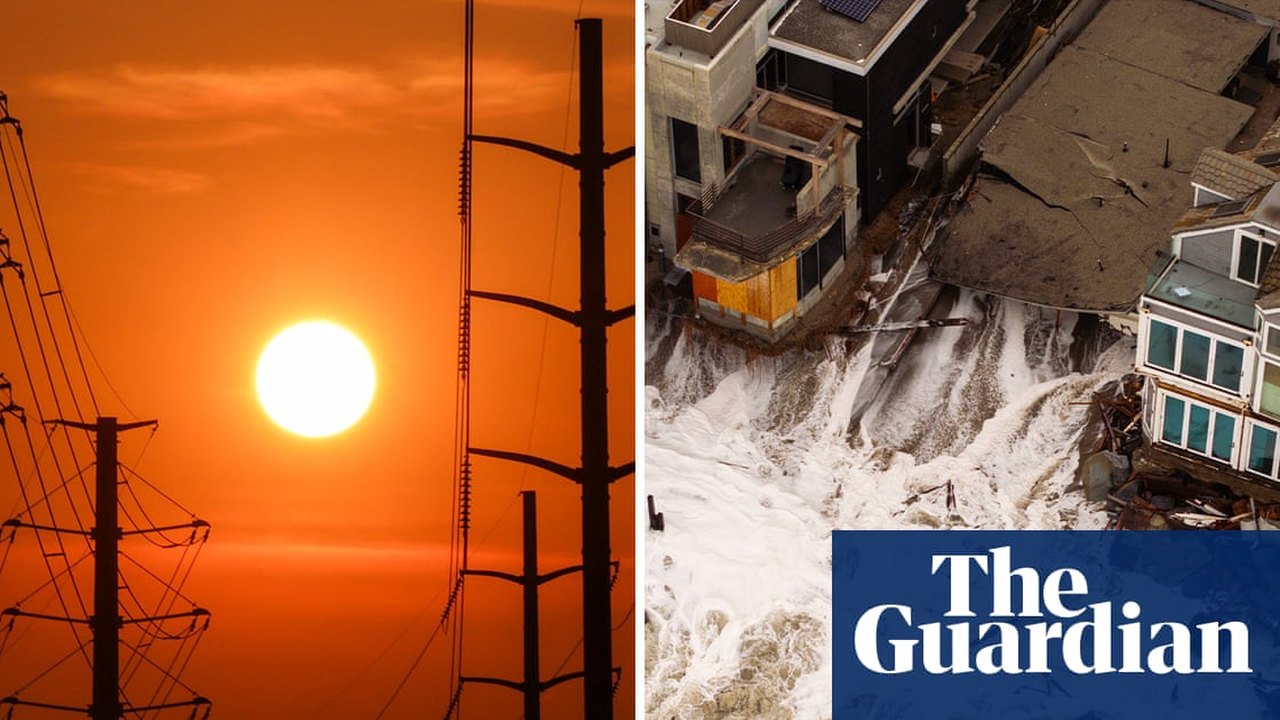 How the US Midterms and Energy Affordability Are Intersecting in the Climate Debate
 Climate-Related Thawing Permafrost Contaminates Drinking Water in Norwegian Arctic Settlement
Related coverage
Related reporting available at publication.
Reframing Climate Policy Around Energy Justice and National Well-Being, Analysts ArgueMichael Douglas Shares Rare Update on Jack Nicholson's Retirement and Well-BeingHow the US Midterms and Energy Affordability Are Intersecting in the Climate DebateClimate-Related Thawing Permafrost Contaminates Drinking Water in Norwegian Arctic Settlement How the War in Iran is Intensifying the US Energy Affordability Crisis Ahead of Winter
 Unison Leader Argues Public Sector Workers Are Left as 'Afterthought' Compared to North Sea Oil Focus