Industrial Boom in Monterrey Triggers Severe Air Pollution Crisis, Investigation Finds
· GlobeWire Daily Climate Desk · Source: www.theguardian.com
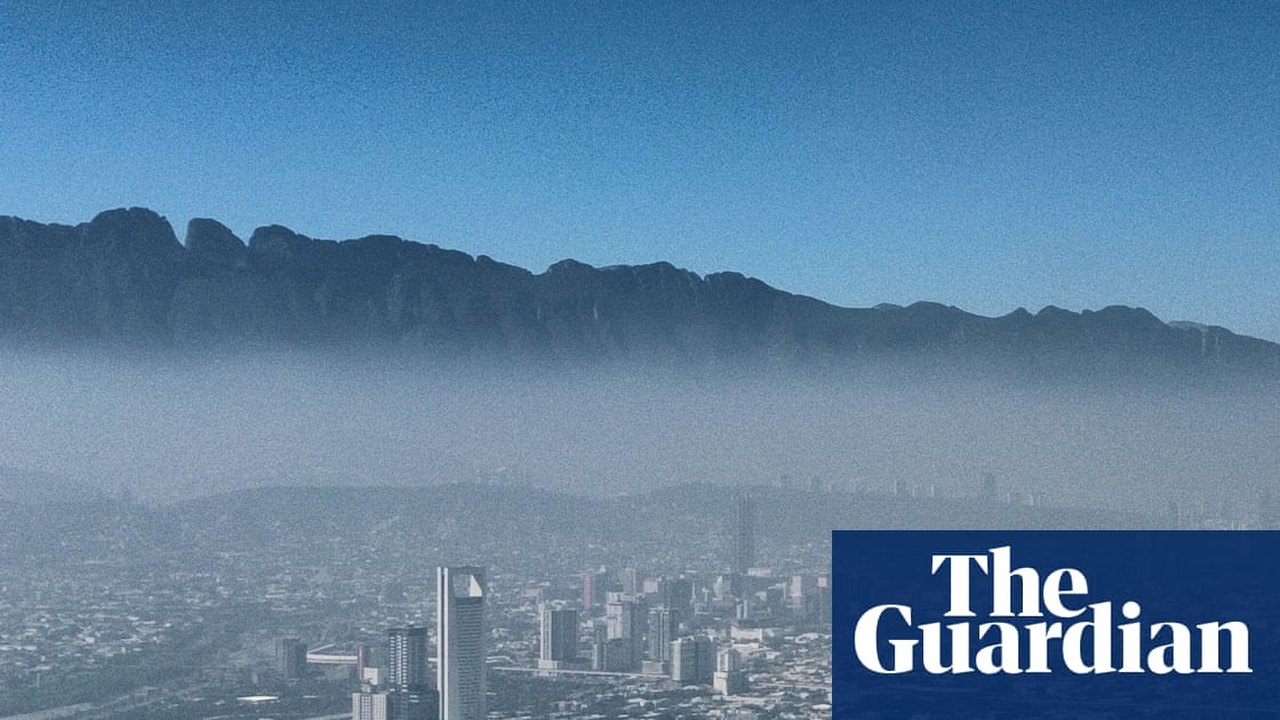
Image: www.theguardian.com — Creative Commons
Industrial Growth and Air Quality Concerns in Monterrey
A manufacturing boom in Monterrey, Mexico, has driven a severe air pollution crisis, according to a collaborative investigation by the Guardian and Quinto Elemento Lab. The metro area of 5.3 million people, located 150 miles south of the Texas border, houses numerous industrial facilities—including factories operated by companies from the US, Europe, Asia, and Mexico—that export largely to the United States.
Data and emissions reports analyzed in the investigation indicate that these facilities pump toxic heavy metals into the local air at levels surpassing the totals reported in many US states. Additionally, the region's carbon dioxide emissions match those of nearly half the nations in the world.
Studies cited in the research rank Monterrey as having the worst fine-particulate air pollution among major metropolitan areas in Mexico, the US, or Canada based on trends up to 2019. Residents frequently experience fine particulate levels roughly twice those of Los Angeles, contributing to thousands of long-term exposure-related health issues and deaths annually.
Sources of Emissions and US Manufacturing Ties
About 60% of Monterrey's pollution originates from industrial emitters, including privately owned factories and public energy plants. Many of these facilities manufacture goods bound for the US market—such as tractors, beer mugs, and chocolate cookies—or process toxic waste and scrap metal shipped from the US, including millions of old car batteries and hazardous steel dust.
Among the top emitters highlighted in the self-reported government data are:
- Lead: Facilities such as steel plants and battery recyclers, including Luxembourg-based Ternium and US-based Clarios, reported significant lead releases. Ternium stated that its treatment system captures 99% of emissions and that its upcoming reports will reflect substantial decreases, while Clarios maintained that it operates in full compliance with Mexican regulations.
- Cadmium and Arsenic: Facilities emitting carcinogenic cadmium and arsenic include zinc plants, power plants, and the state-run Cadereyta oil refinery operated by Pemex. Companies like Zinc Nacional disputed the accuracy of estimated emissions data, arguing that actual outputs are lower when considering pollution-control technologies.
State-owned Pemex has also faced scrutiny over the Cadereyta refinery, which energy experts note has operated with degraded or inactive sulfur-capturing equipment due to reduced maintenance investments over the last decade.
Community Impact and Official Response
Local residents, activists, and nursery school operators have organized protests demanding government action, carrying signs that read “We want to breathe” and “Mexico is not the trash dump for the United States.” Medical teams have begun blood-lead testing for young children in nearby nursery schools following earlier reports of contamination.
Top Mexican officials have acknowledged the crisis. Alicia Bárcena, Mexico’s secretary of environment and natural resources, stated that actions are underway to update emissions standards and improve industrial monitoring. Federal environmental protection attorney Mariana Boy Tamborrell announced plans to step up inspections to ensure compliance, while Nuevo León Governor Samuel García criticized decades-old environmental standards as overly permissive.
Practical Implications and Verification
Readers seeking to verify the original findings can consult the published investigative report via [The Guardian](https://www.theguardian.com/us-news/2025/dec/02/monterrey-mexico-air-quality-industrial-pollution).
Confirmed Facts:
- Monterrey has experienced significant industrial expansion since the 1990s, serving as a major manufacturing and recycling hub connected to North American supply chains.
- Self-reported emissions data submitted to the Mexican government records the release of heavy metals and carbon dioxide in the metropolitan area.
- State and federal officials, along with industry representatives, have confirmed that air quality challenges exist, prompting recent regulatory scrutiny and temporary plant closures.
What Remains Unknown:
- The precise long-term health attribution for individual residents exposed to the emissions versus other environmental factors.
- The exact timing and efficacy of proposed governmental enforcement actions and facility relocations.
How to Check the Announcement:
- Review official statements from Mexico’s Secretariat of Environment and Natural Resources (Semarnat) and the Federal Attorney for Protection of the Environment (Profepa) regarding industrial compliance and emissions updates.
AI-assisted reporting; source claims are attributed and have not been independently verified.
More to read
 How Jet Lag Throws Foraging Seabirds Off Course, Oxford Study Reveals
 US Climate Forecasting Capacity Hampered as Agency Faces Historic El Niño
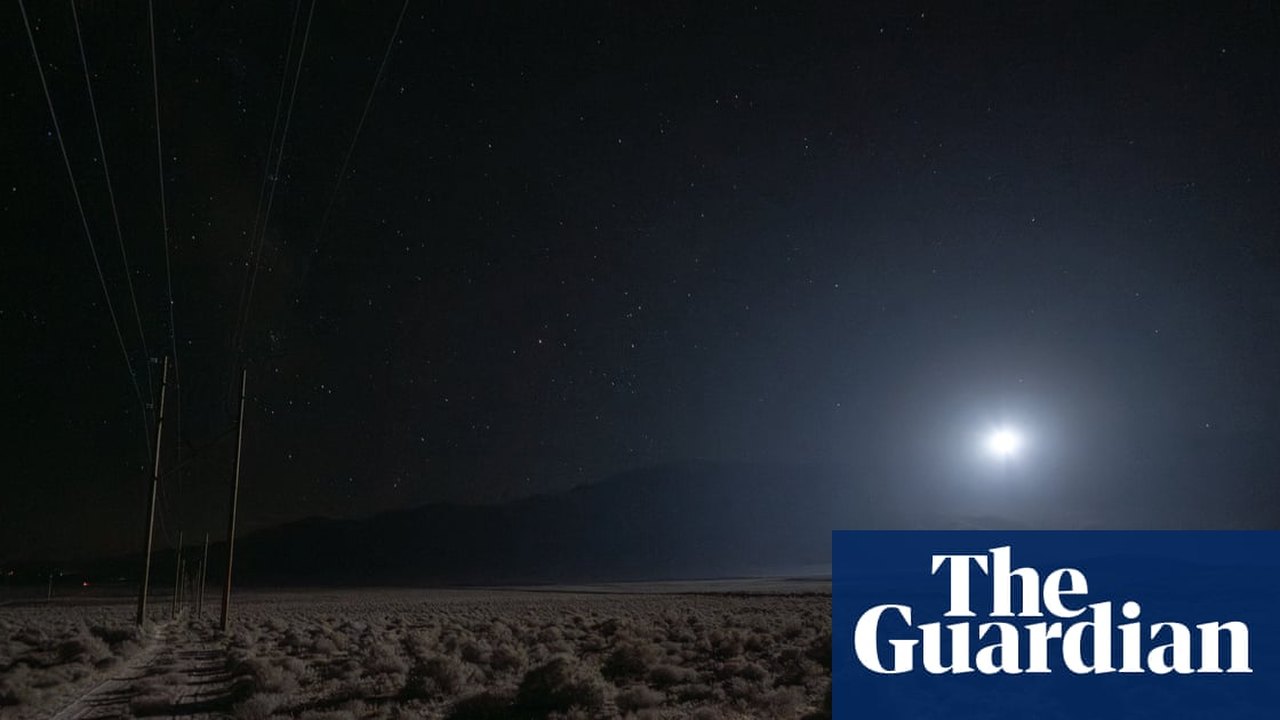 US Startup's Night-Time Space Mirror Demonstration Sparks Criticism from Scientists and Environmentalists
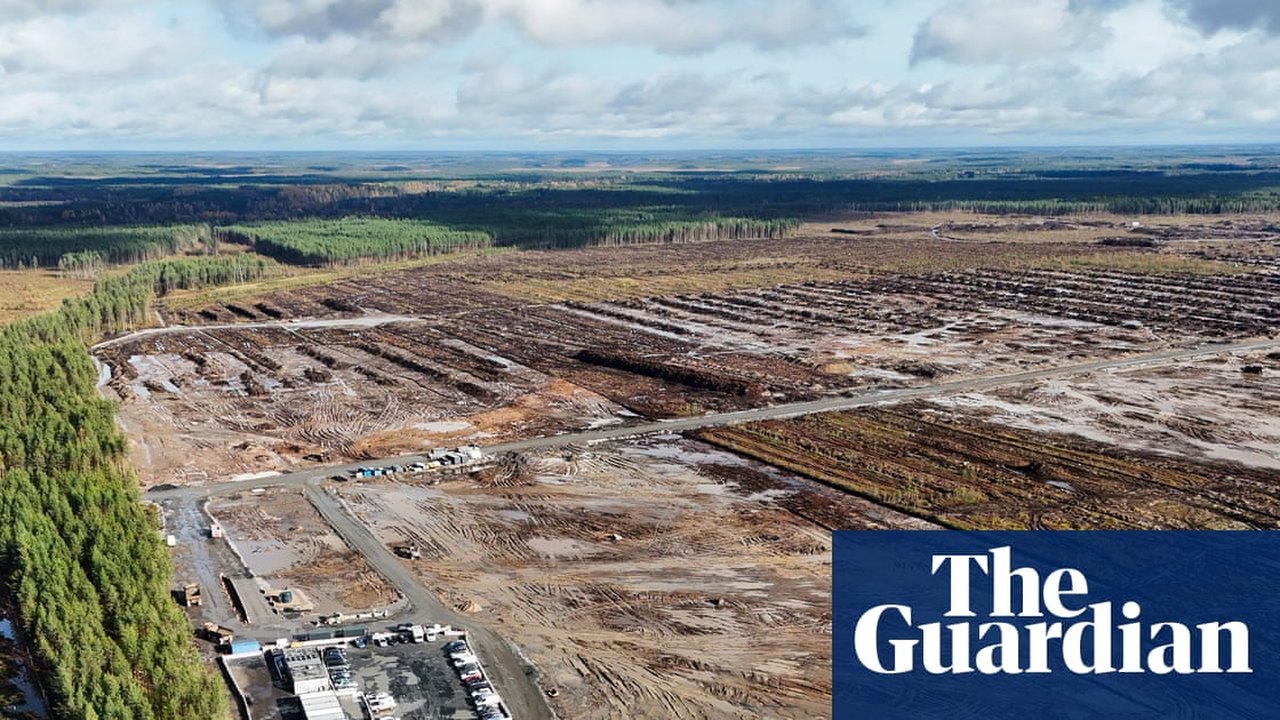 Finnish Police Launch Criminal Investigation Into Google Over Forest Clearing for Datacentre
Trending on GlobeWire Daily
Selected from recent coverage and related topics; not live search rankings.
 Credit Saison India Recruits Relationship Manager for Secured Direct Operations in South India
 Rajasthan declares 80 tehsils across 14 districts as severely or moderately drought‑affected amid monsoon shortfall
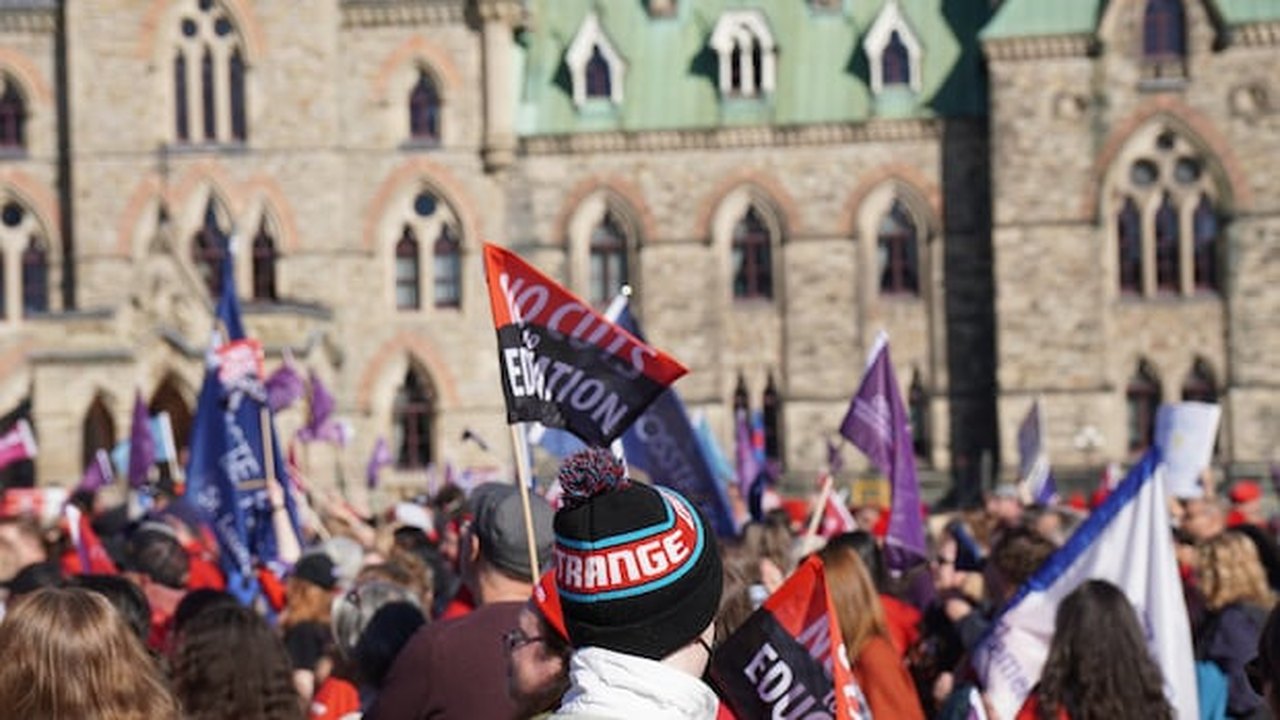 Ontario Teachers and Education Workers Rally Across Province Amid Contract Stalls and Upcoming Strike Votes
 Attrition Outpaces Hiring by 24,000 as India's Top Six IT Firms Face Workforce Shift
 Open-Source Project 'Bygga' Generates 3D Animated IKEA Assembly Guides with Voice Control
 WeMakeScholars Recruits Education Finance Officers Across Multiple Indian Regions